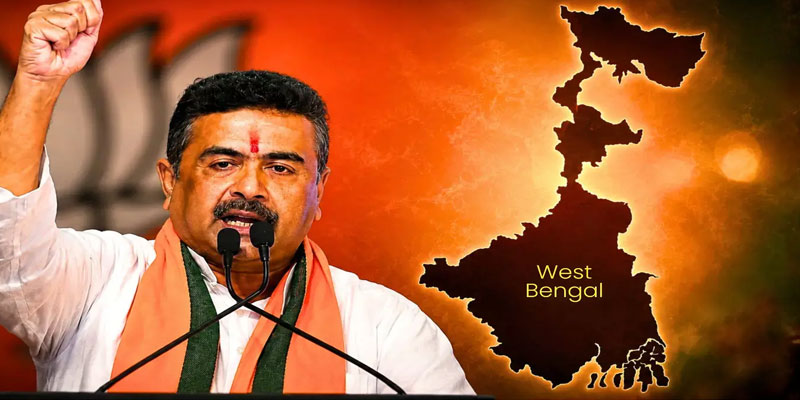
West Bengal Police have frozen 12 additional bank accounts allegedly linked to the Trinamool Congress (TMC), taking the total amount under restriction to nearly ₹1,000 crore as part of an ongoing investigation into the source and movement of party funds. The latest action marks a significant escalation in a case that has already drawn intense political attention, with both state and central agencies examining financial transactions linked to the ruling party. While investigators maintain that the freezes are part of a lawful probe into alleged financial irregularities, the TMC has described the action as politically motivated and aimed at disrupting its organisational functioning.
How the Investigation Expanded
The controversy began in June when West Bengal Police froze debit operations in three TMC bank accounts reportedly holding around ₹440 crore. The action followed complaints filed by rebel legislators questioning the origin and handling of party funds. Acting on these complaints, the state police initiated a cybercrime investigation to examine whether the financial transactions involved any irregularities warranting further scrutiny.
The matter soon acquired a wider dimension after the Enforcement Directorate (ED) initiated its own money-laundering investigation involving separate TMC-linked accounts. The parallel inquiries by state and central agencies transformed the issue into a complex legal and financial dispute, with investigators examining whether funds had been routed through questionable corporate channels or violated existing financial regulations.
The recent freezing of 12 additional accounts indicates that the investigation continues to broaden in scope rather than move towards closure.
Why the Case Holds Political Significance
The freezing of bank accounts has consequences that extend beyond financial compliance. Political parties rely heavily on accessible funds to manage routine organisational activities, including staff salaries, office administration, public outreach, campaign preparation and election-related expenditure.
Restricting access to financial resources can therefore directly affect a party's operational efficiency and organisational stability. In politically competitive states such as West Bengal, where elections are often fiercely contested, financial capability plays an important role in sustaining political mobilisation and maintaining internal cohesion.
The TMC has consistently argued that the freezes represent selective targeting designed to create political pressure, while investigating agencies maintain that they are acting strictly on the basis of complaints and evidence requiring legal examination.
Impact on Politics and Governance
The case also reflects a broader national trend in which political funding is increasingly subject to scrutiny through cybercrime investigations, financial intelligence mechanisms, taxation authorities and anti-money laundering agencies.
Such investigations inevitably generate both legal and political consequences. Even before any final judicial determination, restrictions on bank operations can create administrative difficulties, influence public perception and intensify political confrontations.
Meanwhile, the legal process remains active. Reports indicate that the Calcutta High Court has allowed the TMC to operate certain accounts for essential day-to-day expenses while the matter continues to be heard. This judicial intervention demonstrates that the courts will likely play a decisive role in balancing investigative powers with the practical functioning of political organisations.
Law, Politics and Accountability Intersect
The widening investigation into TMC-linked bank accounts has evolved into one of West Bengal's most closely watched political and legal controversies. While investigators seek to establish the legitimacy of financial transactions, the ruling party continues to challenge the actions as politically motivated. Ultimately, the outcome will depend on judicial scrutiny, the strength of the evidence presented and adherence to due legal process. Beyond its immediate political implications, the case highlights the growing importance of transparency, financial accountability and institutional oversight in India's evolving electoral landscape.
(With agency inputs)