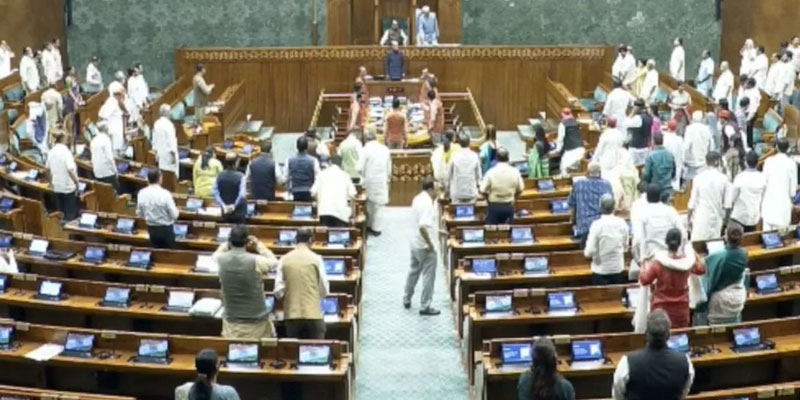
Exam Reforms Bill Passed in Lok Sabha by Voice Vote
In a significant move to strengthen the integrity of public examinations, the Lok Sabha on Tuesday passed the Public Examinations (Prevention of Unfair Means) Amendment Bill, 2026 by voice vote amid heated exchanges between Leader of Opposition Rahul Gandhi and Parliamentary Affairs Minister Kiren Rijiju. The legislation seeks to impose much stricter punishments for paper leaks, cheating and organised examination fraud following nationwide outrage over alleged irregularities in NEET and other competitive examinations.
The Bill now moves to the Rajya Sabha for consideration and is being projected by the government as a major step towards restoring public confidence in India's examination system.
From Exam Protests to Legislative Action
The amendment comes in the wake of months of student protests over alleged paper leaks and examination irregularities, particularly in NEET and recruitment examinations. The issue gained political significance following large-scale demonstrations, demands for greater accountability and the resignation of former Union Education Minister Dharmendra Pradhan.
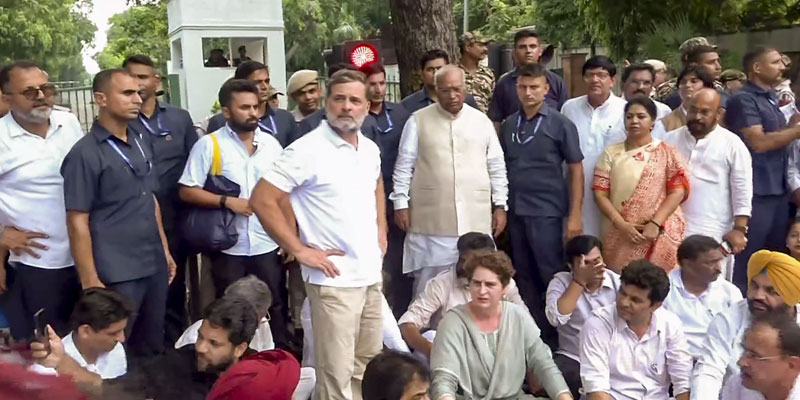
During the Lok Sabha debate, Rahul Gandhi criticised the government's handling of student protests, while Kiren Rijiju accused the Opposition of politicising the issue instead of supporting stronger anti-cheating legislation.
Key Provisions of the Amendment Bill
The proposed law significantly enhances punishments for individuals and organised examination fraud. The Bill proposes:
· Minimum jail term increased from 3 years to 5 years for individuals involved in paper leaks or unfair means.
· Maximum imprisonment raised to 10 years.
· Fine increased from up to ₹10 lakh to ₹50 lakh for individual offenders.
· Organised crime cases to attract a minimum 5-year imprisonment, with punishment extending up to 10 years.
· Fine for organised rackets increased up to ₹10 crore.
· Special Task Forces to investigate examination fraud cases within a fixed timeline.
· Fast-track courts to ensure speedy trials and quicker delivery of justice.
The government says these measures are aimed at dismantling organised paper leak syndicates while ensuring swift punishment for offenders.
Opposition members supported strict action against paper leaks but argued that stronger penalties alone cannot address deeper issues such as examination management, institutional accountability and police action during student protests.
With its passage in the Lok Sabha, the legislation now awaits approval in the Rajya Sabha before becoming law.
What the Bill Could Mean
The legislation marks a significant shift in India's approach towards examination fraud:
· Stronger deterrence: Higher jail terms and steeper financial penalties aim to discourage organised paper leak networks.
· Faster justice: Special Task Forces and fast-track courts seek to reduce delays in investigation and prosecution.
· Greater accountability: The law treats examination fraud as a serious organised crime rather than merely an administrative lapse.
· Restoring student confidence: The reforms aim to reassure candidates that competitive examinations will become fairer and more transparent.
· Implementation remains crucial: The effectiveness of the law will depend on impartial investigations and timely convictions.
A Tough Law, but Implementation Will Decide Success
The passage of the Exam Reforms Bill represents one of the strongest legislative responses yet to India's recurring paper leak crisis. By substantially increasing punishments and introducing dedicated investigative and judicial mechanisms, the government has signalled that examination fraud will no longer be treated as a routine administrative failure but as a serious criminal offence.
However, the legislation's success will ultimately depend not on the severity of the penalties alone, but on consistent enforcement, transparent investigations and institutional reforms that prevent leaks before they occur. Restoring students' trust in India's examination system will require not only stronger laws but also greater accountability, efficient administration and a commitment to ensuring that merit remains the sole determinant of success.
(With agency inputs)