Sanae Takaichi’s Landmark Victory in Japan Elections
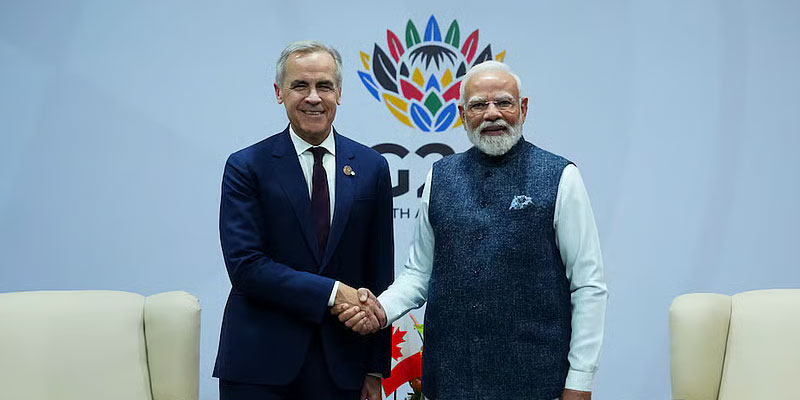
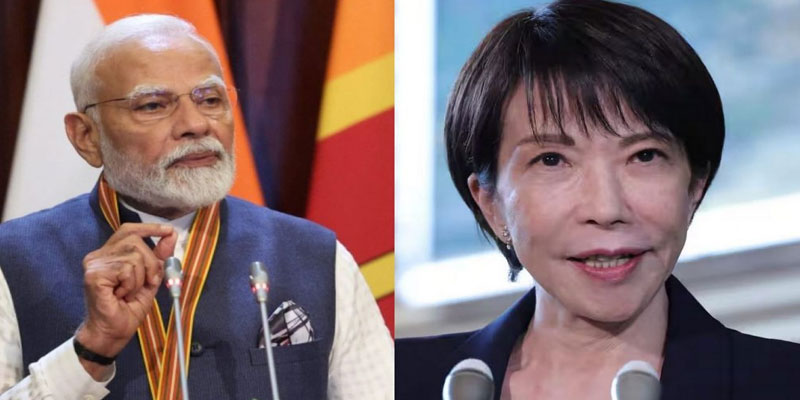
Sanae Takaichi’s decisive win in Japan’s general election has reshaped the country’s political landscape and signalled continuity in its strategic outlook. Leading the Liberal Democratic Party (LDP) coalition to a commanding majority, she secured a strong mandate to advance constitutional, security, and economic reforms. Global leaders, including India’s Prime Minister Narendra Modi, swiftly congratulated her, emphasising that the electoral outcome could strengthen the already robust India–Japan strategic partnership.
A New Phase in Tokyo’s Leadership
Takaichi’s rise to Japan’s top office marks a notable moment in Japanese politics. Known for her conservative views and emphasis on national security, she has positioned herself as a leader willing to expand Japan’s defence capabilities and deepen alliances in the Indo-Pacific. Her government inherits a complex regional environment shaped by China’s growing military assertiveness, North Korea’s missile activity, and evolving supply-chain vulnerabilities. Against this backdrop, India and Japan—already bound by a “Special Strategic and Global Partnership”—are expected to expand cooperation in defence, technology, and maritime security.
Strengthening Defence Convergence with India
Takaichi’s leadership has already influenced the trajectory of India–Japan defence ties. Both countries share concerns over maritime security and the balance of power in the Indo-Pacific. Under her administration, defence collaboration has accelerated through joint exercises, technology exchanges, and discussions on co-production of military platforms. Initiatives such as expanded naval drills and potential joint development of defence equipment illustrate a shift from symbolic cooperation to more operational coordination.
Her government’s emphasis on increasing Japan’s defence spending—targeting levels closer to 2 percent of GDP—creates opportunities for deeper industrial partnerships with India. Discussions around joint manufacturing, maritime surveillance systems, and supply-chain resilience reflect a shared interest in reducing dependence on single-country sources and building regional security networks.
Key Policies Shaping Strategic Alignment
Takaichi’s policy framework is defined by a stronger security posture and economic resilience. She has advocated revisiting constitutional constraints on Japan’s military role, promoting closer ties with partners in the Quad grouping, and investing in advanced defence technologies. Her approach also highlights economic security, including semiconductor collaboration and critical technology partnerships, areas where India is keen to cooperate.
In the maritime domain, both nations have intensified coordination to ensure freedom of navigation and secure sea lanes. Regular high-level dialogues and defence ministerial meetings have reinforced trust and interoperability. The shared vision of a “free and open Indo-Pacific” underpins these initiatives, aligning Tokyo’s and New Delhi’s strategic priorities.
Broader Implications for Bilateral Relations
Takaichi’s electoral mandate strengthens Japan’s capacity to pursue long-term defence planning and regional partnerships. For India, her leadership offers continuity and possibly greater urgency in implementing joint projects. However, challenges remain, including balancing economic ties with China, managing domestic fiscal pressures in Japan, and navigating regional diplomatic sensitivities.
Toward a Deeper Strategic Partnership
Sanae Takaichi’s election victory has provided fresh momentum to India–Japan relations, particularly in defence and security cooperation. With both countries seeking stability in a rapidly changing Indo-Pacific, her leadership is likely to deepen military collaboration, technological partnerships, and strategic coordination. While policy execution will determine the extent of progress, the political will on both sides suggests that the partnership could enter a more operational and forward-looking phase in the years ahead.
(With agency inputs)