After a Week of War, Trump Demands Iran’s ‘Unconditional Surrender’
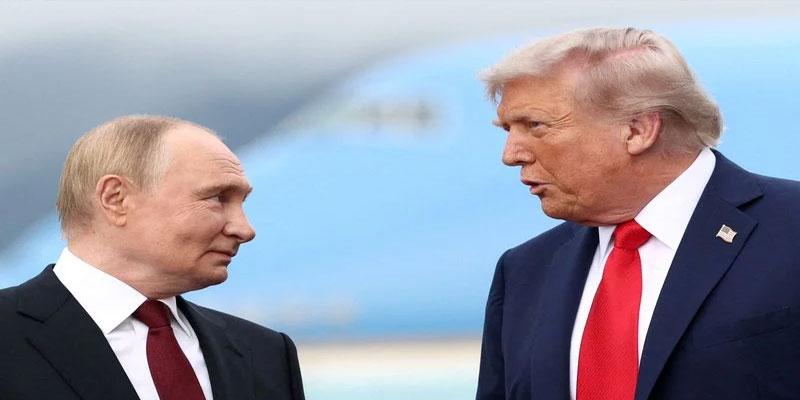
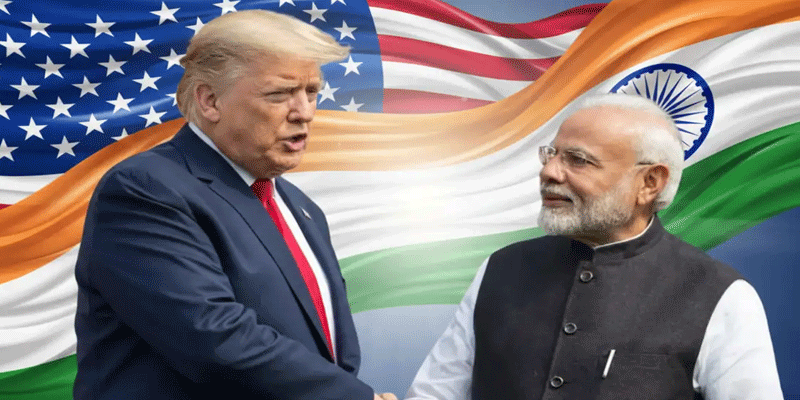
One week into the escalating US-Israel war against Iran, US President Donald Trump dramatically raised the stakes by demanding Tehran’s “unconditional surrender.” Posting on Truth Social on March 6, 2026, Trump declared that negotiations were impossible unless Iran fully capitulated.
The statement marked a sharp escalation in rhetoric and strategy. What began as a campaign targeting Iran’s nuclear facilities has increasingly shifted toward dismantling the country’s leadership and military command structure. With both sides already trading missile strikes and drone attacks, Trump’s demand has complicated any immediate prospects for ceasefire diplomacy.
Trump’s Escalatory Strategy
Trump’s message outlined a sweeping vision: Iran must surrender entirely before any reconstruction effort begins. He suggested that a US-approved leadership structure would oversee rebuilding Iran’s economy under a plan he described as “Make Iran Great Again.”
This shift from limited military objectives to regime decapitation reflects growing US commitment to the conflict. The war has already produced significant casualties and retaliation. Six American troops were killed in Iranian attacks targeting US positions and tankers near Gulf bases.
Iran’s foreign minister Abbas Araghchi responded sharply, rejecting negotiations under such terms and challenging Washington to attempt a ground invasion if it seeks total victory. The exchange highlights how the war is moving further away from diplomatic compromise.
Israel Expands Operations Across the Region
Meanwhile, Israel has intensified both ground preparations and air operations. In a major escalation, Israeli authorities ordered a mass evacuation of Beirut’s southern suburbs—an area considered a stronghold of Hezbollah.
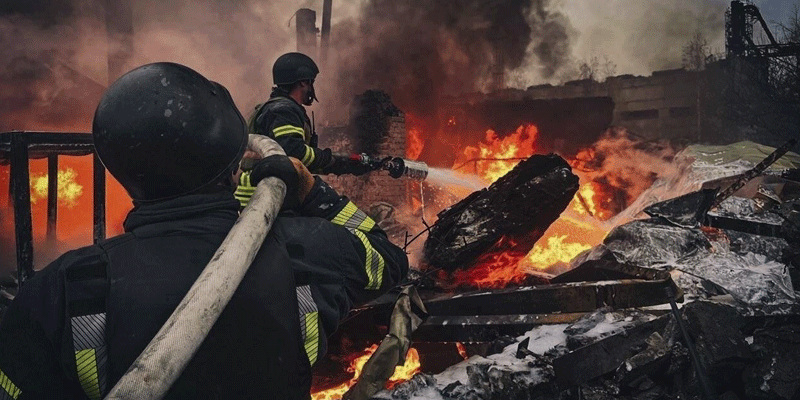
The evacuation preceded heavy bombardment of the Lebanese capital, creating widespread panic and traffic gridlock as civilians attempted to flee. At the same time, Israeli warplanes reportedly struck a leadership bunker beneath the ruins of Tehran’s presidential compound once associated with Iran’s late Supreme Leader.
The strikes were reportedly guided by intelligence gathered through covert networks, aiming to cripple Iran’s remaining command infrastructure. Together, these operations suggest the conflict is expanding beyond Iran into a broader regional battlefield.
How Financial Markets Reacted
Financial markets reacted instantly to Trump’s surrender demand, reflecting fears that the war could become prolonged and destabilizing for the global economy.
European markets plunged while trading was underway. Major indices such as the FTSE and Germany’s DAX dropped between 2 and 3 percent, while energy stocks swung sharply amid uncertainty over oil supply.
When Wall Street opened, the sell-off intensified. The Dow Jones Industrial Average initially fell more than 900 points before stabilizing slightly, while the S&P 500 and Nasdaq each declined about 1.6 percent.
Oil markets surged in response to potential supply disruptions. Brent crude jumped above $90 per barrel, with US benchmark WTI moving past $88. Traders are increasingly pricing in the risk that the Strait of Hormuz—a vital artery for global oil shipments—could face disruptions.
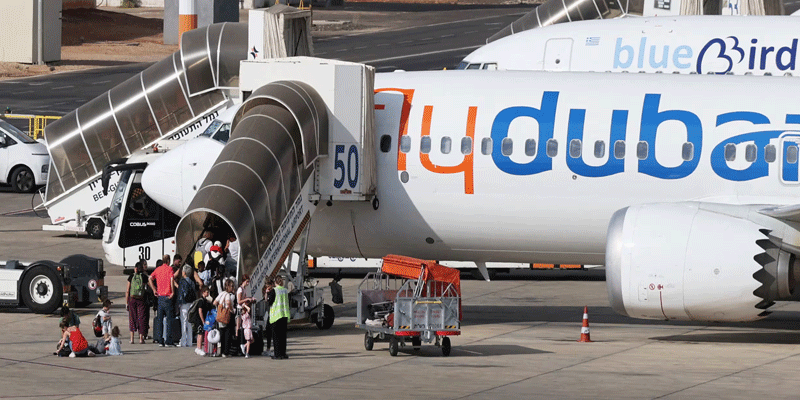
Rising oil prices also amplified inflation concerns, dragging down fuel-sensitive sectors such as airlines, retailers, and industrial manufacturers. At the same time, the US dollar strengthened and bond yields shifted amid expectations of tighter monetary policy.
Iran Signals Possible Mediation
Despite the heated rhetoric, Iran’s leadership has hinted at the possibility of mediation. President Masoud Pezeshkian acknowledged that several countries may be attempting to facilitate talks.
Potential intermediaries include Oman, Qatar, and Turkey, all of which have previously served as diplomatic bridges in regional disputes. Tehran, however, has insisted that any dialogue must respect Iranian sovereignty and cannot involve surrender conditions.
A War Moving Toward Global Stakes
Trump’s call for Iran’s unconditional surrender has transformed the tone and trajectory of the war. What began as targeted military operations now appears to be evolving into a broader geopolitical confrontation with significant regional and global consequences.
Markets are already reacting to the heightened risk, particularly through volatile oil prices and investor uncertainty. At the same time, Israel’s expanding strikes and Iran’s continued retaliation increase the chances of a multi-front conflict involving Lebanon and other regional actors.
Whether diplomatic mediation can still emerge remains uncertain. If negotiations fail and escalation continues, the war could reshape Middle Eastern geopolitics, disrupt global energy markets, and deepen economic instability far beyond the battlefield.
(With agency inputs)