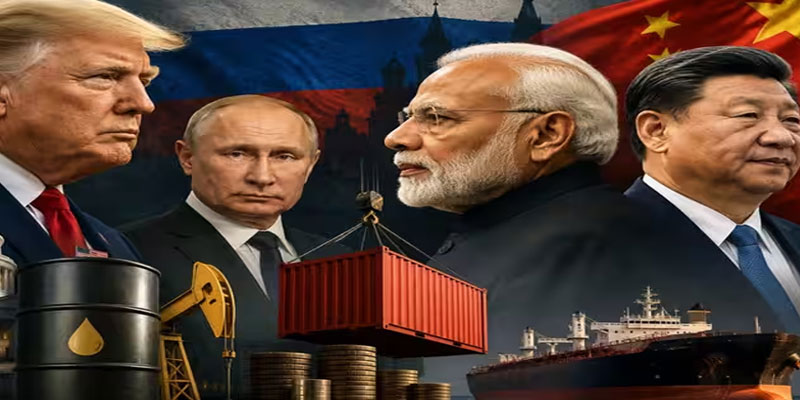
Senate Vote Raises Fresh Trade Risks for India
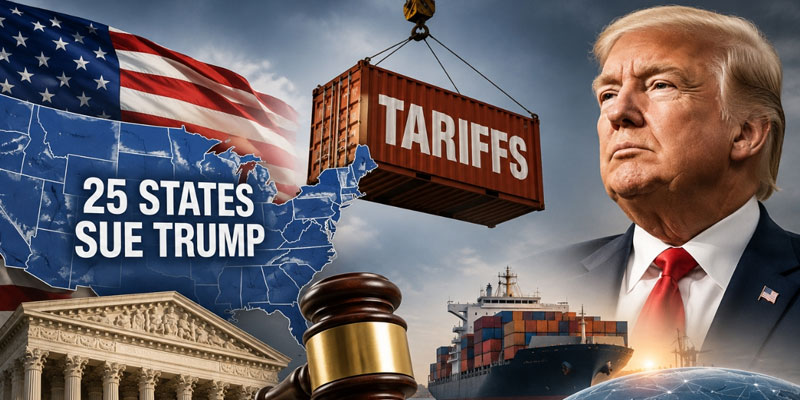
The US Senate has passed a long-delayed Russia sanctions bill that could give President Donald Trump authority to impose tariffs of up to 100% on major buyers of Russian energy, including India. The measure, approved 86–11, now moves to the House, where its tariff provisions could trigger another political battle. For New Delhi, the vote creates a significant new pressure point over its continued purchases of Russian crude.
From 500% Threat To 100% Discretionary Power
The legislation, renamed the “Lindsey O. Graham Sanctioning Russia and Iran Act of 2026,” originated as an effort to squeeze Moscow’s wartime revenues. Earlier versions proposed tariffs as high as 500% on countries buying Russian oil and gas, but the proposal was subsequently scaled back.
The Senate version would allow tariffs of up to 100% on the five largest buyers of Russian energy, currently identified as China, India, Azerbaijan, Hungary and Slovakia. Importantly, the tariffs would not be automatic. Trump would have discretionary authority to impose or remove them if the bill becomes law and statutory conditions are met.
Why India Faces the Sharpest Pressure
India has emerged as one of the largest purchasers of discounted Russian crude since the Ukraine war began in 2022. The arrangement has helped New Delhi secure relatively competitive energy supplies while maintaining strategic autonomy.
The Senate vote does not immediately impose a 100% tariff on Indian exports. Instead, it gives Washington a potentially powerful bargaining instrument. The threat could be used to influence India’s Russian oil volumes, payment arrangements, shipping practices or dealings with sanctioned Russian entities.
However, the potential economic consequences are serious. Indian sectors dependent on the US market—including engineering goods and other manufactured exports—could face higher costs and reduced competitiveness if punitive tariffs are eventually imposed.
House Battle Could Still Change the Measure
The bill now faces the House, which is in recess until September. Critics in Congress have argued that the legislation gives the president excessive unilateral authority over tariffs and could raise prices for American consumers.
That opposition could become important when lawmakers revisit the measure. The House may seek to modify, restrict or attach conditions to the tariff powers, meaning the Senate vote is an important step but not the final outcome.
India’s Three-Way Strategic Dilemma
New Delhi now faces a difficult balancing act. Abandoning Russian oil abruptly could undermine energy security and increase import costs, while ignoring Washington’s concerns could expose Indian exports to severe trade penalties. India could therefore seek to adjust Russian crude volumes, diversify energy suppliers and negotiate exemptions, while maintaining its broader strategic relationship with the United States.
The episode also highlights a wider transformation in American trade policy: tariffs are increasingly being deployed as geopolitical instruments rather than merely commercial measures.
Tariff Threat Could Reshape India’s Strategic Choices
The crucial test will come when the House considers the bill in September. If the 100% tariff authority survives, Washington will possess a powerful lever over India’s energy choices.
For New Delhi, the challenge will be to protect affordable energy supplies without allowing Russian oil purchases to become a vulnerability in its expanding US economic relationship. The tariff threat may ultimately matter as much as the tariff itself, because it gives Washington a new instrument to shape India’s strategic calculations.
(With agency inputs)