Washington Tightens the Economic Noose
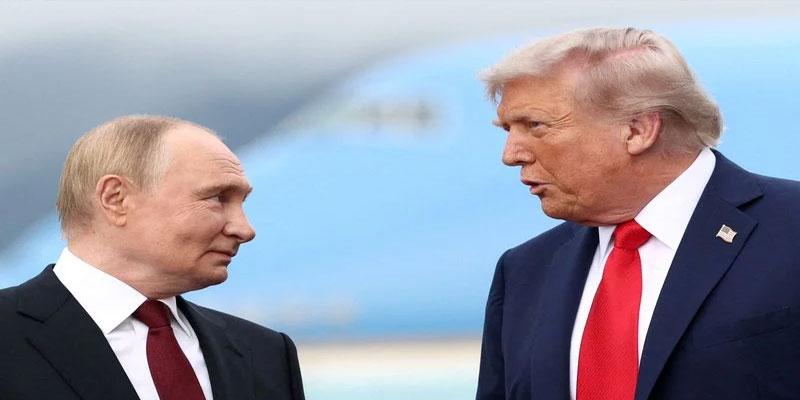
As the war in Ukraine drags into yet another tense chapter, Washington has sharpened its economic arsenal. In a sweeping move designed to hit Moscow where it hurts most, the United States has imposed comprehensive sanctions on Rosneft and Lukoil—Russia’s two largest oil giants. The decision, unveiled late Wednesday by the Treasury Department, marks President Donald Trump’s most forceful step yet to undermine the Kremlin’s financial backbone and compel President Vladimir Putin toward a ceasefire.
The sanctions are part of a broader strategy to escalate economic pressure without direct military confrontation—signaling that the energy sector is now at the center of Washington’s offensive.
Crippling the Kremlin’s Core Revenue
Under Executive Order 14024, the Treasury froze all U.S.-based assets of Rosneft, Lukoil, and their subsidiaries, while prohibiting American entities from engaging in business with them. Over 30 Rosneft-linked units—including Sibneftegaz, Rospan International, and RN Purneftegaz—and six Lukoil affiliates, such as West Siberia and Kaliningradmorneft, fall under the new restrictions.
Treasury Secretary Scott Bessent framed the decision as a moral and strategic necessity. “President Putin’s persistence in this brutal campaign leaves us no option but to strike at the lifeblood of his regime,” he said, calling for an immediate halt to Russian aggression.
The move follows President Trump’s cancellation of a planned Budapest summit with Putin, after repeated failures in ceasefire negotiations. “Every talk ends in empty promises,” Trump remarked. “We’re done financing this war indirectly through global oil flows.”
Triggered by Stalled Peace Efforts
The breakdown of diplomatic engagement prompted the White House to shift gears. The Treasury described the sanctions as part of a “decisive strategy to isolate Moscow economically,” urging European and Asian partners to close all remaining trade loopholes.
The administration has reportedly sought parallel actions from allies, with London and Brussels responding swiftly. The European Union, unveiling its 19th sanctions package, banned imports of Russian liquefied natural gas, while the United Kingdom joined the U.S. in targeting Rosneft and Lukoil assets.
Market Reactions and Global Fallout
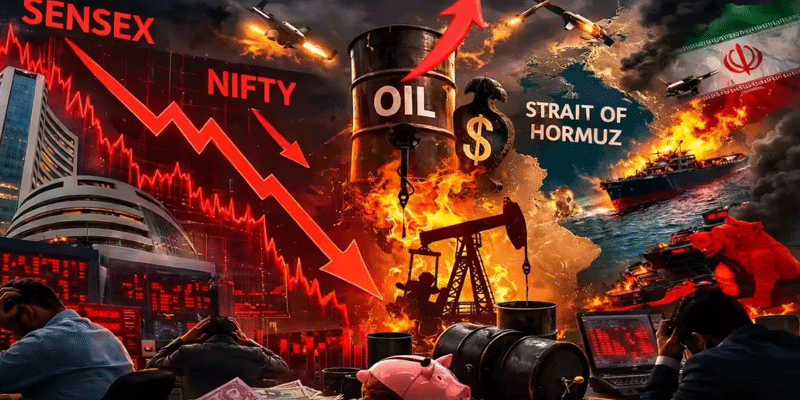
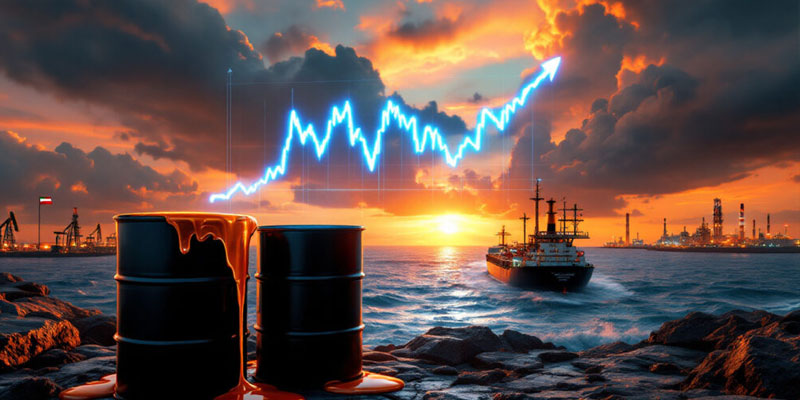
The announcement rattled global energy markets. Brent crude prices jumped over $2 per barrel, reflecting fears of supply disruptions, while the Russian ruble slid to a six-month low. Analysts warned that if the embargo endures, Russia’s oil production—responsible for nearly one-third of its state revenue—could face a severe contraction.
In Asia, reactions were mixed. India’s state refiners began reassessing their contracts to ensure compliance, while China, Moscow’s biggest oil buyer, signaled a cautious “case-by-case” review of its imports. Experts cautioned that continued dealings with the sanctioned firms could expose these countries to secondary U.S. penalties, creating fresh geopolitical frictions in the energy trade.
A Defining Shift in U.S. Strategy
This marks a strategic pivot for Washington. For months, the U.S. avoided directly sanctioning Russia’s main energy producers, wary of destabilizing global supply chains. The latest move, however, underscores Trump’s readiness to pursue ‘maximum economic pressure’ in place of military escalation.
Treasury officials indicated that the sanctions are open-ended and could widen to include Russian shipping, insurance, and pipeline operators if Moscow fails to make tangible progress toward peace. Trump is also expected to confront Chinese oil purchases from Russia during the upcoming APEC Summit in Seoul.
Kyiv Applauds, Critics Caution
In Kyiv, the reaction was swift and welcoming. President Volodymyr Zelensky hailed the sanctions as a “powerful message that aggression comes at a cost.” Ukrainian Foreign Minister Dmytro Kuleba added that starving the Kremlin’s war chest is the West’s “strongest non-military lever.”
Still, some policy analysts question whether sanctions alone can bring Russia to the table. U.S. officials, however, maintain that sustained economic attrition—backed by global coordination—remains the most effective path to peace short of direct confrontation.
Economic Warfare as the New Frontline
The latest U.S. sanctions signal more than financial punishment—they represent a strategic redefinition of warfare. By targeting Russia’s energy jugular, Washington aims to weaken the Kremlin’s capacity to wage prolonged conflict while avoiding an armed escalation.
As oil prices wobble and diplomatic channels tighten, one truth stands clear: the battle for Ukraine’s future is now being fought through economic endurance rather than missiles and tanks. Whether this pressure will finally compel Moscow to compromise remains uncertain—but Washington’s intent is unmistakable: to make war financially unsustainable for the Kremlin.
(With agency inputs)