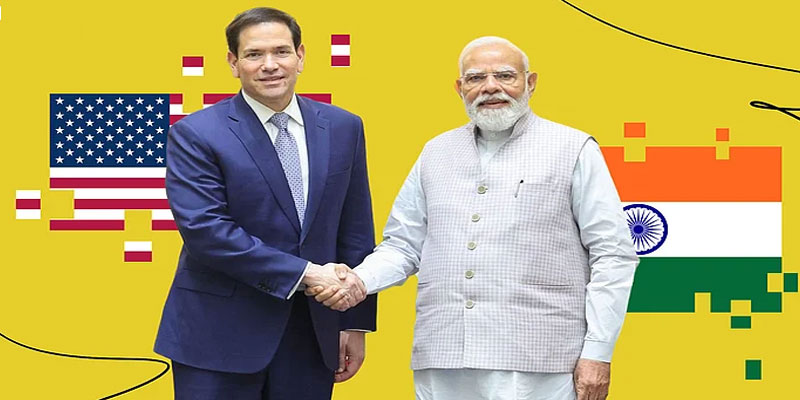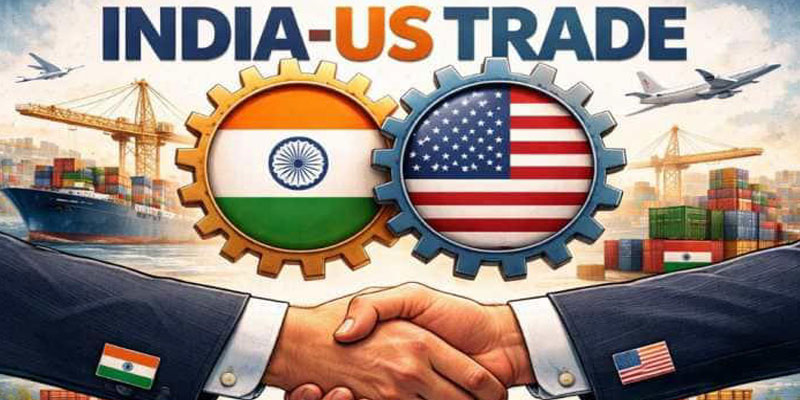
The United States and India have agreed on a framework for an Interim Agreement on reciprocal and mutually beneficial trade, reinforcing momentum toward a broader Bilateral Trade Agreement (BTA). The move signals a shared intent to convert strategic alignment into practical, measurable outcomes.
The framework builds on negotiations launched in February 2025 and is designed to widen market access while strengthening supply-chain resilience. Both governments see the interim step as a bridge toward a more comprehensive pact.
India has committed to eliminating or reducing tariffs on a wide range of U.S. industrial, food, and agricultural goods. The list spans animal feed inputs, tree nuts, fruits, edible oils, wine, spirits, and other categories important to American exporters.
On its side, the United States will apply a reciprocal tariff structure on selected Indian exports. However, many products could see relief once the interim arrangement is successfully concluded, opening pathways for reduced duties across sensitive sectors.
Washington will also remove certain national-security tariffs affecting Indian aircraft components and related materials. In parallel, India is expected to gain preferential quota treatment in specific automotive segments, subject to statutory conditions.
Both countries have pledged to grant one another sustained preferential access in priority industries. New rules of origin will aim to ensure that benefits primarily accrue to producers within the two economies.
Non-tariff barriers are another major focus. India has indicated steps to ease long-standing concerns in medical devices, ICT imports, standards recognition, and agricultural trade, while regulators from both sides plan deeper cooperation on compliance procedures.
Flexibility is built into the framework. If either nation alters agreed tariff positions, the other retains the right to recalibrate its commitments, preserving balance.
A significant commercial pillar accompanies the policy agenda. India has expressed intent to purchase large volumes of U.S. energy, aircraft, metals, and advanced technology goods, including equipment vital for digital infrastructure and data centers.
Finally, both sides aim to craft stronger digital-trade disciplines, curb discriminatory practices, and expand technology collaboration. Officials intend to move quickly from framework to implementation, keeping the longer-term BTA firmly in sight.