A Clash of Narratives at the UN
The war in Ukraine once again dominated discussions at the 80th session of the United Nations General Assembly (UNGA), but this time India found itself at the center of a diplomatic tug-of-war. While U.S. President Donald Trump accused New Delhi of being a “primary funder” of Moscow’s offensive by purchasing Russian oil, Ukrainian President Volodymyr Zelenskyy offered a sharply different perspective. Speaking to Fox News on the sidelines of the UNGA, Zelenskyy stressed that he believes India is “mostly” aligned with Kyiv, even as energy ties with Russia complicate the equation.
Zelenskyy was keen to highlight the importance of keeping India close. “I think India is mostly with us. We have these questions with energy, but I think President Trump can manage it,” he said. He acknowledged New Delhi’s continued imports of Russian oil but argued that Ukraine must do “everything not to withdraw India” and ensure India eventually shifts its stance on Russian energy.
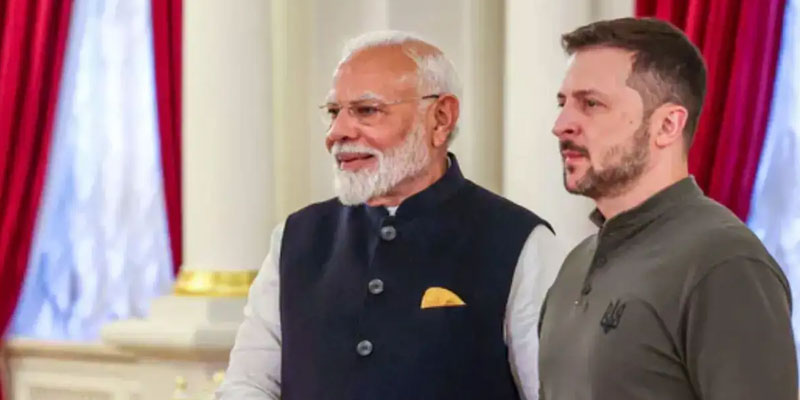
India, he suggested, was not irreversibly tied to Moscow. Instead, it could play a constructive role in the peace process, a sentiment he has voiced repeatedly, including in earlier conversations with Prime Minister Narendra Modi. For Zelenskyy, maintaining and deepening India’s engagement is not just about diplomacy but about denying Moscow the legitimacy of broad-based international support.
China and Iran: More Difficult Cases
While Zelenskyy expressed cautious optimism about India, he admitted that China remained a far tougher challenge. Beijing’s historic closeness to Russia and its reluctance to pressure the Kremlin made it “more difficult” to engage. On Iran, his assessment was blunt: Tehran “will never be on our side,” given its entrenched opposition to the U.S. and its growing defense partnership with Moscow.
The contrast reveals why India looms so large in Zelenskyy’s strategy. Unlike China or Iran, New Delhi retains strong relations with both Russia and the West, making it a potential bridge in global diplomacy.
Trump’s Criticism: Oil, Tariffs, and Funding the War
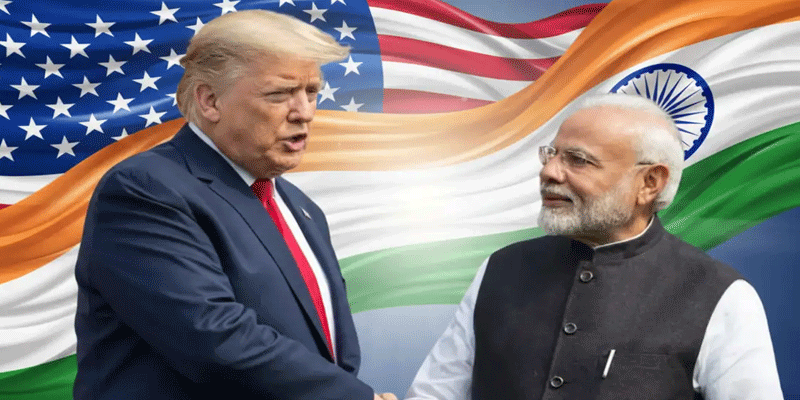
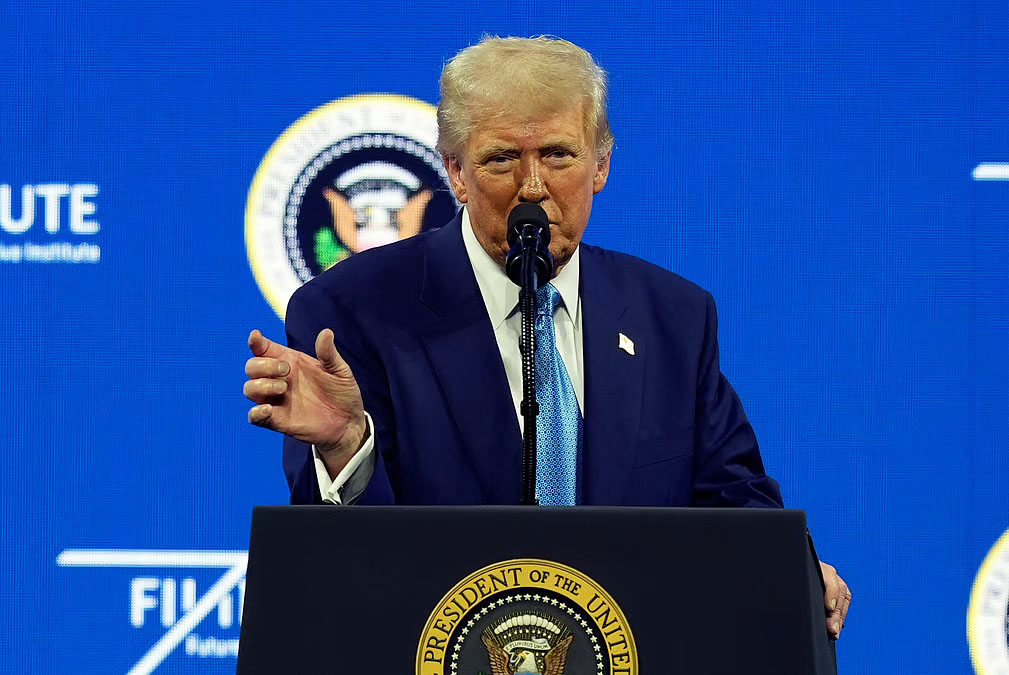
Trump, however, painted a different picture in his address to the UNGA. In his hour-long speech, he directly named India and China as the “primary funders” of Russia’s war by continuing to buy its crude oil. The Trump administration followed this rhetoric with action, slapping an additional 25% tariff on Indian goods as a penalty for its Russian imports—raising total U.S. tariffs on India to 50%, among the steepest in the world.
India dismissed these tariffs as “unjustified and unreasonable,” defending its energy purchases as legal and essential to its economic security. Officials in New Delhi have often pointed to Western hypocrisy, noting that European nations and the U.S. themselves continue to trade with Russia in sectors other than oil.
Divergent Voices on Ukraine’s Future
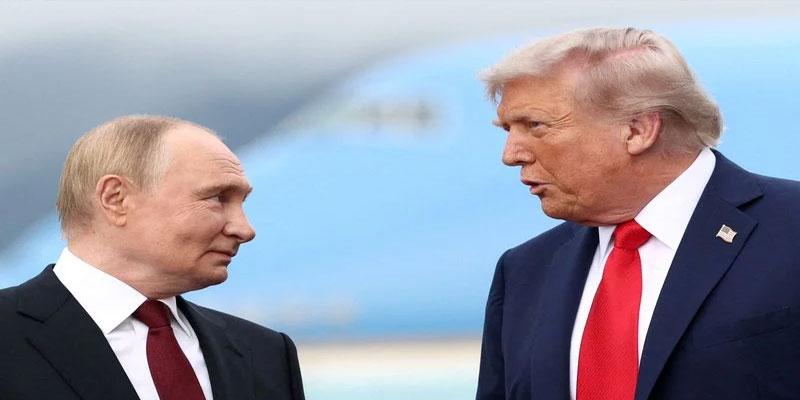
Despite the sharp language, Zelenskyy had words of praise for Trump. He described the American president as “more positive” in recent private talks and emphasized their shared desire to end the war quickly. “He wants that, I want that, and our people want that,” Zelenskyy said, though he added that Russian President Vladimir Putin remained the chief obstacle.
Zelenskyy also sought to counter Putin’s narrative. “Putin knows he is not winning but still says to everyone that he is winning,” he remarked, underscoring the psychological war being waged alongside the military one.
The India Factor: A Road to Peace?
India’s importance in this geopolitical puzzle has been emphasized not only by Zelenskyy but also by figures within the Trump administration. Just weeks earlier, White House adviser Peter Navarro argued that “the road to peace runs, in part, through New Delhi.” Zelenskyy himself has echoed this sentiment, saying Kyiv was “counting on India’s contribution to ending the war with Russia.”
India, however, has stuck to a cautious line: calling for dialogue, defending its right to buy discounted Russian oil, and avoiding overtly siding with either camp. It continues to send humanitarian aid to Ukraine while simultaneously deepening economic ties with Moscow.
India’s Tightrope Walk
New Delhi’s balancing act reflects both strategic compulsions and domestic needs. Russian oil provides affordable energy in an inflation-prone economy, while Russia remains a major defense supplier. At the same time, India’s growing partnerships with the U.S. and Europe make it wary of alienating the West.
By keeping its options open, India has positioned itself as a potential mediator—a role both risky and rewarding. For Kyiv, that makes India “mostly with us.” For Washington, it makes India a frustrating partner.
Between Opportunity and Pressure
The exchanges at the UNGA underline India’s increasingly pivotal role in the Ukraine conflict. To Washington, India’s oil trade undercuts efforts to weaken Russia; to Kyiv, India is a valuable partner that must be courted, not alienated.
As the war grinds on, India’s stance will attract growing scrutiny. Should New Delhi step forward as a mediator, it could elevate its global standing as a peace broker. But if it leans too heavily toward self-interest in energy security, it risks criticism from both Ukraine and its Western partners.
Ultimately, the choice before India is not between Russia and the West alone, but between being a passive observer and an active shaper of the peace process. Whether India can strike that balance may well determine how history remembers its role in one of the century’s defining conflicts.
(With agency inputs)