Police Chief Signals a Major Reset
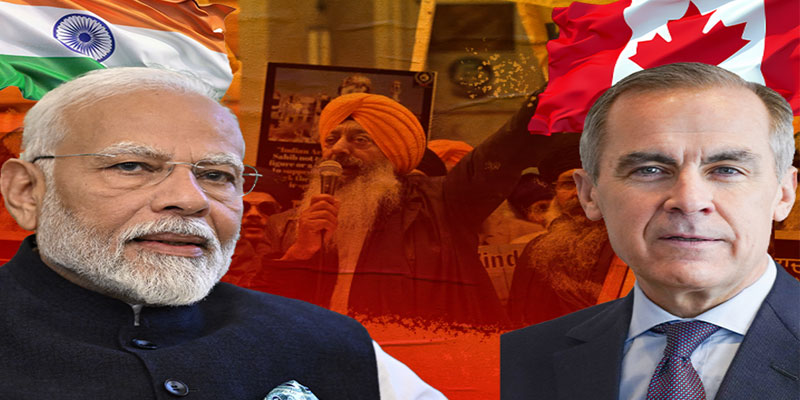
In a significant diplomatic turn, Canada’s top police official has effectively given India a clean chit in ongoing investigations into foreign interference and transnational repression. Mike Duheme, speaking in a recent interview, stated that current cases being handled by the Royal Canadian Mounted Police show “no connection right now with any foreign entity,” including India. The remark marks a sharp shift from earlier accusations that had severely strained bilateral ties.
What the RCMP Now Says
Duheme clarified that while cases of harassment and intimidation within Canada do exist, investigators have found no concrete criminal evidence linking such activities to any foreign government. Importantly, he also separated organized crime cases—such as those involving the Lawrence Bishnoi gang—from allegations of state-backed operations, emphasizing that they should not be conflated.
This position contrasts starkly with statements made in late 2024, when Canadian authorities suggested the existence of “strong evidence” tying Indian officials to targeted violence. Those earlier claims had triggered diplomatic expulsions and a prolonged freeze in relations.
From Accusations to Reassessment
The controversy began under former Prime Minister Justin Trudeau, who told Parliament in 2023 that there were “credible allegations” linking Indian agents to the killing of Sikh separatist Hardeep Singh Nijjar. The claims expanded over time, with suggestions that India was using criminal networks to target activists on Canadian soil.
India consistently denied the allegations, calling them politically motivated and lacking evidence. The fallout was immediate and severe: diplomats were expelled on both sides, visa services were disrupted, and relations entered a deep freeze.
Now, under Prime Minister Mark Carney, Canada appears to be recalibrating its stance. Senior officials have indicated that Ottawa no longer believes India is engaged in ongoing interference or violent plots, signaling a broader effort to reset ties.
A Stark Contrast in Narrative
What makes this shift particularly striking is the contrast with earlier rhetoric. Canadian officials had previously portrayed India as a serious threat to public safety, even suggesting involvement in homicides and organized violence. These claims were widely publicized and contributed to a narrative of escalating foreign interference.
The RCMP’s current position effectively rolls back that framing. While it stops short of explicitly retracting earlier statements, it underscores the absence of prosecutable evidence and the lack of ongoing state-linked activity. This suggests that earlier intelligence may have been inconclusive, overstated, or politically amplified.
Strategic Implications for Both Sides
For Canada, the change reflects a balancing act. Addressing foreign interference remains a priority, but so does maintaining stable relations with a key global partner like India. A softer stance allows Ottawa to pursue economic and strategic cooperation without being bound by earlier accusations.
For India, the development reinforces its long-standing position that the allegations were unfounded. The “clean chit” is likely to be used diplomatically and domestically to counter narratives of state-sponsored wrongdoing.
Diplomacy Over Discord
The RCMP’s revised stance signals more than just a shift in investigation—it marks a turning point in India–Canada relations. Moving away from confrontation, both sides appear to be creating space for dialogue and cooperation.
While questions around past allegations may linger, the absence of current evidence has reshaped the narrative. In a world of complex geopolitical alignments, this episode underscores how intelligence, politics, and diplomacy often intersect—and how recalibration, when it comes, can be just as consequential as accusation.
(With agency inputs)