Centre's Appeal to Protesters for Talks
Facing mounting nationwide protests over the NEET-UG 2026 paper leak, the Centre has adopted a more conciliatory approach, inviting student leaders for talks with the assurance that discussions can take place "at your convenience, at any time, any place." While the outreach marks a shift from its earlier emphasis on policing demonstrations, continued allegations of force against protesters have fuelled scepticism within the Cockroach Janta Party (CJP), leaving the trust deficit largely unresolved.
From Examination Crisis to National Protest
The CJP-led movement emerged after the NEET paper leak forced the cancellation and re-conduct of the examination. What began as protests over exam integrity soon expanded into a wider campaign highlighting youth unemployment, institutional credibility and perceived government indifference.
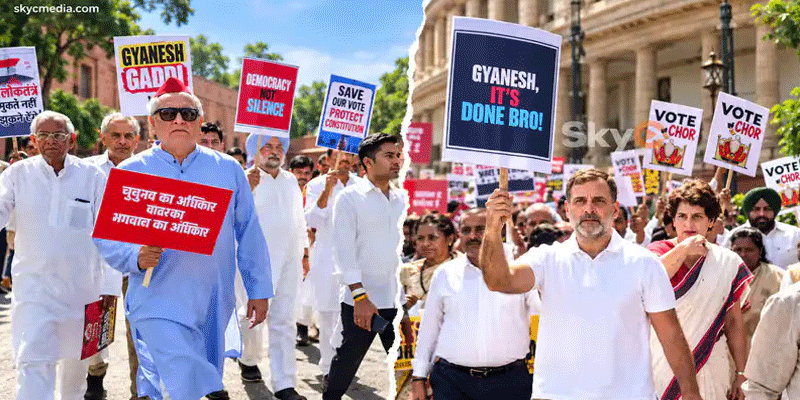
The agitation gained momentum after a march towards Parliament was met with tear gas, baton charges and detentions, prompting criticism of the government's handling of student demonstrations and pushing it towards dialogue.
Government Extends an Open Invitation
He said both he and Union Health Minister J.P. Nadda were ready to meet the protesters, even at Nadda's office or residence, signalling flexibility in the choice of venue. The government has presented the initiative as part of its commitment to student welfare and insists that dialogue, rather than street protests, is the appropriate path to resolution.
CJP Questions the Government's Intentions
CJP founder Abhijeet Dipke has questioned the sincerity of the outreach, arguing that dialogue cannot be meaningful while police action against protesters continues.
The organisation has sought talks at a neutral venue and reiterated that any negotiations must include visible accountability, including the resignation of Union Education Minister Dharmendra Pradhan and an end to what it describes as excessive police force.
Dialogue Versus Enforcement
By placing senior ministers at the forefront of negotiations, the Centre hopes to demonstrate openness and counter criticism that it is unwilling to engage with students.
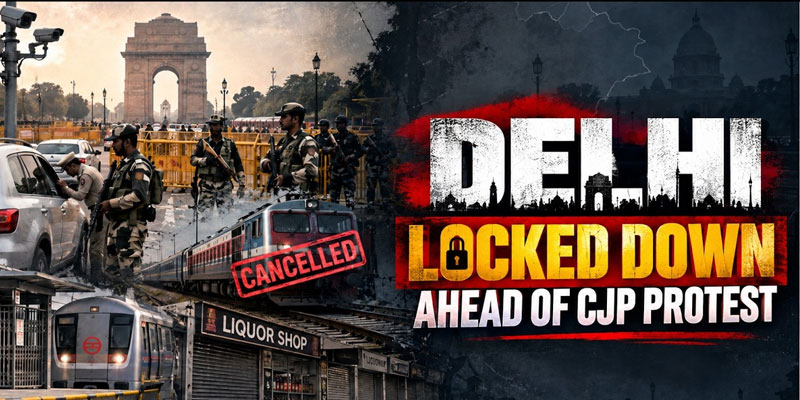
However, protesters argue that continued detentions, security restrictions, Metro station closures and surveillance around protest sites contradict the government's conciliatory message. Several CJP leaders have described earlier interactions with ministers as cordial but unproductive because they produced no concrete commitments.
Analytical Perspective: Trust Requires More Than Talks
The current impasse reflects a deeper conflict over accountability. While the government is offering dialogue and procedural reforms, it has rejected the protesters' principal demands, including ministerial responsibility and independent oversight of examination agencies.
The CJP believes symbolic gestures cannot replace meaningful action. Until both sides narrow this gap, negotiations are likely to remain constrained by mutual distrust.
Beyond Invitations, Credibility Will Determine the Outcome
The Centre's "any place, any time" offer signals a willingness to engage, but rebuilding public confidence will require more than flexible meeting arrangements. Meaningful dialogue must be supported by transparent reforms, credible accountability and confidence-building measures. Only then can the government and protesting students move beyond confrontation towards a lasting resolution of the NEET crisis.
(With agency inputs)