PM Breaks Silence on NEET Protest
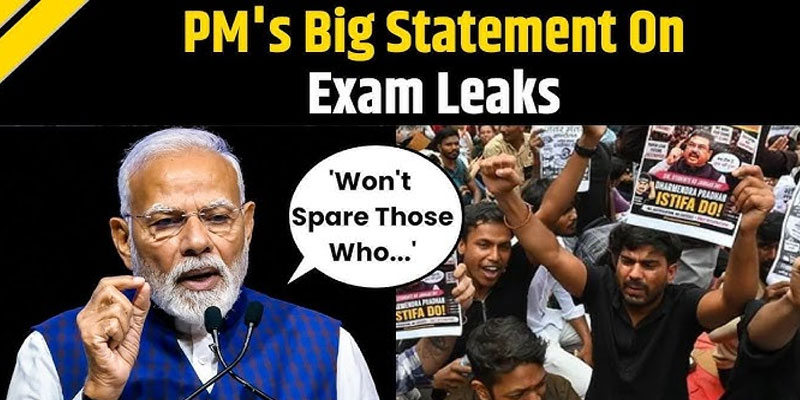
Prime Minister Narendra Modi on Thursday broke his silence on the nationwide protests over the NEET-UG 2026 controversy, announcing that the Centre will establish fast-track courts to ensure swift justice in all examination paper leak cases. Stressing that the future of India's youth cannot be compromised, the Prime Minister said these special courts would ensure speedy disposal of cases and severe punishment for those found guilty of leaking question papers. While the announcement seeks to reassure millions of students and parents, it has done little to resolve the growing political confrontation surrounding the NEET issue, with the Opposition and protesting students continuing to demand greater accountability from the government.
How the NEET Crisis Escalated
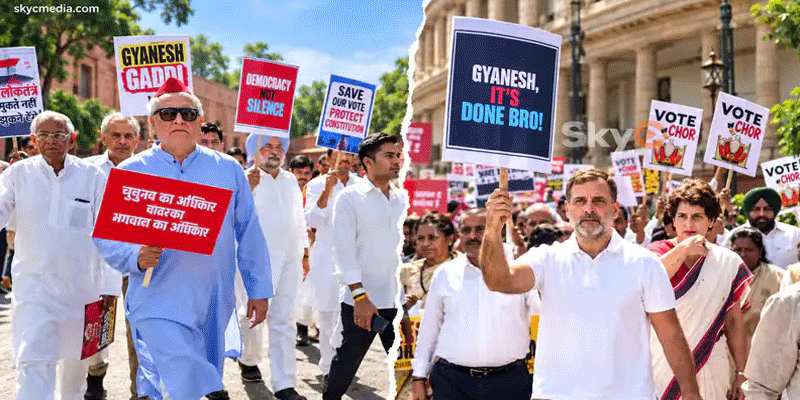
The NEET-UG 2026 examination was cancelled and conducted again after allegations emerged that the original question paper had been leaked before the test. The controversy sparked widespread protests across Delhi and several other cities, with students alleging that repeated examination irregularities had eroded confidence in India's competitive examination system. What initially appeared to be an administrative lapse soon evolved into a national debate on governance, institutional credibility and the government's ability to safeguard the aspirations of millions of young Indians.
The episode also revived concerns over repeated instances of examination malpractice reported across different states over the past several years, transforming the NEET controversy into a broader discussion on systemic reforms in public examinations.
Government's Legal Response and Political Boundaries
The Prime Minister's proposal for fast-track courts reflects a strategy centred on stronger legal deterrence. By promising swift investigations, speedy trials and stringent punishment, the government aims to demonstrate that it is prepared to crack down on organised examination fraud.
However, the Centre has simultaneously drawn a clear political boundary by refusing to entertain demands for the resignation of Union Education Minister Dharmendra Pradhan. While Modi framed the issue as one concerning the welfare and future of India's youth, the government has stopped short of accepting any ministerial responsibility. This distinction has become the principal obstacle preventing meaningful dialogue with protest leaders and opposition parties.
Opposition Shifts Debate to Accountability
The Opposition has attempted to redefine the controversy from one of criminal misconduct to one of political accountability. Congress leader Rahul Gandhi has repeatedly alleged that more than 150 paper leaks have taken place during the past decade, arguing that examination fraud has become a systemic problem. Although no consolidated official database publicly confirms this figure, the claim has gained significant political traction.
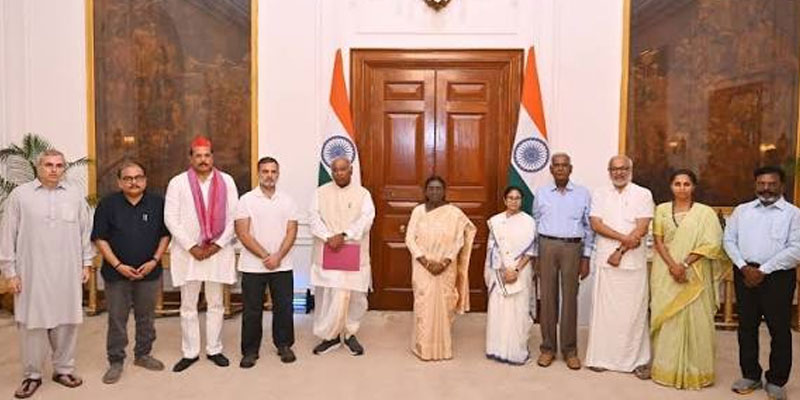
Congress president Mallikarjun Kharge has further escalated the confrontation by demanding Education Minister Dharmendra Pradhan's resignation before Parliament holds a substantive discussion on NEET. For the Opposition, procedural reforms alone cannot restore public confidence unless repeated institutional failures also carry political consequences.
Youth Protests Expand Beyond NEET
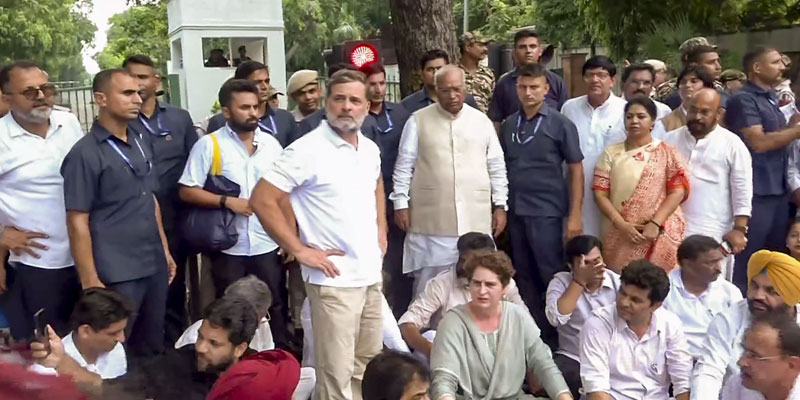
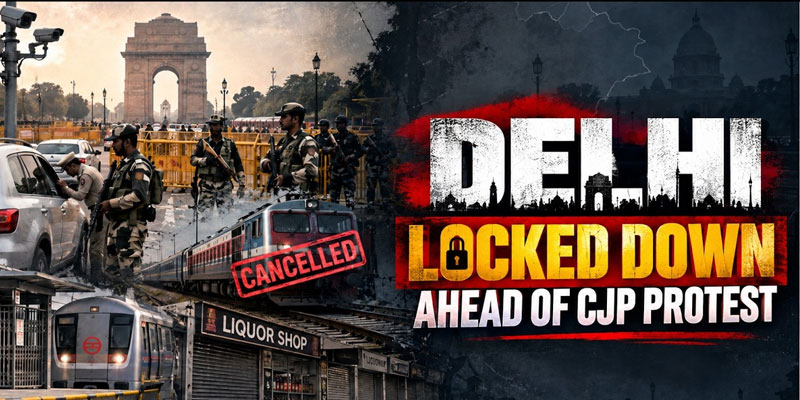
Outside Parliament, the Cockroach Janta Party (CJP) has emerged as one of the most visible platforms for youth mobilisation. Sustained demonstrations at Jantar Mantar, along with protests in Bengaluru, Chennai and other cities, indicate that public anger now extends beyond a single examination.
CJP leaders have declared Pradhan's resignation "non-negotiable", rejecting discussions that do not include personal accountability. The participation of students, civil society groups and activists has transformed the movement into a wider campaign demanding transparency, fairness and institutional reform across India's examination system.
The Deeper Governance Challenge
The present deadlock illustrates two fundamentally different approaches to resolving the crisis. The government believes stronger laws, faster trials and harsher punishments will deter future paper leaks. Protesters and the Opposition argue that legal action after a leak cannot substitute for preventive reforms or political accountability.
Fast-track courts can certainly accelerate justice, but they address consequences rather than causes. Lasting reforms would require stronger digital security, greater transparency in paper-setting, independent oversight of examination agencies, improved cyber protection, and robust auditing mechanisms that minimise opportunities for leaks before examinations take place.
Rebuilding Trust Beyond Punishment
The NEET controversy has evolved into a defining test of institutional credibility rather than merely an examination scandal. While the Prime Minister's announcement signals a tougher legal framework against paper leaks, rebuilding confidence among students will require more than swift convictions. Transparent governance, administrative reforms and visible accountability will ultimately determine whether India's examination system regains public trust or continues to witness recurring confrontations between an increasingly assertive youth population and the institutions entrusted with safeguarding their future.
(With agency inputs)