UAE Calls Attack a “Dangerous Escalation”
The United Arab Emirates has sharply condemned a fresh wave of missile and drone attacks attributed to Iran, calling them a “dangerous escalation” and asserting its “full right to respond.” The latest strike, which included intercepted missiles and a drone hit on Fujairah’s critical oil infrastructure, has heightened fears of a broader regional conflict. With three Indian nationals injured in the incident, the attack underscores both the geopolitical volatility and the human cost of escalating tensions in the Gulf.
The Latest Strike: Interceptions and Impact
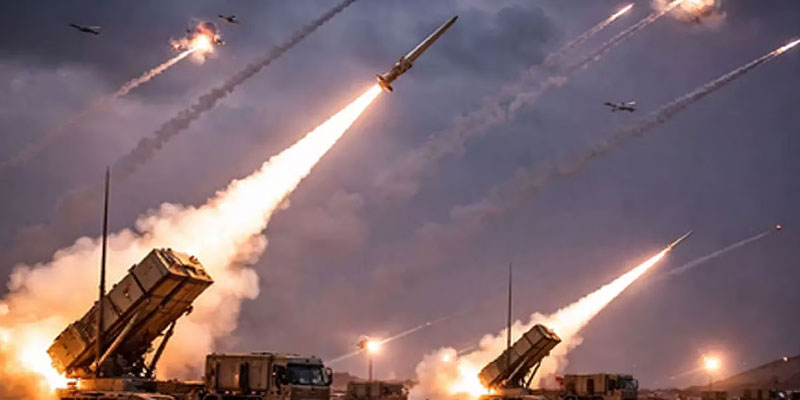
According to the UAE Ministry of Defence, four missiles were launched from Iranian territory, three of which were successfully intercepted over UAE airspace, while the fourth fell harmlessly into the sea. Residents across multiple emirates reported loud explosions as air defence systems neutralized incoming threats, following emergency alerts issued via mobile phones.
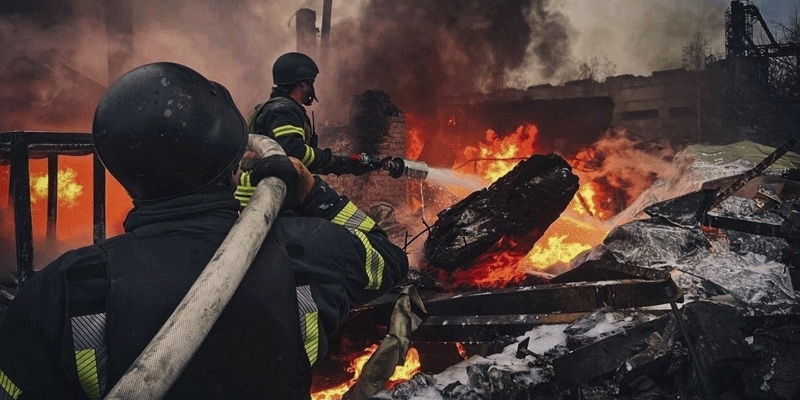
The most damaging blow came in Fujairah, a strategic oil hub on the Gulf of Oman. A drone strike hit a facility in the Fujairah Petroleum Industries Zone (FOIZ), igniting a fire that forced temporary shutdowns. The site is particularly vital as it enables oil exports that bypass the vulnerable Strait of Hormuz. Damage to such infrastructure not only disrupts supply chains but also exposes critical vulnerabilities in global energy logistics.
UAE’s Response: Firm Words and Strategic Signaling
In its official statements, the UAE described the attack as a “treacherous terrorist act” targeting civilian and economic infrastructure. Emphasizing that such actions violate international law and the UN Charter, Abu Dhabi made it clear that it “will not tolerate any threat” to its sovereignty.
Crucially, the UAE has reserved its right to respond, signaling a shift from purely defensive measures to the possibility of calibrated retaliation. While the country continues to advocate for de-escalation, this assertive stance indicates that repeated attacks may provoke stronger countermeasures. The messaging is both a warning to Iran and a reassurance to international partners dependent on Gulf stability.
A Pattern of Escalation: The Bigger Context
The latest incident is not isolated. Between late February and early April, during heightened hostilities involving the United States and Iran, Tehran reportedly launched over 2,800 drones and missiles toward the UAE. This makes the UAE one of the most heavily targeted Gulf nations in the current phase of conflict.
These attacks have consistently focused on energy infrastructure, ports, and logistics hubs—strategic assets that underpin both regional economies and global energy markets. By targeting such nodes, Iran appears to be increasing pressure on countries perceived as aligned with Western interests.
The recurrence of strikes, even after a ceasefire window, raises concerns about the durability of diplomatic efforts and the risk of further escalation.
A Fragile Balance Between Deterrence and Diplomacy
For the UAE, the strategy appears twofold: strengthen defensive capabilities while signaling readiness to retaliate if necessary. For the broader international community, the stakes are equally high—ensuring the security of energy routes and protecting civilian lives.
Ultimately, the path forward will depend on whether diplomacy can outpace escalation. In a region where every strike carries global consequences, restraint is not just a choice—it is a necessity.
(With agency inputs)