Balochistan Claim Intensifies Pakistan's Internal and Regional Crisis
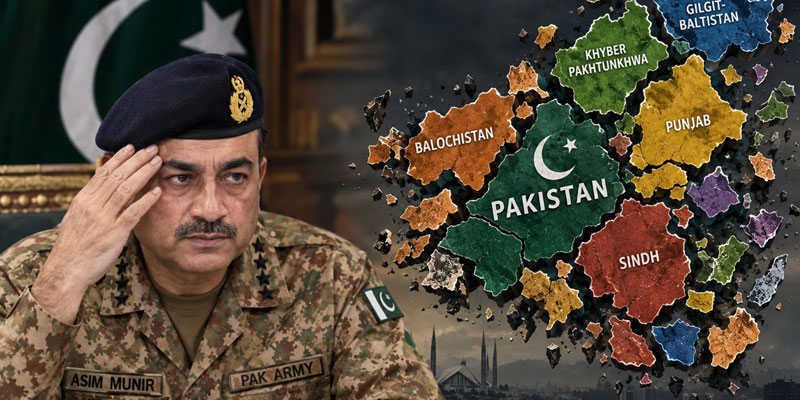
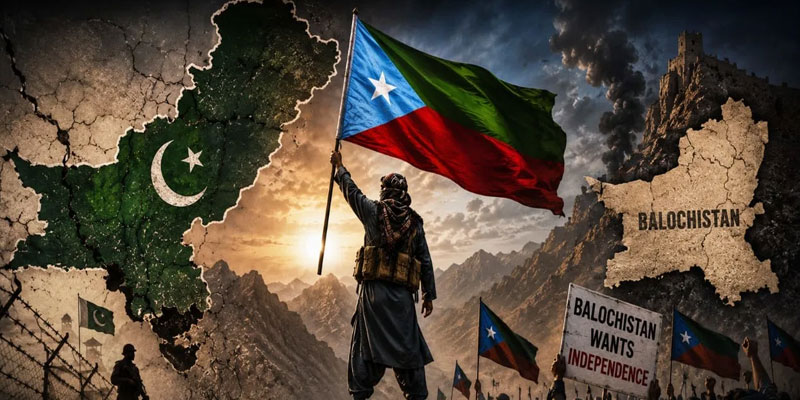
Balochistan has once again captured international attention after a self-declared representative announced that the province is no longer a part of Pakistan. On July 15, the X handle associated with the self-proclaimed "Republic of Balochistan" claimed that the new administration now controls nearly 85 per cent of the territory and has adopted its own national flag, anthem, currency and governance system. While the declaration has generated intense debate on social media and renewed calls for international recognition, the claims remain unverified and have not been acknowledged by Pakistan or any recognised international body. The episode has nevertheless revived one of South Asia's most enduring geopolitical disputes.
Balochistan: A Region of Strategic and Economic Importance
Balochistan is Pakistan's largest province by area, accounting for nearly 44 per cent of the country's landmass, although it is home to only about six per cent of its population. Bordering Iran and Afghanistan and stretching along the Arabian Sea, the province occupies a strategically critical location connecting South Asia, Central Asia and the Middle East.
The region possesses vast reserves of natural gas, coal, copper, gold and other valuable minerals. It is also home to Gwadar Port, a key component of the China-Pakistan Economic Corridor (CPEC), making Balochistan central to Pakistan's economic and strategic ambitions. Despite its resource wealth, however, the province remains among the country's least developed regions, fuelling decades of political discontent.
Origins of the Baloch Nationalist Movement
The Baloch nationalist movement predates the current developments by several decades. Its roots lie in demands for greater political autonomy, equitable sharing of natural resource revenues and protection of the cultural and political rights of the Baloch people.
Over time, the movement has fragmented into constitutional political groups, exile-based advocacy organisations and armed insurgent outfits. Among the latter, the Balochistan Liberation Army (BLA) has emerged as one of the most prominent organisations seeking complete independence from Pakistan. The movement has consistently alleged enforced disappearances, military crackdowns, political marginalisation and exploitation of the province's natural resources as the principal causes of the conflict.
Latest Developments and Their Significance
The latest declaration by the self-styled "Republic of Balochistan" claims that Baloch forces have established control over approximately 85 per cent of the territory and have created independent state institutions. Simultaneously, appeals have been made to India and the international community to formally recognise Balochistan as an independent nation.
However, there is no independent verification of these assertions. No sovereign government, the United Nations or any recognised international organisation has acknowledged the existence of an independent Baloch state or confirmed claims regarding territorial control. Consequently, the declaration remains a political assertion rather than an established geopolitical reality.
Strategic Challenges for India and the Region
The development places India in a delicate diplomatic position. Any formal or symbolic endorsement of the separatist claim could be interpreted by Pakistan as interference in its internal affairs, potentially escalating already strained bilateral relations. Conversely, complete silence may be viewed by Baloch activists as indifference to their long-standing grievances.
The issue extends well beyond India-Pakistan dynamics. Given Balochistan's centrality to CPEC and Gwadar Port, any instability directly affects China's strategic investments and broader regional connectivity plans. Persistent unrest also raises concerns over border security, energy corridors and long-term regional stability.
Between Symbolism and Statehood
The latest declaration underscores the continuing depth of the Baloch question but falls well short of constituting internationally recognised independence. Rather than signalling the birth of a new state, it reflects an intensification of political messaging, information warfare and separatist advocacy. Until supported by verifiable territorial control, international recognition and sustained political legitimacy, the claim is likely to remain a powerful symbol of an unresolved conflict rather than a settled geopolitical transformation.
(With agency inputs)