Fresh fatalities intensify Washington’s military response
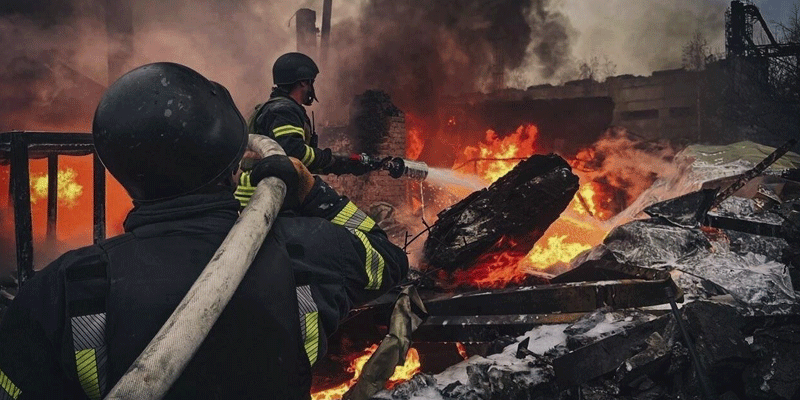
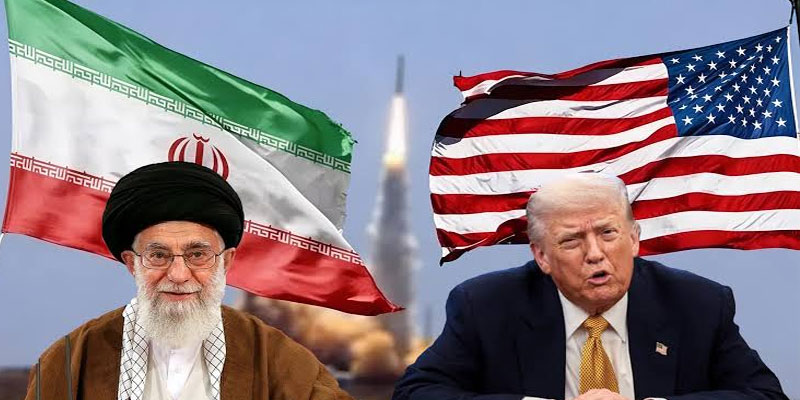
The death toll among US troops in the ongoing Iran war has climbed to 17, marking a significant turning point in the conflict. The latest fatalities have prompted the Trump administration to frame fresh military strikes on Iran as acts of retribution for fallen American service members. Beyond the immediate battlefield losses, the rising casualty count is reshaping the political and strategic narrative, reinforcing Washington’s resolve while raising concerns over the conflict’s widening scope and long-term objectives.
A conflict growing across multiple fronts
The current phase of the US-Iran war began on February 28, 2026, and has steadily expanded beyond Iran into Iraq, Jordan, the Arabian Sea and the wider Gulf region. Official reports indicate that 17 US service members have been killed, while more than 400 have sustained injuries through both combat operations and operational incidents.
Earlier this month, the death of a US Navy pilot in a helicopter crash in the Arabian Sea had taken the toll to 14. Although the Pentagon distinguishes between hostile and non-hostile deaths, public discourse increasingly treats all such losses as casualties of war, intensifying demands for a stronger American response.
Latest attacks push fatalities higher
The latest deaths occurred in both Jordan and Iraq. According to US Central Command, two American service members were killed and another went missing following an Iranian missile and drone attack on a US-operated base in Jordan. Search teams later recovered unidentified remains near the strike site, highlighting the uncertainty surrounding the missing soldier.
In northern Iraq, another US service member was killed while conducting the controlled disposal of unexploded ordnance recovered from a downed Iranian one-way attack drone. A second soldier sustained minor injuries during the operation. These incidents raised the confirmed US military death toll to 17.
Earlier in the conflict, six personnel were killed when a KC-135 aerial refuelling aircraft crashed in Iraq while supporting combat operations. Though classified as a non-hostile accident, the incident illustrated the operational risks associated with sustained military campaigns.
Information warfare and strategic messaging
The conflict has also expanded into the information domain. Online claims alleging additional US fatalities in Kuwait have circulated widely, particularly through Iranian-linked sources. However, US Central Command has categorically denied reports of deaths or injuries there, stating that all personnel remain accounted for.
Meanwhile, President Donald Trump has publicly linked recent strikes on Iran to the deaths of American troops, portraying military action as both retaliation and a demonstration of national resolve. This messaging seeks to reassure domestic audiences, deter further Iranian attacks and reassure regional allies of continued US commitment.
Escalation beyond the battlefield
The pattern of casualties underscores the transformation of the conflict into a multi-theatre war, where combat operations, aviation missions, logistics and explosive ordnance disposal all carry substantial risks. The wider geographic footprint increases exposure to accidents, drone attacks and regional instability while creating additional opportunities for miscalculation.
At the same time, troop deaths inevitably become political catalysts. While they strengthen support for immediate retaliation, prolonged casualties without clearly defined strategic outcomes could eventually invite greater scrutiny over Washington's broader objectives and the sustainability of the campaign.
A Defining Moment in An Expanding Conflict
The confirmed deaths of 17 US service members represent more than a grim statistic—they symbolise a conflict entering a more dangerous and politically consequential phase. As Washington responds with stronger military action and Iran signals continued resistance, the prospects for de-escalation become increasingly uncertain. Unless accompanied by a clearly articulated strategic endgame and sustained diplomatic efforts, the cycle of retaliation risks prolonging a conflict whose human, military and geopolitical costs continue to mount.
(With agency inputs)