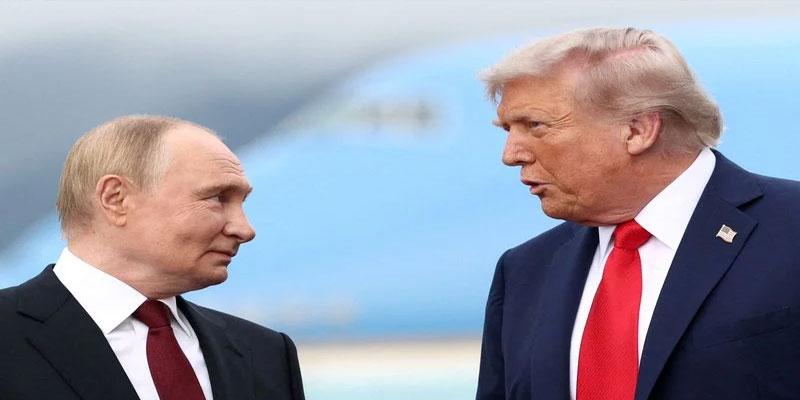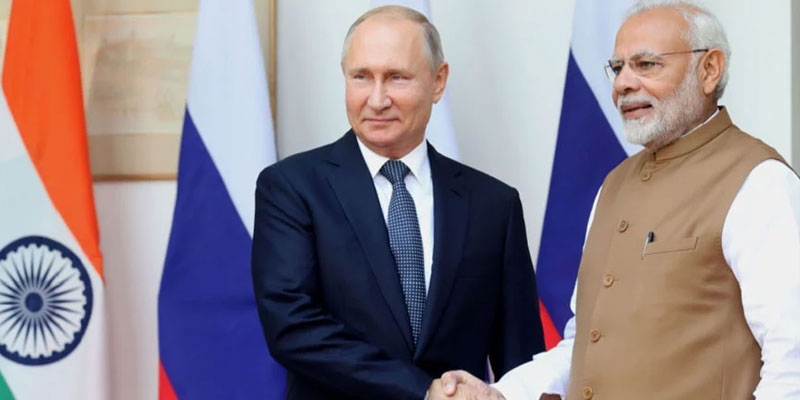
Russian President Vladimir Putin is set to visit India for the BRICS Summit in September 2026, marking his second trip to the country within a year. As India assumes the BRICS chairmanship and prepares to host the 18th summit in New Delhi, the visit underscores the growing strategic importance of the grouping amid global uncertainty and shifting power equations.
India’s BRICS Presidency: A Leadership Moment
India took over the BRICS chairmanship on January 1, 2026, with the summit scheduled for September 12–13 in New Delhi. This will be India’s fourth time hosting the high-profile gathering, reflecting its rising influence among emerging economies.
The grouping itself has expanded significantly—from its original five members to an enlarged bloc that now includes countries like Egypt, Iran, UAE, and others. Together, BRICS represents nearly 45% of the global population and over a third of global GDP (PPP), positioning it as a counterweight to Western-led institutions.
India’s theme- “Building for Resilience, Innovation, Cooperation and Sustainability”-places emphasis on inclusive growth, Global South representation, and systemic reforms in global governance.
Key Agenda: Economy, Trade, and Global Governance
The summit is expected to focus on strengthening economic cooperation through institutions like the New Development Bank (NDB) and promoting trade in local currencies to reduce dependence on the US dollar. Initiatives such as BRICS Pay and expanded financial connectivity are likely to gain traction.
Other priorities include supply chain resilience, especially in food, energy, and health sectors—areas that have faced disruptions due to ongoing geopolitical conflicts. Reform of global institutions like the UN, IMF, and WTO will also be central, with BRICS pushing for greater representation of developing nations.
Geopolitical Undercurrents: Russia, the West, and Multipolarity
Putin’s presence adds a significant geopolitical dimension to the summit. It highlights Russia’s continued engagement with non-Western alliances despite sanctions and international pressure.
For India, the visit reinforces long-standing defence and energy ties with Moscow, including cooperation on systems like S-400 and joint ventures such as BrahMos missiles. At the same time, India must navigate complex dynamics—balancing its BRICS commitments with partnerships like the Quad and its strategic ties with the United States.
The summit will also address broader global tensions, including the US-Iran conflict, trade disputes, and regional rivalries within BRICS itself, particularly between India and China.
Impact on India: Strategic Gains and Diplomatic Balancing
Putin’s visit is expected to boost India-Russia bilateral trade, which has already crossed $65 billion, driven largely by energy imports. It may also open avenues for deeper cooperation in nuclear energy, defence production, and technology.
On a broader level, hosting the summit enhances India’s global standing as a voice of the Global South. It allows New Delhi to shape discussions on multipolarity and position itself as a bridge between competing power blocs.
However, challenges remain. India must ensure that BRICS does not evolve into an overtly anti-West platform, which could strain its ties with key Western partners. Managing internal divisions within the bloc will also be critical for maintaining its effectiveness.
India’s Moment on the Global Stage
Putin’s visit to India for the BRICS Summit is more than a diplomatic engagement—it is a reflection of a rapidly evolving global order. For India, it presents an opportunity to assert leadership, deepen strategic partnerships, and shape the future of multilateral cooperation. Yet, this moment also demands careful balancing of competing interests. If navigated effectively, India can emerge not just as a participant, but as a key architect of a more multipolar and inclusive world order.
(With agency inputs)