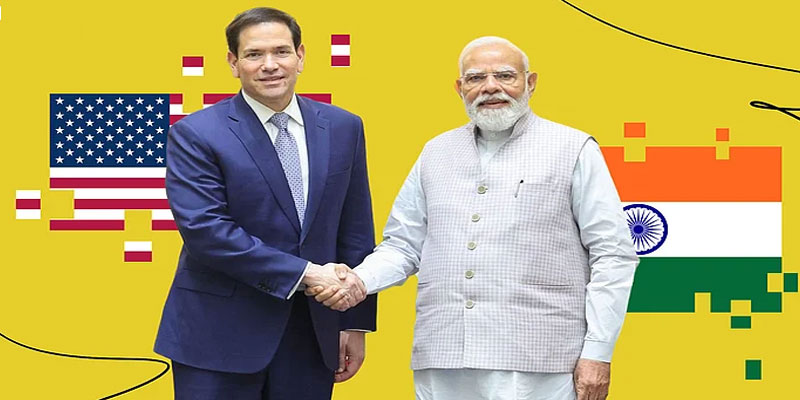
Signals from policymakers suggest India is recalibrating how it manages external buffers. A recent interaction involving the Reserve Bank of India drew notice because it aligned with a measurable reduction in holdings of United Statesgovernment bonds over the past year.
For generations, U.S. Treasuries functioned as the anchor of global finance. Their depth, liquidity, and perceived safety made them the default parking place for central-bank reserves and a foundation for cross-border markets.
Today, however, macroeconomic realities are more complex. Expanding sovereign debt, rapid shifts in monetary policy, and price volatility have introduced new calculations for reserve managers. While Treasuries still provide scale, the comfort premium they once commanded is thinner.
Sanctions and financial restrictions seen in recent geopolitical crises have also influenced thinking. Policymakers worldwide have been reminded that assets can be exposed to political leverage, not just market movements.
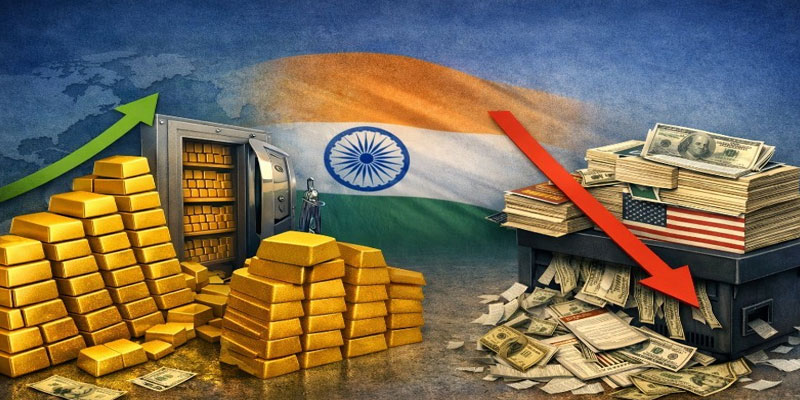
India’s approach appears evolutionary rather than confrontational. Purchases of bullion have climbed, lifting gold’s share in reserves and strengthening protection against currency or settlement disruptions.
Yet the dominance of the dollar endures. Trade invoicing, capital flows, and global funding mechanisms continue to rely heavily on U.S. markets, giving them resilience despite debate about alternatives.
Within groupings such as BRICS, conversations about local-currency trade and new payment channels are gaining traction, reflecting a desire for optionality.
The broader takeaway is strategic balance: diversify exposures, retain access to established systems, and prepare for a world where financial security is measured as much by flexibility as by yield.