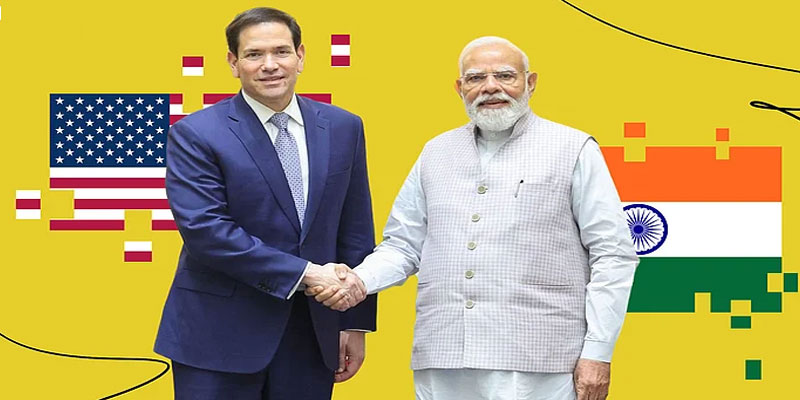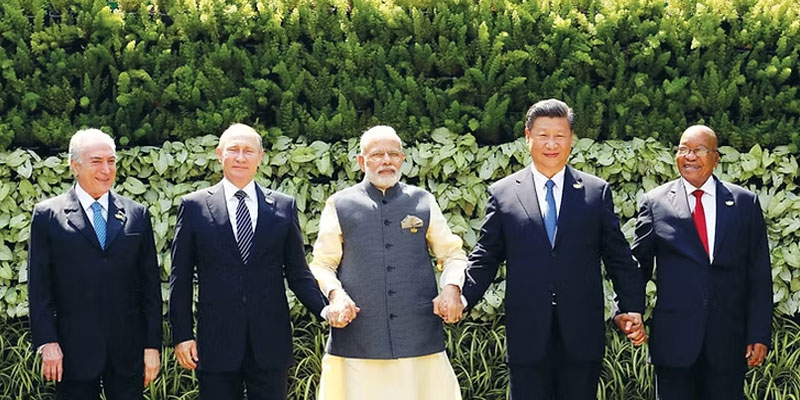
The statement presents a confident portrait of India as a country no longer defined by alignment but by agency. Rather than choosing sides, India is described as engaging simultaneously with competing power centres—dialogue with United States, legacy ties with Russia, economic rivalry with China, industrial collaboration with Japan, and cultural diplomacy across West Asia. The framing is deliberate: autonomy equals strength.
The rhetoric rejects the older narrative of emerging powers seeking inclusion in Western-led institutions. Instead, it argues India now shapes platforms, standards, and coalitions. This reflects New Delhi’s growing comfort in leading groupings of the Global South, digital public infrastructure partnerships, and supply-chain initiatives.
Economic performance is used to validate geopolitical ambition. A growth rate near 8% becomes proof that the model works. The contrast is sharp: while advanced economies slow, India accelerates.
By referencing stress in the U.S., stagnation risks in Europe, and debt concerns in China, the argument creates relative advantage. India may not be immune to global shocks, but it appears more resilient. Such messaging is also inward-looking. It reinforces belief among businesses and citizens that reforms, manufacturing drives, and technology investments are producing tangible outcomes.
Growth plus diplomacy equals leverage. If momentum continues, India gains bargaining power in trade, technology access, and security partnerships. Sustaining the narrative will require job creation, infrastructure delivery, and consistent capital flows. Confidence must keep matching performance.