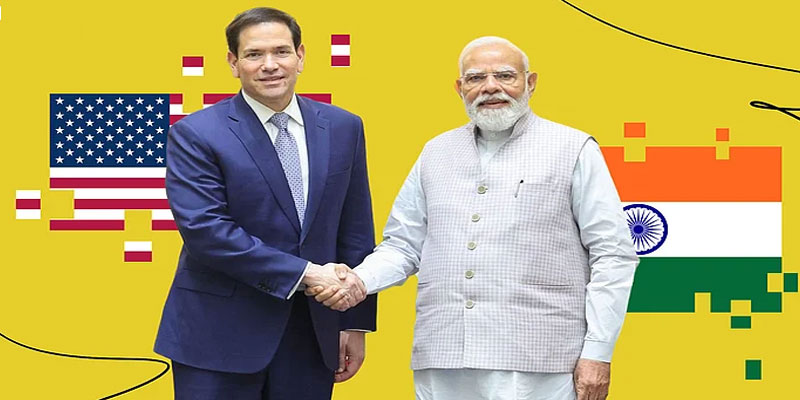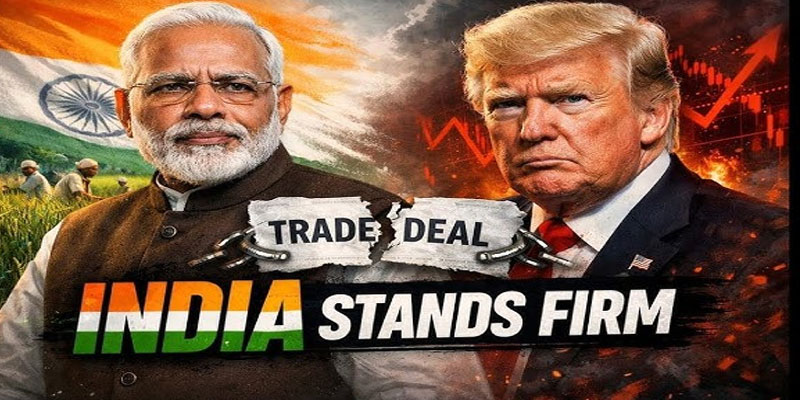
The recently announced interim trade agreement between the United States and India has been hailed by both governments as a diplomatic and economic milestone. Markets responded with optimism, buoyed by promises of enhanced bilateral trade, particularly in the technology and defense sectors. However, on the agricultural front, the deal has stirred discontent among India’s farming community.
One of India’s largest farmer unions has announced a nationwide protest this week, voicing concern that the government has conceded too much under pressure from Washington. Farmer leaders argue that while some crops have been protected, the broader implications of agricultural liberalization remain unclear.
According to government sources, the deal carefully excludes sensitive commodities such as wheat, rice, corn, and dairy—sectors critical to India’s food security and smallholder farmers. In a press briefing, officials claimed that Indian growers of basmati rice, spices, fruits, coffee, and tea will benefit from duty-free access to the US market, potentially boosting exports.
Yet, farmer groups remain skeptical. Citing past experiences with free trade agreements, they fear that increased exposure to global competition—even in niche crops—could disrupt domestic prices and empower agribusinesses at the expense of small farmers.
Experts from think tanks like the Centre for Policy Research note that while the deal avoids immediate threats, long-term structural impacts on rural livelihoods and price volatility cannot be dismissed.
As protests gain momentum, the government may be forced to further clarify the terms and protections built into the trade pact to reassure its rural base.