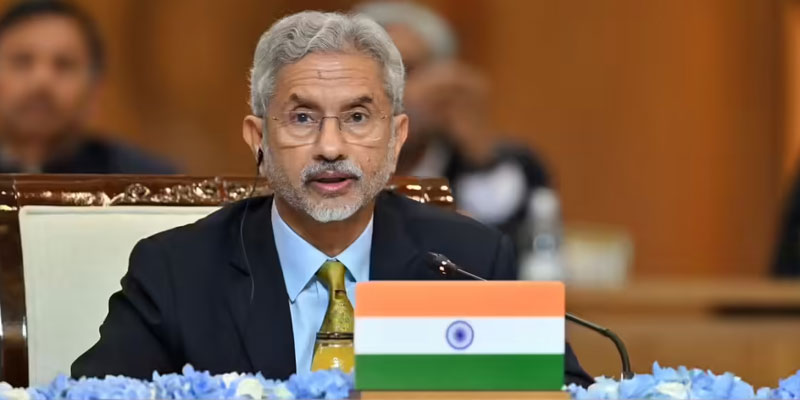
In a major diplomatic and financial milestone, India has been elected to the Vice-Presidency of the Financial Action Task Force (FATF) for the first time in its history. The development marks a significant recognition of India's growing role in shaping global efforts against money laundering, terrorist financing and other forms of financial crime. The appointment of senior Indian bureaucrat Vivek Aggarwal to the influential position reflects the country's increasing prominence in international financial governance and security frameworks.
Understanding FATF and Its Global Role
The Financial Action Task Force (FATF) is the world's leading intergovernmental body responsible for setting standards and promoting effective measures to combat money laundering, terrorist financing and threats to the integrity of the international financial system. Established by the G7 nations in 1989 and headquartered in Paris, FATF has emerged as the principal global watchdog overseeing financial transparency and accountability.
The organization develops recommendations that guide countries in strengthening legal, regulatory and operational mechanisms to prevent illicit financial flows. Its evaluations and monitoring processes carry significant weight, often influencing global financial credibility, investment confidence and international cooperation.
The FATF leadership structure consists of a President and a Vice-President, who work together to guide the institution's agenda and coordinate efforts among member countries. India's election to the vice-presidential post therefore represents entry into the organization's highest decision-making circle.
India’s Journey Within FATF
India became a full member of FATF in 2010 after years of engagement with the international anti-money laundering framework. Since then, New Delhi has consistently strengthened its domestic legal architecture through stricter financial regulations, enhanced intelligence-sharing mechanisms and stronger measures against terror financing.
Over the past decade, India has also actively contributed to global discussions on financial security, cross-border financial crimes and the disruption of terrorist funding networks. The country's election to the FATF Vice-Presidency signifies a transition from being an active participant to becoming a key contributor in shaping international policy and standards.
The development is widely seen as recognition of India's efforts to build a robust and credible framework against financial crimes while promoting international cooperation in combating emerging threats.
Vivek Aggarwal’s Professional Journey
The responsibility of representing India in this leadership role will be undertaken by Vivek Aggarwal, a 1994-batch Indian Administrative Service (IAS) officer from the Madhya Pradesh cadre. Currently serving as Secretary in the Ministry of Culture, Aggarwal has held several important administrative and policy positions during his distinguished civil service career.
Known for his experience in governance, public administration and institutional management, Aggarwal has contributed across diverse sectors of government. His election by the FATF Plenary at its Paris headquarters reflects both his professional credibility and the confidence reposed in India by member nations.
As FATF Vice-President for the term July 2026 to June 2027, he will assist the organization's leadership in advancing international efforts against money laundering and terrorist financing.
Strategic Significance for India
India's elevation to the FATF leadership comes at a time when financial crimes and terror financing networks are becoming increasingly sophisticated and transnational. The appointment enhances India's voice in shaping global regulatory standards and strengthens its capacity to advocate for stronger international action against illicit financial activities.
It also reinforces India's image as a responsible stakeholder in global governance and underscores international confidence in its financial security framework.
A Defining Moment in Global Financial Governance
India's election to the FATF Vice-Presidency represents more than a diplomatic success; it is a reflection of the country's growing influence in international policymaking and financial security. By securing a leadership position in the world's foremost anti-money laundering body, India has demonstrated both the maturity of its regulatory systems and its commitment to global cooperation. The appointment of Vivek Aggarwal symbolizes this achievement and positions India to play an even more consequential role in strengthening the international fight against financial crime and terrorism financing.
(With agency inputs)