New Delhi Reasserts Kashmir as Internal Matter
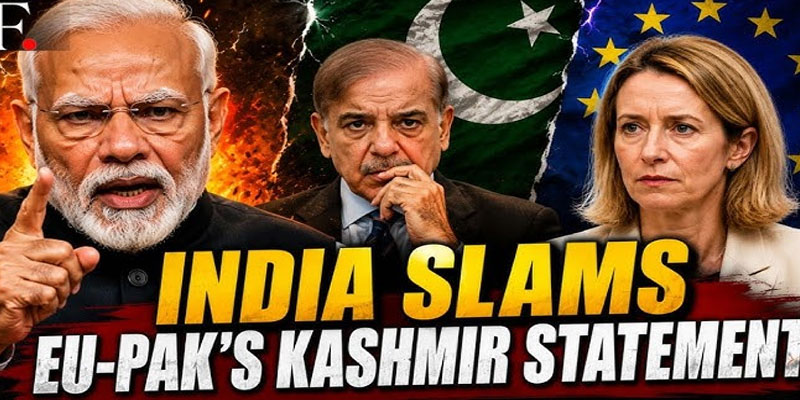
India sharply criticized Pakistan at a United Nations meeting after Islamabad raised the issue of Jammu and Kashmir during an Arria-formula session of the UN Security Council (UNSC). Responding firmly, New Delhi reiterated that Jammu and Kashmir, along with Ladakh, are integral and inseparable parts of India and categorically rejected any attempt to internationalize what it described as a strictly internal matter.
The exchange once again highlighted the enduring diplomatic friction between India and Pakistan over Kashmir, while also underscoring India's broader push for reforms in the global governance system.
The Arria-Formula Meeting and Kashmir Reference
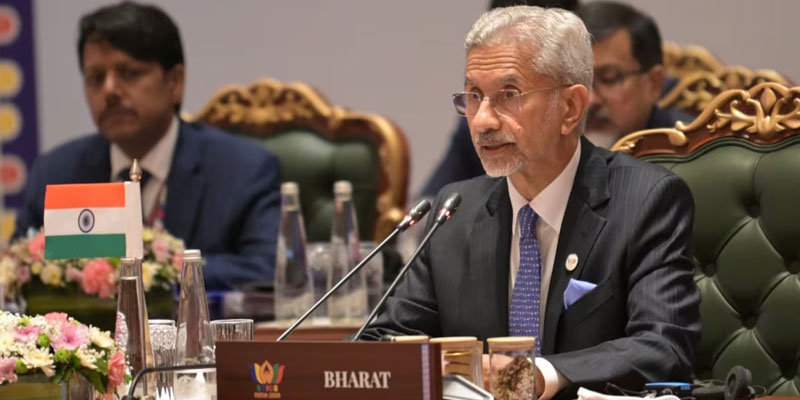
The latest dispute unfolded during an Arria-formula UNSC meeting titled “Bridging the Implementation Gap: Security Council Resolutions and the Maintenance of International Peace and Security.” The informal session was jointly convened by China and Pakistan.
During the discussion, Pakistan raised the Kashmir issue, prompting an immediate and forceful response from India. India's Permanent Representative to the UN maintained that Jammu and Kashmir and Ladakh are constitutionally and legally part of India, making any external commentary on the matter unwarranted.
New Delhi has consistently maintained that all issues related to Kashmir must be addressed bilaterally between India and Pakistan, without external mediation or intervention.
India’s Legal and Procedural Argument
A key aspect of India's response centered on the interpretation of the UN Charter. Indian representatives emphasized that the Charter provides distinct mechanisms for dispute resolution under Chapters VI and VII.
According to New Delhi, these provisions are meant to be applied only when legally relevant and should not be used as tools for routine political interventions in matters that sovereign nations consider domestic issues. By stressing these distinctions, India sought to reinforce its position that Kashmir does not warrant third-party involvement through UN mechanisms.
This legal framing reflects a broader Indian strategy of shifting discussions from historical political narratives toward procedural and institutional principles.
Recent Diplomatic Developments
Beyond rejecting Pakistan's remarks, India used the opportunity to renew its call for reform of the Security Council. New Delhi argued that UNSC mandates should undergo periodic review, drawing parallels with ongoing efforts to modernize other UN institutions.
India has long contended that the current structure of the Security Council no longer reflects contemporary geopolitical realities. As one of the world's largest economies and most populous nations, India continues to advocate for permanent membership in a reformed Council.
Diplomatically, India's strong response was aimed at preventing Pakistan from gaining traction on Kashmir in international forums while simultaneously advancing its broader agenda of institutional reform.
Strategic Implications for Regional Diplomacy
The episode demonstrates India's dual-track approach: defending its sovereignty claims on Kashmir while positioning itself as a proponent of modernizing global governance structures.
However, such confrontations also carry diplomatic risks. Repeated disagreements with Pakistan and countries aligned with its position, particularly China, could contribute to polarization within multilateral forums and complicate cooperation on other international issues.
Sovereignty, Strategy and Global Positioning
India's response at the UN was about more than just rebutting Pakistan's remarks. It reflected a carefully calibrated strategy that combines legal reasoning, diplomatic assertiveness and institutional reform advocacy. By firmly asserting that Jammu and Kashmir is an internal matter, New Delhi sought to close the door on external mediation while reinforcing its broader vision for a more representative and contemporary Security Council. The episode underscores how the Kashmir issue remains intertwined with India's larger foreign policy objectives and its quest for a greater role in global decision-making.
(With agency inputs)