India Begins Diplomatic Push for 2028–29 UNSC Membership
India has formally launched its campaign for a non-permanent seat on the United Nations Security Council (UNSC) for the 2028–2029 term, kicking off what is expected to be an intense diplomatic effort over the coming year. More than a bid for a two-year tenure, the campaign is being projected as an opportunity to reinforce India's growing global stature and its long-standing demand for comprehensive reforms of the UN's most powerful decision-making body. By combining its aspirations with the interests of the developing world, New Delhi hopes to strengthen its claim as a credible voice for equitable global governance.
Renewing the Case for a Reformed Security Council
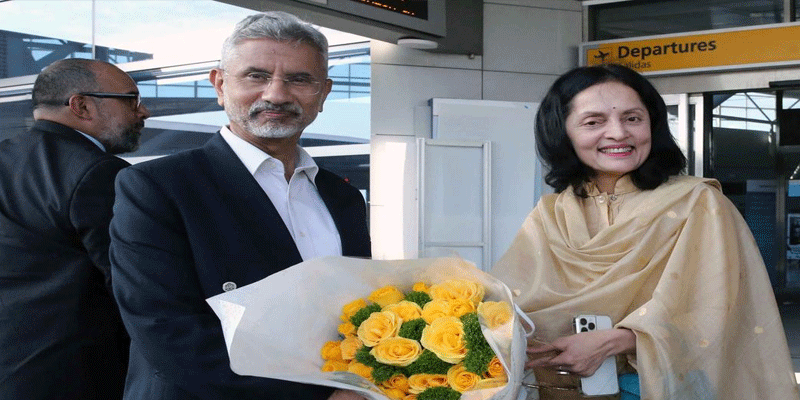
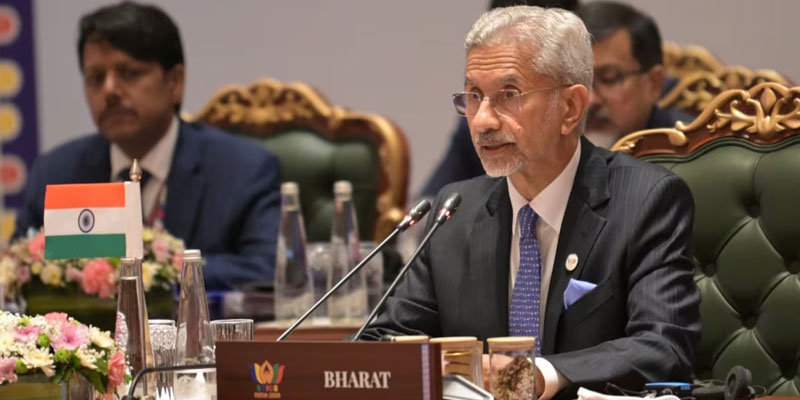
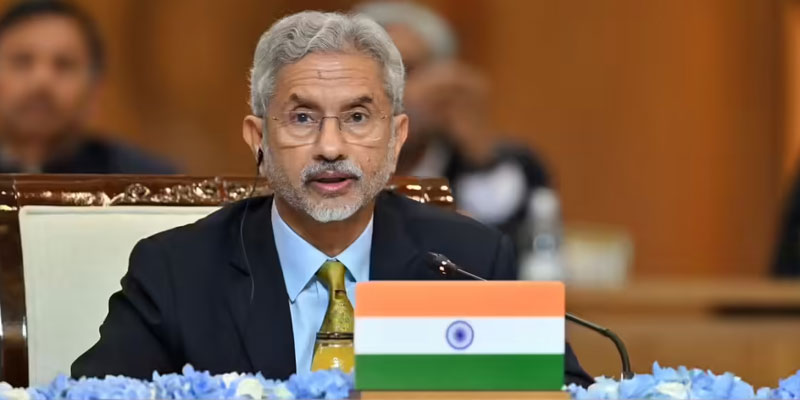
The campaign was formally inaugurated by External Affairs Minister S. Jaishankar during a special event at the United Nations Headquarters in New York, where he also held discussions with UN Secretary-General António Guterres. The launch highlighted India's campaign theme—"Peace, Planet, Progress"—under the broader guiding principle of "SHANTI," which seeks to integrate international peace, sustainable development and climate responsibility into a common diplomatic vision.
India's candidature builds upon a decades-old argument that the existing structure of the Security Council no longer reflects present-day geopolitical realities. As the world's most populous nation, one of the fastest-growing major economies and among the largest contributors to UN peacekeeping operations, India maintains that greater representation for developing countries is essential to enhance the legitimacy and effectiveness of global decision-making. New Delhi has consistently argued that reforms can no longer be postponed if the UN is to remain relevant in an increasingly multipolar world.
Jaishankar Leads India's Global Diplomatic Campaign
The formal launch of the campaign in New York transforms what is ordinarily a rotational election into a wider diplomatic exercise aimed at strengthening India's international influence. Jaishankar's direct leadership underscores that securing the 2028–29 seat is a high-priority foreign policy objective rather than a symbolic diplomatic engagement.
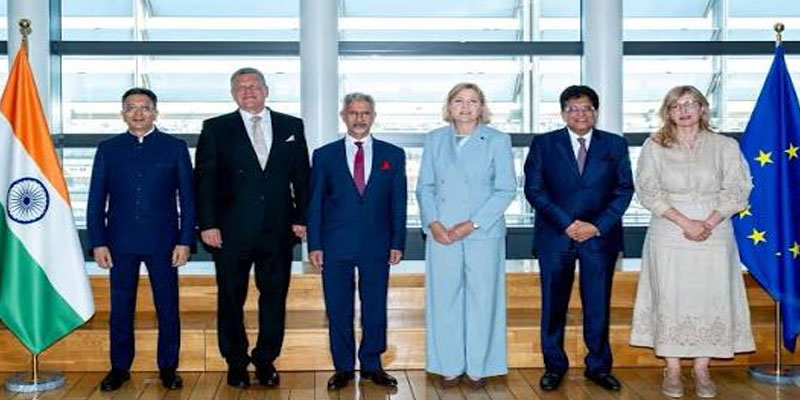
During the launch, India positioned itself as a bridge between developed and developing nations at a time when global institutions are facing unprecedented challenges arising from geopolitical conflicts, economic uncertainty and climate crises. Through sustained diplomatic outreach, New Delhi intends to build broad-based support among UN member states, particularly across Africa, Asia and Latin America, where its emphasis on South-South cooperation, development partnerships and inclusive multilateralism resonates strongly. The campaign also seeks to project India as a nation capable of balancing strategic interests with global responsibilities.
Strategic Significance Beyond the Two-Year Term
India views this campaign as far more than an effort to secure another non-permanent seat. It serves as an important stepping stone toward its long-standing aspiration for permanent membership of the Security Council. By highlighting issues such as peacekeeping, sustainable development, climate action and equitable representation, India is attempting to demonstrate that its growing global role contributes to strengthening, rather than challenging, the international rules-based order.
At the same time, the campaign reflects an evolving contest over leadership of the Global South. While India's economic scale, diplomatic partnerships and development initiatives provide significant advantages, success will depend on sustained coalition-building in a deeply divided multilateral environment where consensus on UNSC reform remains elusive.
A Campaign That Extends Beyond Elections
The coming months will determine whether India can translate its narrative of inclusive global leadership into concrete electoral support from regional blocs and influential swing states. Equally significant will be its ability to keep Security Council reform at the forefront of international discussions. A successful campaign would not only secure India's place on the UNSC for 2028–29 but also reinforce its broader claim that a more representative, accountable and effective United Nations is indispensable for addressing the complex challenges of the 21st century.
(With agency inputs)