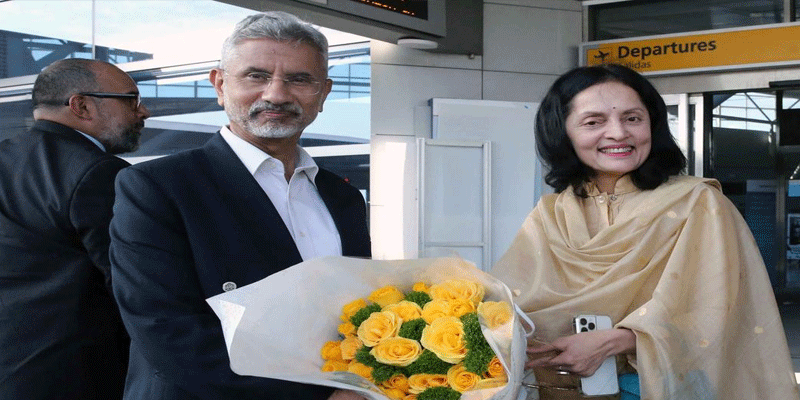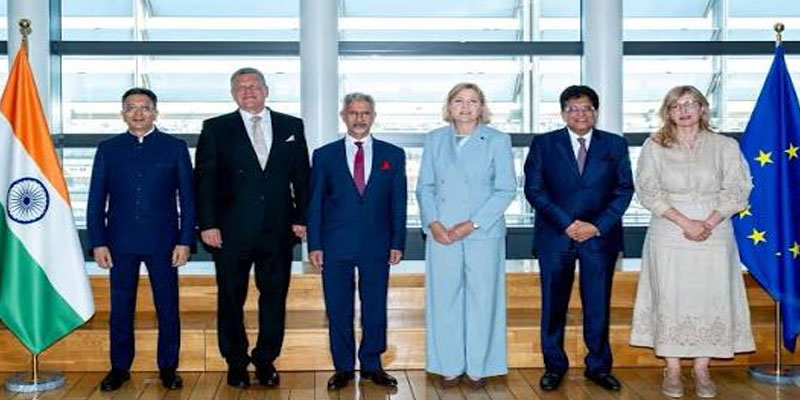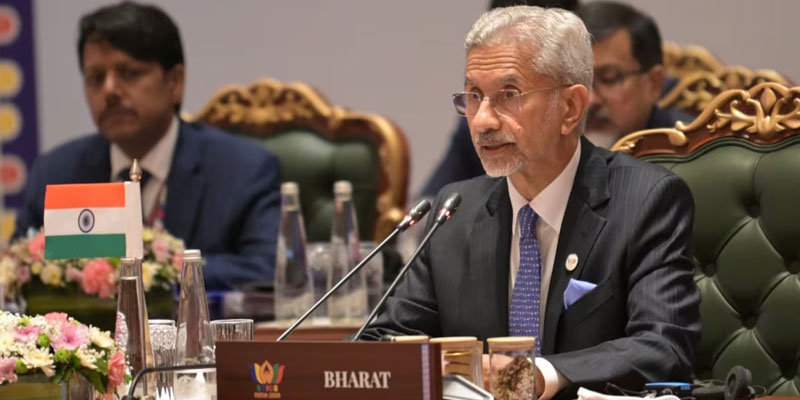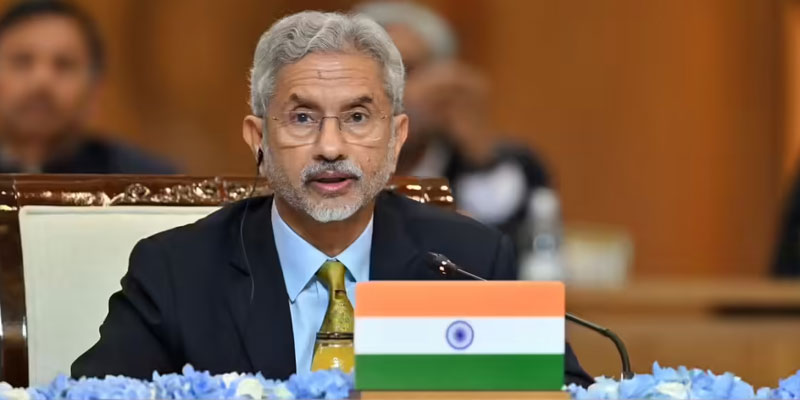
Hitting out at what he described as the double standards of Western nations, External Affairs Minister S. Jaishankar defended India’s decision to buy Russian oil after Moscow’s 2022 invasion of Ukraine, arguing that the purchases were initially encouraged by the United States itself to stabilise global energy markets. Speaking during a visit to Finland, Jaishankar sharply criticised the inconsistent approach of Western powers toward Russian energy trade and accused them of moralising issues selectively when politically convenient.
India’s Russian Oil Strategy After Ukraine War
India emerged as one of the largest buyers of discounted Russian crude after Western sanctions disrupted Moscow’s traditional energy exports. As the United States and European allies-imposed price caps and restrictions on Russian oil, India significantly increased imports to secure cheaper energy supplies for its fast-growing economy.
According to available estimates, Russian crude imports into India are expected to average nearly 1.9 million barrels per day in May. The discounted oil became an important component of India’s energy basket, helping the country shield itself from soaring global crude prices following the Ukraine conflict.
Jaishankar argued that these purchases were rooted purely in economic necessity and energy security rather than geopolitical alignment. He stressed that India’s decisions were guided by “costs, risks and availability” and not by external political pressure.
Jaishankar’s Criticism of Western Inconsistency
During his remarks in Finland, Jaishankar accused Western countries of applying selective standards when dealing with Russian energy. He pointed out that while India was criticised for buying Russian oil, European countries simultaneously adjusted their own sourcing patterns to suit domestic interests.
The minister said India had effectively stepped in to buy Russian oil partly because global powers wanted large consumers to prevent an international supply shock that could sharply increase fuel prices worldwide. He suggested that the West’s position changed repeatedly depending on strategic convenience.
Jaishankar particularly criticised the “on-and-off” nature of US sanctions and exemptions involving Russian oil. In March 2026, the White House had temporarily allowed Indian refiners to resume purchases from certain Russian entities through a 30-day waiver. Yet Washington later resumed pressure on countries continuing trade with Moscow.
Trade Tensions Between India and the US
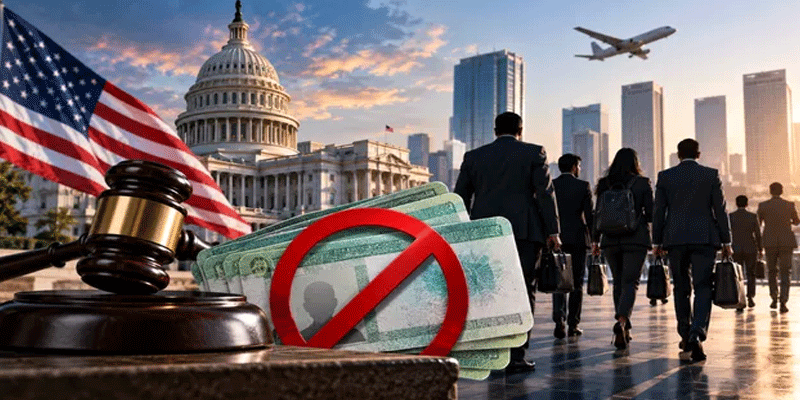
The Russian oil issue has also contributed to broader trade friction between India and the administration of Donald Trump. Last year, the United States imposed tariffs of up to 50 per cent on Indian goods, including an additional 25 per cent penalty linked specifically to India’s continued purchases of Russian crude.
Government representatives have also emphasised that India purchases oil from unsanctioned Russian entities and has ensured diversified supply arrangements to avoid disruptions.
Strategic Autonomy at the Centre
India’s position reflects a broader foreign policy doctrine centred on strategic autonomy. New Delhi has consistently resisted aligning fully with either Western sanctions policy or Russian geopolitical objectives. Instead, it has sought to balance economic interests, diplomatic flexibility and domestic energy needs.
Jaishankar’s remarks underline growing Indian frustration with what policymakers perceive as unequal global standards. While Western powers continue to prioritise their own strategic and economic interests, India argues that developing nations should not be expected to compromise energy security for geopolitical narratives shaped elsewhere.
A Debate Beyond Oil Politics
The controversy surrounding Russian oil purchases is no longer just about energy trade. It reflects a larger debate about sovereignty, global power structures and the right of emerging economies to pursue independent policies. By openly challenging Western inconsistency, India has signalled that its economic and strategic choices will increasingly be driven by national interests rather than external expectations.
(With agency inputs)