Renewed Momentum in Bilateral Trade Talks
India and the United States have reaffirmed their commitment to an early conclusion of their Bilateral Trade Agreement (BTA) during US Secretary of State Marco Rubio’s visit, signalling fresh momentum in negotiations that have faced months of friction over tariffs and energy ties. Both governments have expressed optimism, with Rubio indicating that only a small number of issues remain unresolved. However, the agreement has not yet been signed, and its final terms will determine the economic benefits for both countries.
Rebuilding Economic Confidence
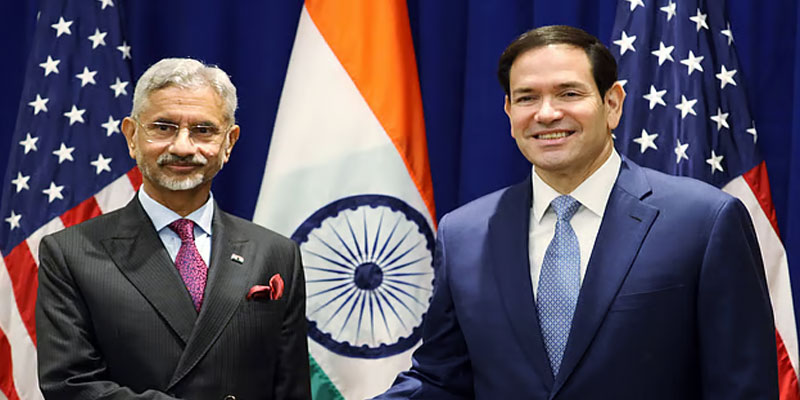
Rubio arrived in India on October 20 for a two-day visit at the invitation of External Affairs Minister S. Jaishankar. During their Mumbai meeting, the two leaders reviewed the India-US Comprehensive Global Strategic Partnership, covering trade, energy security, defence, technology and people-to-people cooperation.
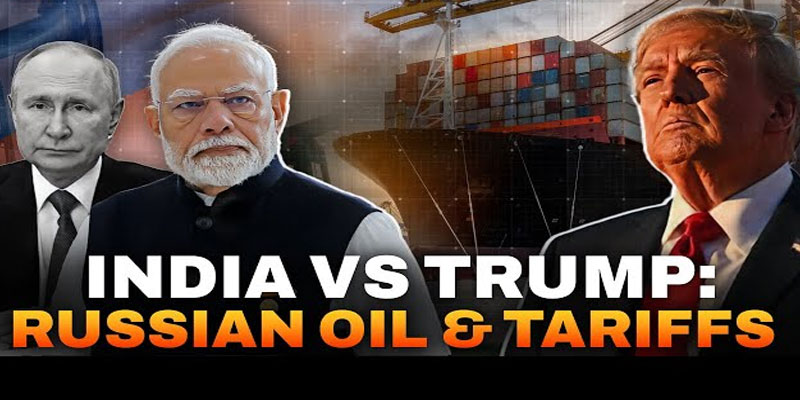
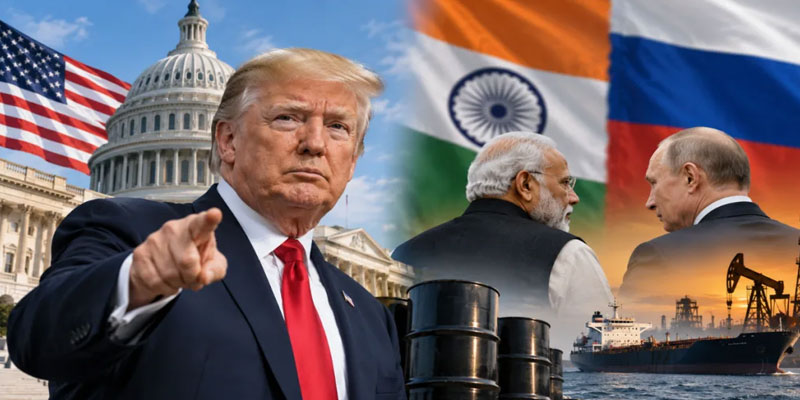
The discussions took place against a challenging backdrop. US tariff measures and India’s continued purchases of Russian crude have complicated economic negotiations, even as both countries seek deeper strategic cooperation in the Indo-Pacific region.
Only a Few Issues Remain
According to India’s Ministry of External Affairs, both sides welcomed progress in BTA negotiations and reiterated their commitment to an early conclusion.
Rubio described the negotiations as being close to completion, saying they were “about as close as you can be without having executed the agreement.” He also suggested that the remaining work could be completed in “weeks, not months,” although no formal signing date was announced.
The participation of Foreign Secretary Vikram Misri, US Ambassador Sergio Gor and senior officials underscored the importance both governments attach to resolving outstanding differences.
Energy, Tariffs and Strategic Interests
Energy emerged as a significant component of the discussions. Washington wants India to increase purchases of American energy and technology, while also encouraging Reliance Industries to process more Venezuelan crude. These proposals reflect US efforts to influence global energy flows and reduce India's dependence on Russian oil.
India, meanwhile, must balance its relationship with Washington against affordability, energy security and strategic autonomy. Any commitments on energy imports will depend on commercial competitiveness, reliable supplies and the country's wider economic interests.
What Everyone Needs to Know
· The deal is not final: Political optimism indicates progress, but unresolved issues must be settled before an agreement can be implemented.
· Tariffs remain crucial: The final package could improve market access for exporters and businesses, depending on the concessions negotiated by both sides.
· Multiple industries could benefit: Agriculture, pharmaceuticals, electronics, industrial goods and services could gain from reduced trade barriers or clearer market-access rules.
· Energy cooperation carries strategic weight: Greater American energy purchases could strengthen bilateral economic ties, but India will continue weighing costs and diversification needs.
· The partnership extends beyond commerce: Defence cooperation, critical technologies, education and mobility remain important pillars of the broader relationship.
For businesses, the immediate priority is to monitor the final agreement rather than assume that anticipated tariff reductions or concessions have already taken effect.
From Diplomatic Optimism to Tangible Economic Gains
The renewed momentum surrounding the India-US trade negotiations offers an opportunity to stabilise economic ties and unlock new avenues for investment and commerce. A balanced agreement could strengthen supply chains, expand export opportunities and reinforce cooperation between two major economies.
However, the outcome will depend on whether negotiators can resolve the remaining differences without compromising their countries’ core economic interests. The real measure of success will not be how quickly the agreement is announced, but whether its final provisions deliver durable, mutually beneficial growth.
(With agency inputs)