India–US Trade Pact Cuts Tariffs, Draws Red Lines on Farms and Dairy
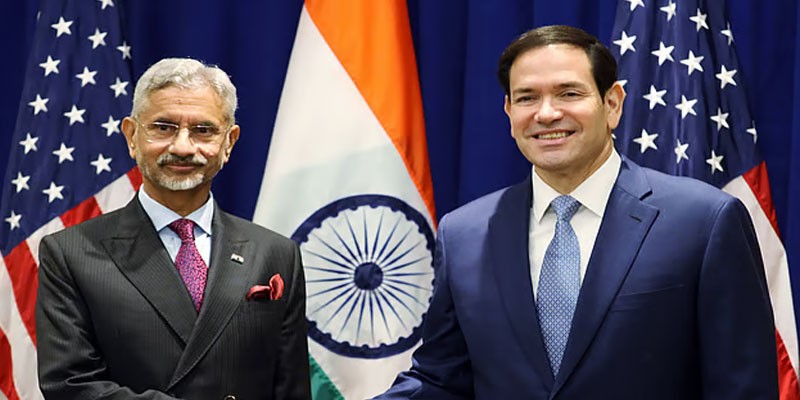
India has firmly protected its most sensitive sectors—agriculture and dairy—while clinching a long-negotiated trade agreement with the United States, Commerce and Industry Minister Piyush Goyal told Parliament. The deal brings down average US tariffs on Indian goods to 18%, a significant rollback from punitive levels imposed earlier, while, according to New Delhi, keeping farmers’ livelihoods and domestic food security outside the ambit of concessions.
Anatomy of the Trade Agreement
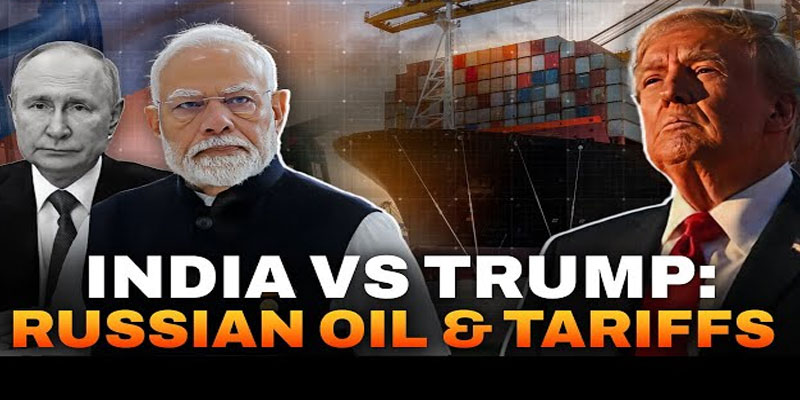
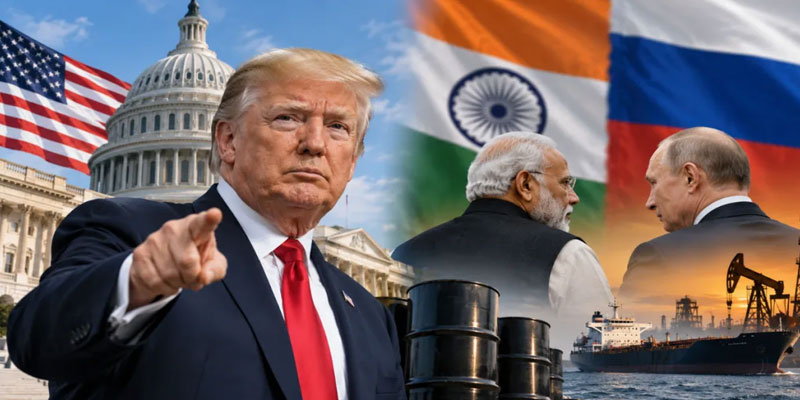
The India–US trade agreement is the outcome of nearly a year of negotiations that followed Prime Minister Narendra Modi’s visit to Washington in February 2025. Talks gathered pace after US tariffs on Indian products were raised sharply, at times touching 50%, amid wider geopolitical disagreements including India’s energy ties with Russia. The final understanding lowers tariff barriers for Indian exports, particularly in labour-intensive sectors such as textiles, leather, gems and jewellery, and engineering goods, alongside select manufacturing categories.
For India, the agreement promises improved access to its largest export market, relief for MSMEs hit by tariff uncertainty, and better integration with US supply chains. Officials argue the deal dovetails with long-term policy goals such as Make in India and Viksit Bharat 2047, even as procedural steps remain before formal rollout.
Piyush Goyal’s Assurance on Sensitive Sectors
Addressing concerns in the Lok Sabha, Piyush Goyal categorically stated that agriculture and dairy were kept out of the agreement. These sectors employ hundreds of millions and are politically and socially sensitive. According to the government, no tariff reductions or market access commitments have been offered to US agricultural or dairy products, preserving existing protections against imports that could undercut domestic producers.
Goyal rejected suggestions that India had agreed to zero-tariff regimes or large, binding purchase commitments. He maintained that negotiators focused on competitiveness for Indian industry while ring-fencing farmers’ interests, calling reports of sweeping concessions “speculative and misleading.”
Diverging Narratives from Washington
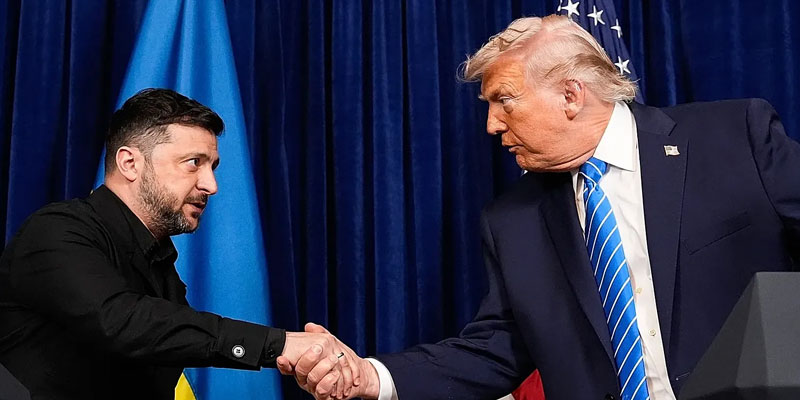
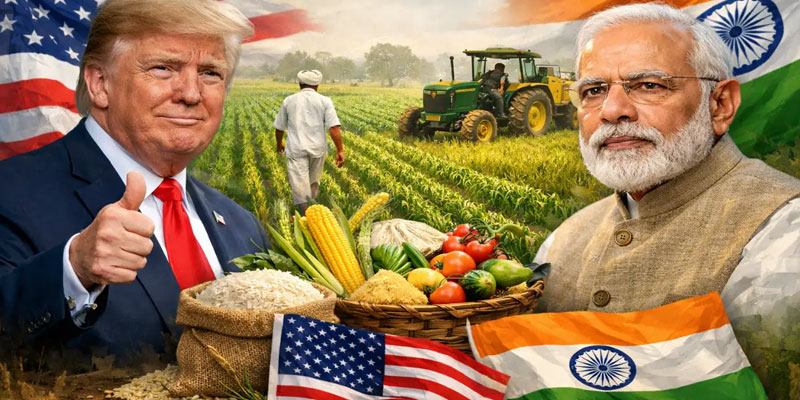
US President Donald Trump announced the tariff reduction as part of a broader reset, claiming India had agreed to remove barriers on US goods and expand purchases of American energy, technology and agricultural products. While India welcomed the tariff relief, it has stopped short of endorsing these additional claims, leading to confusion and political sparring at home.
The gap between the two narratives has fuelled demands for transparency, with critics warning that undisclosed commitments could surface later and affect vulnerable sectors.
What It Means for Indian Farmers and Dairy Producers
In direct terms, the government’s assurance suggests Indian farmers and dairy producers remain insulated from US competition. The exclusion of dairy is particularly significant given concerns over hormone-treated milk and large-scale US agribusiness practices. At the same time, some farm-linked segments could benefit indirectly: lower US tariffs may revive exports of rice, seafood and processed foods, offering higher realizations to certain producer groups.
Cheaper energy imports from the US could also stabilise input costs such as fertilisers, offering an indirect boost to agriculture without altering market access rules.
Trade Gains with Cautious Guardrails
The India–US trade deal reflects a calibrated approach—seeking export growth and strategic alignment with Washington while drawing firm boundaries around politically sensitive sectors. Whether the balance holds will depend on how faithfully the exclusions are honoured in implementation and future negotiations. For now, the agreement underscores India’s attempt to engage a major partner on its own terms, blending openness with protection where it matters most.
(With agency inputs)