Indian-Flagged Vessel Targeted, Crew Rescued
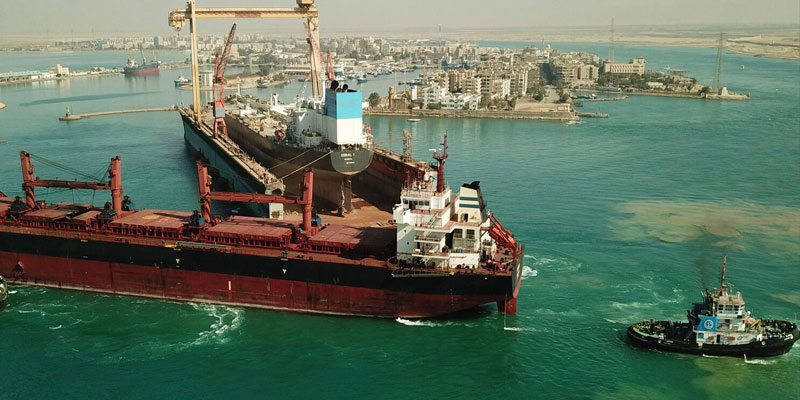
The latest attack on the Indian-flagged mechanised sailing vessel MSV Faize Noore Oliya in the Red Sea has once again highlighted the mounting dangers confronting Indian seafarers navigating one of the world's most volatile maritime corridors. The vessel was struck by a projectile about 13 nautical miles south of Yemen's Houthi-controlled port of Hodeidah, causing it to sink. All 14 crew members, including 13 Indian nationals, were rescued safely following a coordinated operation. India strongly condemned the attack, with the Ministry of External Affairs describing the targeting of commercial shipping and civilian mariners as unacceptable and reiterating the need to ensure the safety of international maritime trade.
A Strategic Waterway Turned Conflict Zone
The Red Sea and the Bab el-Mandeb Strait are among the world's busiest shipping routes, linking Europe with Asia through the Suez Canal. Since the outbreak of wider regional hostilities, commercial vessels have increasingly become targets of missile, drone and projectile attacks by armed groups operating from Yemen. These attacks have forced shipping companies to reroute vessels around the Cape of Good Hope, significantly increasing voyage times, freight costs and insurance premiums. Recent reports also indicate that some oil tankers carrying crude to India temporarily switched off tracking systems while transiting the Red Sea to reduce security risks, underscoring the deteriorating maritime environment.
A Pattern of Repeated Attacks
The latest incident is not an isolated one. Since late 2023, several merchant vessels with Indian crew members or commercial links to India have come under attack in the Red Sea and nearby waters. Previous attacks on merchant ships, including bulk carriers and oil tankers, prompted multinational naval rescue missions and renewed calls for enhanced maritime security. India has also expanded naval deployments under its maritime security missions, while maintaining close coordination with regional partners to protect Indian-flagged and Indian-crewed vessels operating in high-risk waters.
Human Cost Beyond Headlines
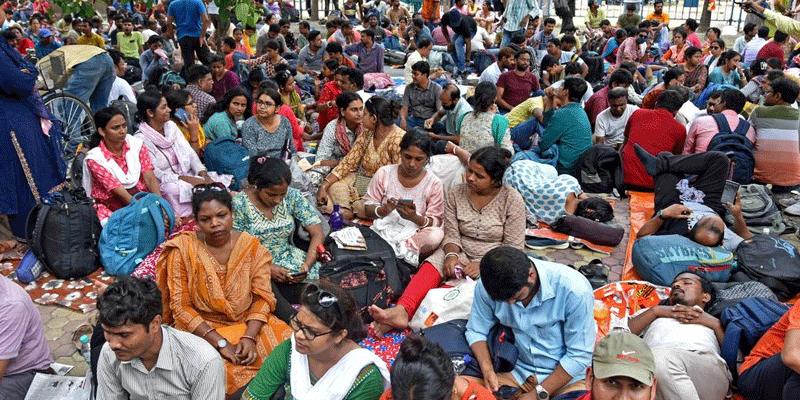
Even as the crew of MSV Faize Noore Oliya escaped safely, another tragedy continues to haunt India's maritime community. Families of Indian seafarers killed during the ongoing West Asia conflict are still seeking justice and accountability. Despite diplomatic engagement by New Delhi and repeated assurances that the safety of civilian mariners remains a priority, bereaved families continue to demand transparent investigations, compensation and international accountability for attacks that claimed the lives of their loved ones. Their struggle reflects the emotional and legal challenges faced by thousands of Indian seafarers who work aboard foreign and Indian vessels in conflict-prone waters.
Maritime Security Demands a Global Response
The rescue of the crew is a welcome success, but it also underscores a larger strategic concern. India supplies nearly one-fifth of the world's seafarers and depends heavily on uninterrupted maritime trade for its energy and commerce. As geopolitical conflicts increasingly spill into international shipping lanes, protecting civilian vessels can no longer remain the responsibility of individual nations alone. Stronger international naval coordination, stricter enforcement of maritime law and sustained diplomatic efforts are essential to safeguard global trade routes. For India, the latest Red Sea attack is not merely a shipping incident—it is a reminder that the security of its seafarers is inseparable from its broader economic and strategic interests.
(With agency inputs)