The All-India Trinamool Congress is confronting one of the most turbulent phases in its political history after suffering defeat in the 2026 West Bengal Assembly elections. The crisis has rapidly intensified with three Rajya Sabha MPs resigning within a week, nearly 60 MLAs rebelling against the leadership, and a large section of Lok Sabha MPs reportedly considering support to the BJP-led NDA. The developments have triggered intense speculation over the future of the party and even rumours of a possible rapprochement with the Indian National Congress.
Election Defeat Sparks Internal Unrest
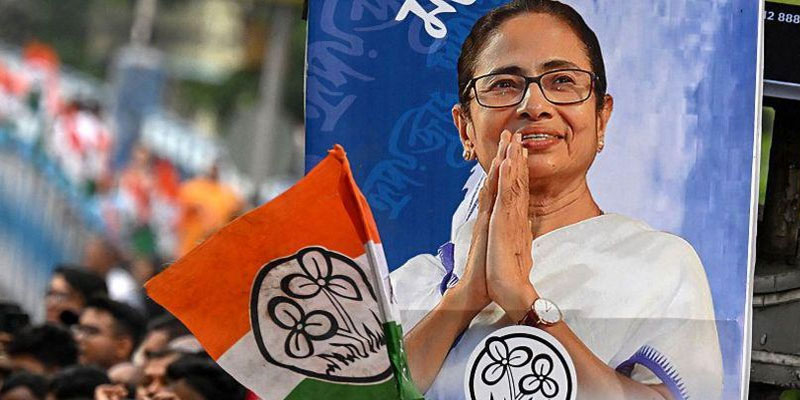
The turmoil began after the TMC lost power in West Bengal following 15 years in office. Mamata Banerjee refused to step down immediately, claiming the electoral verdict was “not a people’s mandate but a conspiracy.” The statement created political uncertainty and deepened dissatisfaction within sections of the party.
Many leaders viewed the response as a failure to acknowledge the electoral setback, triggering questions about leadership accountability and the party’s future direction. The discontent soon translated into open rebellion across both the Assembly and Parliament.
Three MPs Quit Within a Week
The first major shock came with the resignation of Rajya Sabha MP Manas Bhunia in early June. He was followed by Sushmita Dev on June 10, who reportedly cited the difficulty of “sailing in two boats.” A day later, Rajya Sabha MP Prakash Chik Baraik also resigned, adding that “time will tell” whether he would join the BJP.
Assembly and Parliamentary Rebellion
The crisis deepened further in the West Bengal Assembly when Speaker Rathindra Nath Bose recognised 58 rebel TMC MLAs as the principal Opposition bloc. The legislators rejected Mamata Banerjee’s choice of Suvendeb Chatterjee as Leader of Opposition and instead backed Ritabrata Banerjee.
The rebellion gained additional significance after Cabinet Minister Dilip Ghosh joined the dissident faction. Simultaneously, reports emerged that 20 out of TMC’s 28 Lok Sabha MPs were preparing to form a separate bloc and extend support to the NDA government.
The rebel MPs, led by Barasat MP Kakoli Ghosh Dastidar, reportedly met senior BJP leaders, including Union Minister Bhupendra Yadav and West Bengal leader Suvendu Adhikari, signalling a possible realignment in national politics.
Merger Speculation and Political Calculations
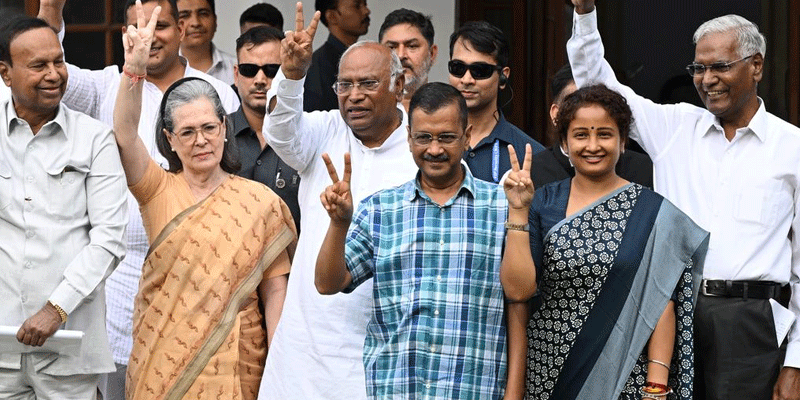
Amid the escalating turmoil, TMC National General Secretary Abhishek Banerjee met Congress leader Rahul Gandhi in Delhi to explore stronger political coordination. Earlier, Mamata Banerjee also met Sonia Gandhi, fuelling speculation about a possible TMC-Congress merger.
However, both parties publicly denied such reports. Senior TMC leaders dismissed the rumours as baseless, while Congress leader Jairam Ramesh clarified that no merger proposal was under consideration.
Uncertainty Looms Over TMC’s Future
The scale of rebellion within the TMC reflects more than temporary dissatisfaction; it signals a profound leadership and organisational crisis. With defections spreading across the Assembly and Parliament, the party faces the possibility of fragmentation that could permanently reshape West Bengal’s political landscape. Whether Mamata Banerjee can restore unity or whether the crisis accelerates a broader political realignment will determine not only the future of the TMC but also the balance of opposition politics in India.
(With agency inputs)