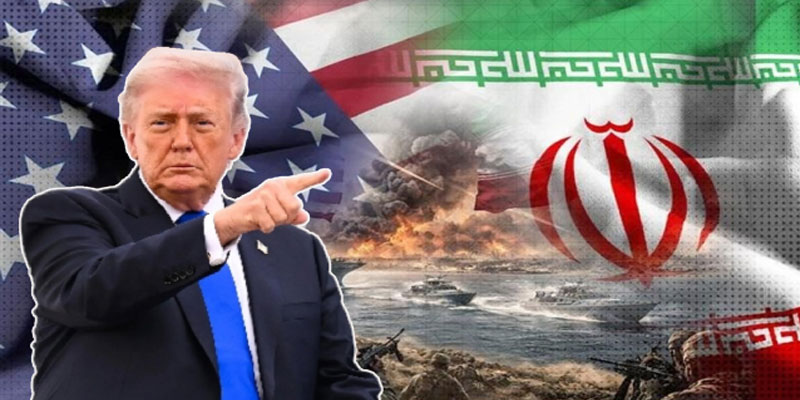
US President Donald Trump has warned that Iran could face “very Draconian sanctions” while simultaneously arguing that the Strait of Hormuz is no longer as strategically indispensable as it once was. His remarks mark the latest escalation in Washington's pressure campaign against Tehran, combining threats of unprecedented economic punishment with claims that the United States has reduced global dependence on the world's most critical energy chokepoint. The statements come as competing narratives from Washington and Tehran continue to shape the fallout from their recent military confrontation.
From Military Clash to Economic Pressure
The current standoff traces its roots to the brief but intense US-Iran military conflict earlier this year, which sharply heightened tensions across West Asia. Following the exchange of strikes, Iran moved to restrict shipping through the Strait of Hormuz, while the United States responded by imposing a naval blockade on vessels bound for Iranian ports.
The confrontation quickly evolved beyond military action into an economic contest. Washington sought to pressure Tehran into reopening the waterway and curbing its nuclear and regional activities, while Iran attempted to use disruptions in one of the world's busiest energy routes as leverage against American pressure.
Trump's Toughest Warning Yet
According to the US President, Tehran now faces two choices: reach an agreement that could stabilize markets and lower oil prices, or confront an expanded campaign of sanctions, economic isolation and continued maritime pressure.
The warning reinforces Washington's long-standing “maximum pressure” approach, signalling that additional penalties—including secondary sanctions targeting countries doing business with Iran—remain under consideration.
Downplaying Hormuz's Strategic Leverage
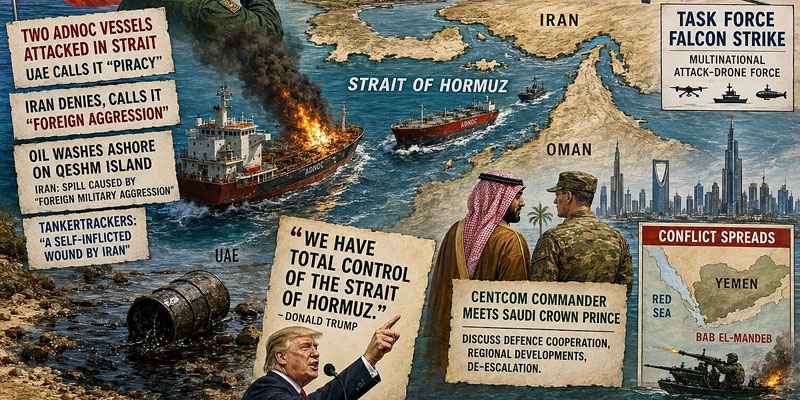
He argued that rising US energy production, alternative export routes and expanding pipeline networks have reduced the world's dependence on the narrow waterway. According to his assessment, even if shipping slows, Hormuz no longer represents the existential vulnerability it once posed to global energy markets.
The argument appears designed to reassure domestic audiences and financial markets that prolonged tensions need not translate into sustained energy shocks.
Conflicting Narratives Over Shipping
Trump also claimed that the US naval blockade has been “100% successful,” asserting that vessels continue to pass through Hormuz while Iranian-bound shipping has effectively been halted.
However, independent reporting paints a more complicated picture. Commercial traffic through the strait has reportedly slowed significantly after recent attacks on shipping, with fewer vessels transiting during parts of August.
Iran has rejected Washington's claims altogether, insisting that the strait remains effectively blocked until its conditions are accepted, highlighting the widening information battle accompanying the military and economic confrontation.
A High-Stakes Contest Beyond the Strait
The latest exchange underscores that the US-Iran confrontation is no longer confined to missiles and naval deployments. It has become a contest over economic endurance, diplomatic messaging and control of global energy narratives. While Washington seeks to convince allies and markets that its pressure campaign can succeed without triggering an oil crisis, Tehran appears to be betting that prolonged disruption will eventually weaken international support for American strategy. As both sides harden their positions, the future of the Strait of Hormuz remains less about geography than about who can sustain pressure the longest without provoking a wider regional conflict.
(With agency inputs)