A Stunning Electoral Rebuke to Trump
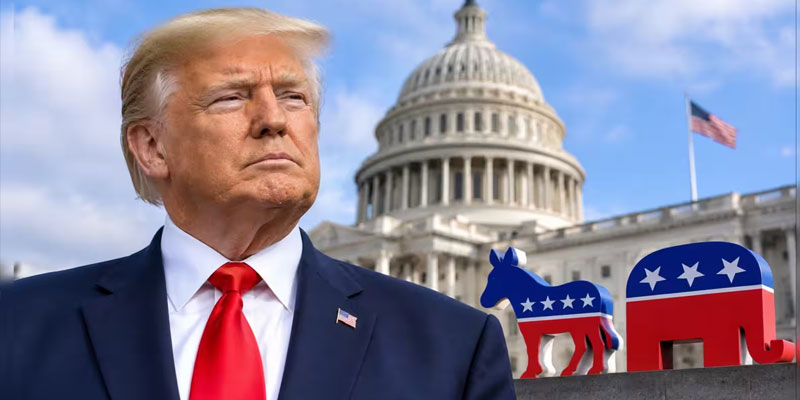
US President Donald Trump has said that he is “willing to accept results” as Democrats gain a majority in both the Senate and the House of Representatives, delivering a significant political setback to his second-term administration. The November 3, 2026, midterm elections have emerged as a powerful rejection of his political leadership, with voters expressing frustration over rising living costs, controversial tariffs and the US war against Iran.
Why These Elections Mattered
All 435 House seats and 35 Senate seats were contested. Republicans entered the elections controlling both chambers, while Democrats needed four additional Senate seats and three House seats to regain congressional control.
The campaign largely revolved around economic dissatisfaction. Rising consumer prices, expensive fuel, housing costs and concerns about household finances overshadowed several other political issues.
Democrats Turn Voter Anger into Electoral Gains
· North Carolina: Democrat Roy Cooper defeated Republican Michael Whatley.
· Georgia: Jon Ossoff retained his Senate seat, strengthening Democratic representation.
· Other battlegrounds: Democrats secured important victories in Texas, Kansas, South Carolina and Ohio.
Reuters reported that Democrats were projected to control both congressional chambers, marking a sweeping reversal of Republican fortunes. The victories in states previously considered favourable to Trump underline the scale of the political backlash.
The Cost-of-Living Crisis Behind Trump's Defeat
Economic dissatisfaction proved decisive. According to a Reuters/Ipsos survey, 48% of registered voters identified the cost of living as their top electoral issue. Nearly half of respondents also said their household finances had deteriorated since Trump returned to office.
The principal factors included:
· Tariffs: Import duties increased pressure on businesses and consumers, undermining Trump's economic promises.
· Iran war: The conflict contributed to higher fuel prices and intensified concerns about America's overseas military involvement.
· Inflation: Rising grocery, housing and energy expenses weakened public confidence in the administration's economic management.
Political priorities: Democrats argued that Washington was concentrating on foreign conflicts and political projects rather than ordinary Americans' financial difficulties.
Trump's Reaction: Acceptance with Political Defiance
Trump initially expressed willingness to accept the election results and work with Democrats. However, he subsequently attempted to distance himself from the Republican losses through a Truth Social post: “I wasn’t on the Ballot and if I was, we would have won IN A LANDSLIDE!”
His response reflected an effort to minimise personal responsibility for the setback. Nevertheless, the results raise serious questions about his political influence and the effectiveness of his campaign strategy.
Political Reactions and Market Concerns
The outcome triggered sharply contrasting reactions. Former Obama adviser Van Jones described it as “the repudiation of Trumpism that people have been hoping for”, while a Republican strategist characterised the night as “apocalyptic” for the GOP.
Internationally, the results attracted attention because of their implications for American foreign policy, particularly the Iran conflict. However, prominent official reactions from foreign governments were not immediately reported.
Financial markets also faced uncertainty, with investors assessing the implications of Democratic congressional control for trade, government spending and geopolitical policy.
What Changes for Trump Now?
Democratic control of Congress could significantly restrict presidential powers in practice. From January 2027, Democrats will have greater authority to:
· Lead congressional committees and launch investigations.
· Exercise subpoena powers and scrutinise administration decisions.
· Block or delay judicial and senior executive nominations through the Senate.
· Challenge Trump's spending priorities, tariffs and Iran policy.
Trump, however, retains presidential veto powers, meaning legislative confrontations could become increasingly frequent.
A Political Warning Trump Cannot Ignore
The midterm verdict is more than a congressional power shift; it is a warning about the political consequences of economic dissatisfaction. Although Trump remains president, losing Congress would substantially weaken his ability to govern without opposition. The bigger challenge now is whether Democrats can translate electoral gains into meaningful economic relief. For Trump, the message is unmistakable: presidential authority and political popularity are not the same, and voters have demonstrated their willingness to impose a heavy electoral price when their everyday concerns remain unanswered.
(With agency inputs)