Fixed Stay Limits Replace Flexible Visa System
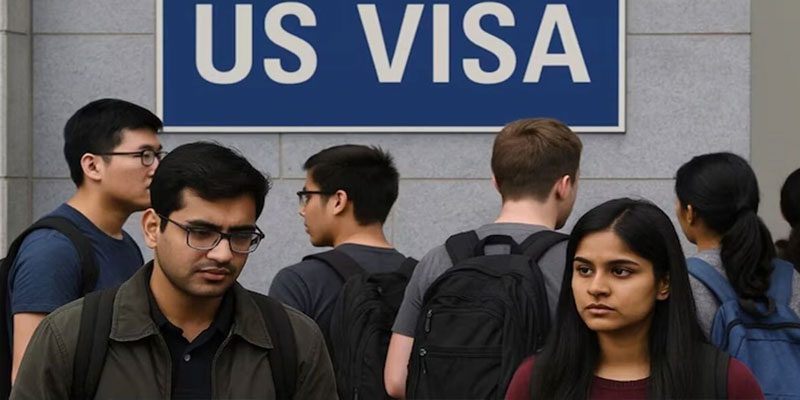
The United States is tightening visa rules that will bar foreign students and exchange visitors from staying in the country for longer durations without additional approvals. Under the new framework, the long-standing "duration of status" system for F, J and I visa holders will be replaced with fixed periods of stay, requiring many applicants to seek formal extensions if their programmes exceed the prescribed limits. India has expressed concern over the changes and has begun engaging with US authorities to minimise the impact on Indian students and other genuine travellers.
What Has Changed in the US Visa Policy?
For decades, most foreign students (F visas), exchange visitors (J visas) and foreign media representatives (I visas) were admitted under the "duration of status" system, allowing them to remain in the US as long as they complied with the conditions of their academic programme or professional assignment. Their stay was linked to programme completion rather than a fixed expiry date.
However, on July 16, 2026, the US Department of Homeland Security (DHS) issued a final rule abolishing this arrangement. The administration argued that the existing system created a "duration of status loophole" that could facilitate visa abuse, overstays and inadequate monitoring of long-term non-immigrant residents.
Key Features of the New Framework
Under the revised rules, F-1 students and J-1 exchange visitors will be admitted only for the duration of their academic or exchange programme, subject to a maximum stay of four years per admission. They will also receive a 30-day grace period before the programme begins and another 30 days after completion.
The policy also reduces the post-completion grace period for F-1 students from 60 days to 30 days, leaving less time to transfer institutions, change visa status or make departure arrangements.
For I-visa holders, including foreign media personnel, the maximum stay will generally be limited to 240 days, with an option for one extension of similar duration. Certain categories, including some foreign journalists, may face even shorter admission periods.
India's Response and Diplomatic Outreach
India, one of the largest sources of international students in the United States, has formally raised concerns over the revised rules. The Ministry of External Affairs (MEA) has said New Delhi is engaging with US authorities to ensure that genuine students, researchers and exchange visitors are not subjected to unnecessary hardship.
The government is focusing on facilitating smoother extension procedures, particularly for students pursuing PhDs, integrated courses and other long-duration academic programmes that could exceed the new four-year cap. Officials are also coordinating with universities and Indian student communities to provide consular assistance and guidance.
Implications for Indian Students
The new policy makes immigration planning significantly more important. Students enrolled in programmes lasting beyond four years will now have to apply for extensions through the US Citizenship and Immigration Services (USCIS), adding costs, paperwork and the risk of processing delays.
The shorter 30-day grace period also narrows the window available for changing institutions, applying for another visa category or completing post-study formalities. Exchange visitors and journalists may similarly face shorter assignments and increased administrative requirements.
A New Reality for Global Academic Mobility
The revised visa framework reflects the US administration's emphasis on stricter immigration enforcement and closer monitoring of long-term non-immigrant stays. While aimed at preventing misuse of the visa system, the policy also introduces greater uncertainty for genuine students and scholars. For India, the issue is unlikely to disrupt the broader strategic partnership with the United States, but it adds a new layer of complexity to educational and people-to-people ties. As the rules come into effect, careful planning, timely compliance and sustained diplomatic engagement will be essential to ensure that academic mobility continues with minimal disruption.
(With agency inputs)