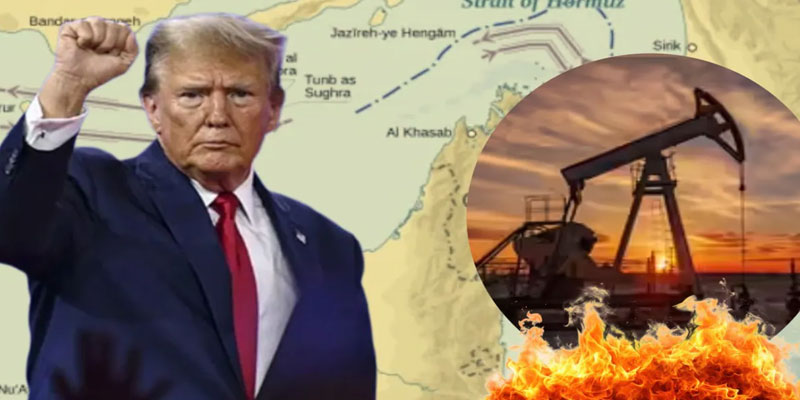
US Goes Solo After Allies Pull Back
Snubbed by key allies, President Donald Trump has declared that the United States will act unilaterally to secure the Strait of Hormuz, a vital global energy artery now effectively paralysed. His announcement follows failed efforts to build a multinational naval coalition, exposing growing divisions between Washington and its traditional partners amid an intensifying conflict with Iran.
From Airstrikes to Maritime Standoff
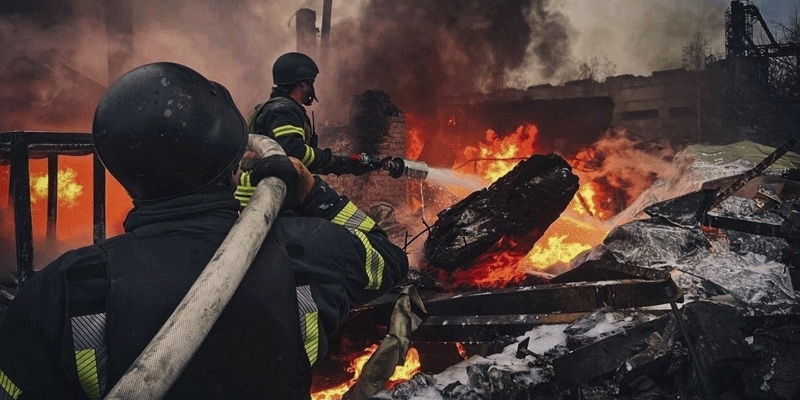
The current crisis traces back to late February, when US-led strikes targeted Iranian missile and nuclear-linked facilities, triggering a sharp escalation. In retaliation, Iran deployed drones, missiles, and fast-attack boats to disrupt tanker movement through Hormuz—a narrow but crucial passage handling nearly one-fifth of global oil trade.
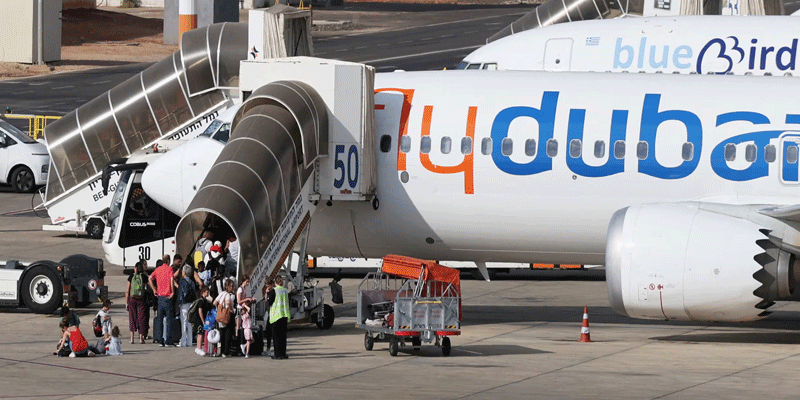
Within weeks, the waterway descended into chaos, with dozens of vessels stranded or rerouted. Oil prices surged past $110 per barrel, sending shockwaves through global markets and intensifying pressure on energy-dependent economies.
Trump’s Coalition Bid Falls Flat
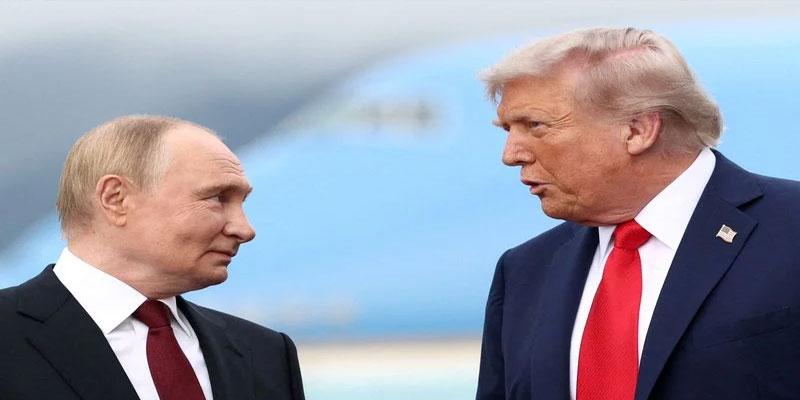
Over a crucial weekend push, Trump reached out to major global powers—including United Kingdom, France, Germany, Japan, South Korea, Australia, and even China—urging them to join a naval coalition to reopen the strait.
However, the response was underwhelming. Germany, Japan, and Australia effectively declined participation, citing domestic constraints and fears of escalation. The UK and France signalled caution, preferring diplomatic routes over military engagement, while China remained non-committal despite its heavy reliance on Hormuz oil flows.
Despite Trump’s claims that “numerous nations” were willing to join, no country has publicly confirmed participation as of now, leaving the coalition idea stalled.
Who Is Actually Onboard?
In reality, no nation has formally committed to joining Trump’s proposed Hormuz coalition. While consultations continue among Western allies, the absence of concrete pledges highlights a broader reluctance to be drawn into a direct confrontation with Iran.
This lack of support underscores a shift in global strategic priorities. Many countries, already grappling with economic pressures and geopolitical uncertainty, appear unwilling to risk deeper military entanglement in a volatile region.
Strategic Stakes and Global Fallout
The implications of a solo US operation are significant. While the United States retains unmatched naval capabilities, acting alone places immense strain on its military resources, already stretched across multiple regions.
For Iran, the situation presents an opportunity to exploit asymmetric tactics—targeting dispersed assets and prolonging disruption without engaging in full-scale war. Meanwhile, global markets remain on edge, with rising oil prices threatening inflation and economic stability worldwide.
A High-Risk Solo Strategy
Trump’s decision to go it alone in the Strait of Hormuz marks a defining moment in the crisis. It reflects both America’s military confidence and the growing reluctance of allies to follow its lead in high-risk conflicts.
While unilateral action may restore short-term navigation, the absence of a coordinated international response raises questions about sustainability and long-term stability. Ultimately, the Hormuz is no longer just a regional flashpoint—it is a test of global cooperation in an increasingly fragmented world.
(With agency inputs)