Trump Turns Down Putin’s Nuclear Proposal
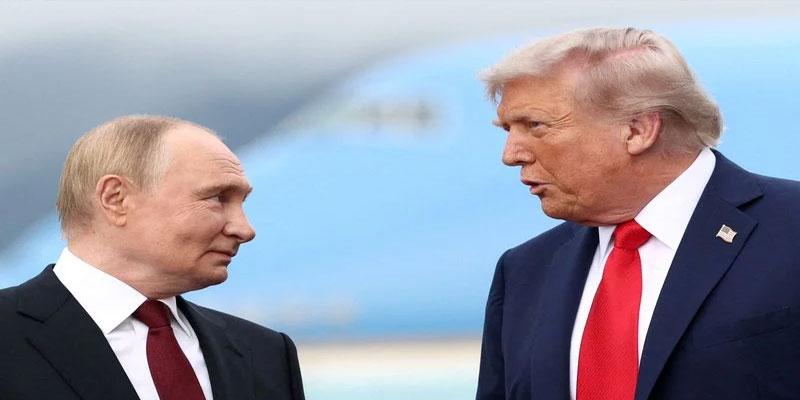
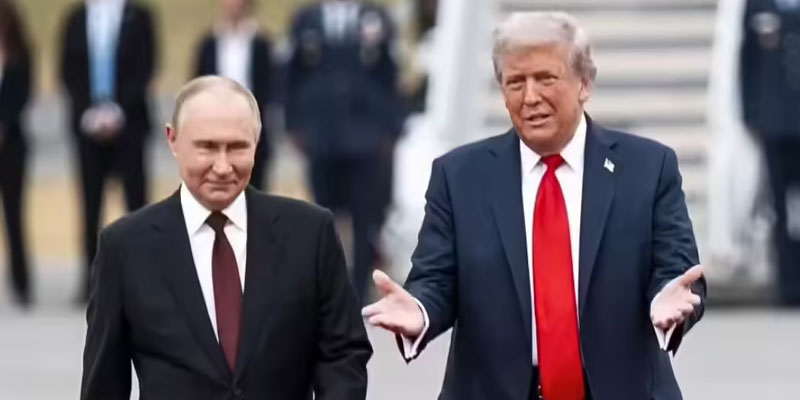
In a development highlighting the deep geopolitical tensions surrounding the Middle East conflict, Donald Trump has reportedly rejected a proposal from Vladimir Putin to transfer Iran’s enriched uranium stockpile to Russia.
According to media reports, the suggestion emerged during a phone call between the two leaders earlier this week. The idea was presented as part of a possible diplomatic pathway to de-escalate the ongoing war involving Iran, the United States and Israel. However, Washington quickly dismissed the proposal, underscoring its insistence on strict control over Tehran’s nuclear capabilities.
What Putin Proposed
Reports indicate that Putin suggested Russia could take custody of Iran’s stockpile of uranium enriched to about 60 percent purity. This material is highly sensitive because, if further enriched, it could theoretically produce fuel for multiple nuclear weapons.
By relocating the stockpile to Russian territory, Moscow’s proposal aimed to remove the immediate proliferation risk while creating diplomatic space for negotiations. In theory, the move would have allowed Iran to claim that it no longer possessed large quantities of highly enriched uranium, while the international community would gain assurance that the material was no longer directly accessible to Tehran.
Similar ideas have occasionally surfaced in past nuclear diplomacy discussions. However, they have never gained traction because of disagreements over oversight, verification, and the political implications of entrusting such material to another major power.
Why Washington Rejected the Plan
The Trump administration reportedly refused the proposal primarily due to concerns about trust and strategic leverage. American officials believe that transferring Iran’s uranium to Russia would not eliminate the threat but simply shift control of the material to another geopolitical rival.
Washington’s position is that Iran’s nuclear program must be dismantled or rolled back through verifiable measures rather than temporary relocation. Officials argue that the ongoing military campaign against Iran aims to prevent Tehran from maintaining any capability that could enable nuclear weapons development in the future.
From this perspective, allowing Russia to store the uranium would leave unresolved questions about transparency and long-term control. For the US, ensuring the complete security—or neutralization—of the material remains a central objective.
Russia’s Complicated Role in the Conflict
The proposal also comes amid growing scrutiny of Russia’s involvement in the broader conflict. Trump himself has suggested that Moscow may be offering limited assistance to Iran, describing the situation as part of a wider geopolitical balance involving US support for Ukraine in its war with Russia.
Reports in American media have also claimed that Russia may have provided intelligence information to Iran that could potentially help target US military assets in the region. While the extent of such assistance remains unclear, the allegations highlight the increasingly interconnected nature of global conflicts.
White House Response and Warnings
The White House has attempted to downplay the operational impact of any Russian support for Iran. Press secretary Karoline Leavitt stated that such assistance has not significantly affected US military operations.
Nevertheless, Washington has reportedly warned Moscow about the consequences of supporting Iran during the conflict. Officials maintain that Iran still has the option of reaching a diplomatic agreement, but they stress that any settlement must directly address its nuclear capabilities.
Nuclear Diplomacy in a Fragile Moment
Trump’s rejection of Putin’s proposal reflects the deep mistrust shaping current international diplomacy. While relocating Iran’s uranium might appear to offer a temporary solution, Washington’s decision signals that it wants a more comprehensive and verifiable outcome.
As the conflict continues and global powers maneuver for influence, the fate of Iran’s nuclear program remains a central issue. Whether through negotiation or continued pressure, the question of how to manage Tehran’s nuclear ambitions will likely define the next phase of the crisis.
(With agency inputs)