A Devastating Strike on Civilians
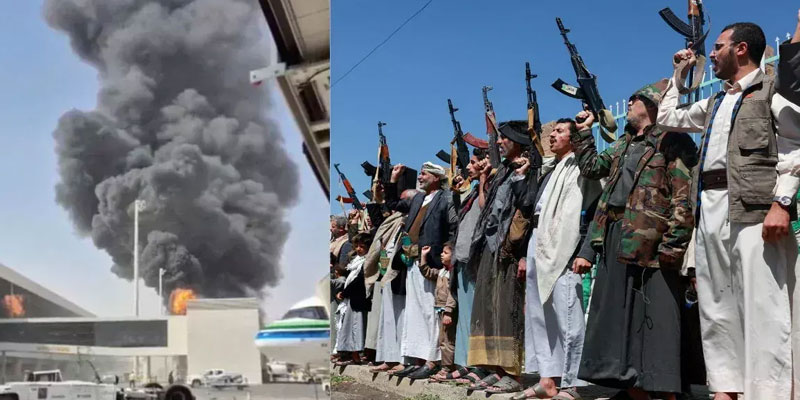
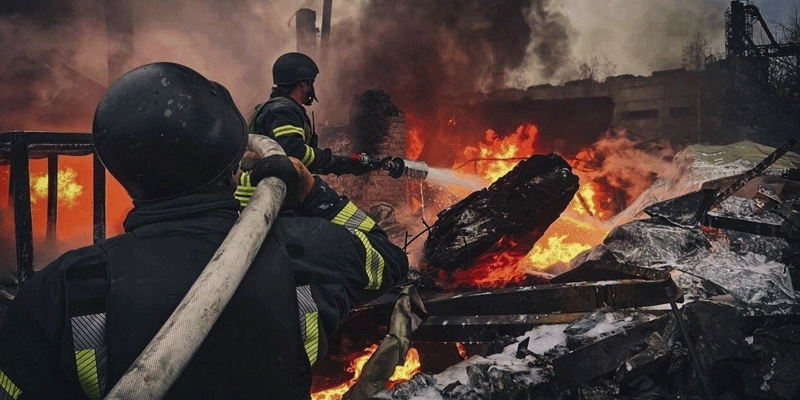
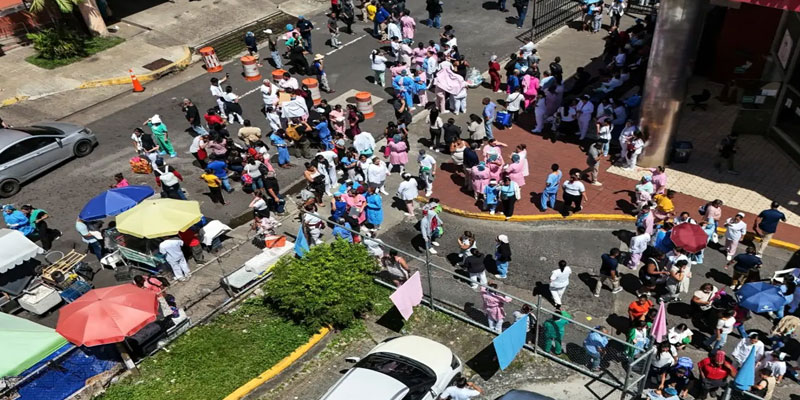
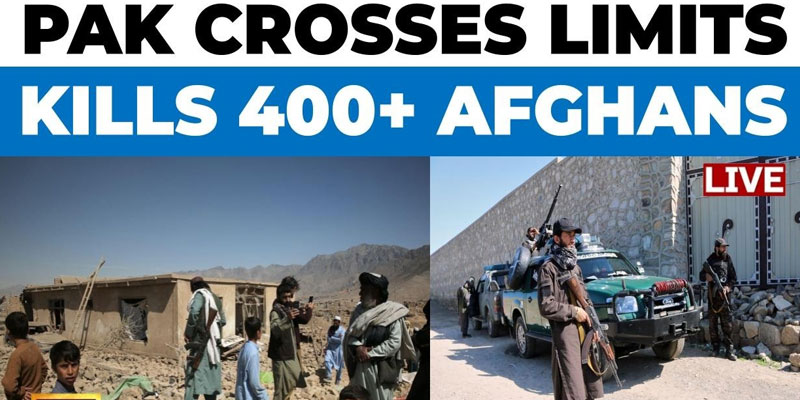
At least 400 people were killed and around 250 injured after a reported Pakistani airstrike hit a major hospital in Kabul, triggering one of the deadliest episodes in the region’s recent conflict. The strike allegedly targeted a 2,000-bed drug-rehabilitation facility, leaving large sections in ruins and rescue teams scrambling through debris to recover bodies. The scale of destruction and loss has shocked the international community, raising urgent questions about the conduct of warfare in densely populated civilian zones.
Afghanistan’s Claims: “Crime Against Humanity”
Officials in Afghanistan have squarely blamed Pakistan for deliberately targeting a civilian healthcare facility. According to government spokesperson Hamdullah Fitrat, the strike occurred late Monday night, devastating “all parts” of the hospital.
Authorities insist that the majority of victims were patients undergoing treatment for drug addiction and the medical staff caring for them—individuals already among the most vulnerable sections of society. The Taliban-led administration and the Health Ministry have termed the attack a “crime against humanity,” accusing Pakistan of violating both Afghan sovereignty and international humanitarian law. Kabul has also warned of serious consequences if such cross-border strikes continue.
Pakistan’s Defence: Precision, Not Civilian Targeting
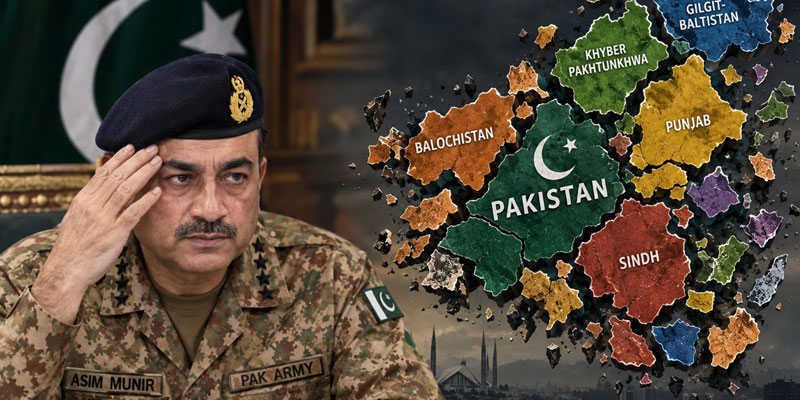
Pakistan has firmly rejected these allegations. Information Minister Attaullah Tarar dismissed the casualty figures as “baseless” and maintained that the airstrikes were carefully planned operations targeting militant infrastructure.
According to Islamabad, the strikes focused on locations in Kabul and Nangarhar province that allegedly housed ammunition depots and logistical networks used by groups hostile to Pakistan. Officials argue that these were “precision strikes” conducted in response to escalating cross-border attacks, and that no civilian infrastructure was intentionally targeted.
However, this narrative has been widely questioned by Afghan authorities and independent observers, particularly given the scale of casualties and visual evidence showing extensive destruction of what appeared to be a clearly marked medical facility.
India’s Reaction: “Barbaric and Cowardly”
India has strongly condemned the airstrike, calling it “barbaric” and “cowardly.” New Delhi’s response reflects growing regional concern over the targeting of civilian spaces, especially healthcare institutions that are protected under international law.
India’s condemnation also signals its broader stance on counterterrorism operations—that such actions must not come at the cost of innocent lives. By invoking strong language, India has positioned itself firmly on the side of humanitarian norms, while indirectly questioning Pakistan’s justification of the strike.
Escalating Conflict and Regional Fallout
The incident marks a dangerous escalation in tensions between Afghanistan and Pakistan. What began as retaliatory cross-border strikes has now spiralled into what many describe as a de facto open conflict along their shared frontier. A fragile ceasefire brokered earlier has effectively collapsed, and rhetoric on both sides has hardened significantly.
The broader implications are deeply concerning. With both nations locked in a cycle of retaliation, the risk of prolonged instability in the region is rising. The strike has also reignited global scrutiny over adherence to the laws of armed conflict, particularly the protection of civilians in urban warfare.
A Crisis Beyond Borders
The Kabul hospital strike is not just another episode in a bilateral conflict—it is a grim reminder of the human cost of unchecked escalation. While competing narratives from Afghanistan and Pakistan continue to clash, the sheer scale of civilian casualties underscores the urgent need for accountability and restraint.
As international voices grow louder in condemnation, the path forward must prioritise de-escalation, transparent investigations, and strict adherence to humanitarian principles. Without these, the tragedy in Kabul risks becoming a precedent for even more devastating consequences in an already volatile region.
(With agency inputs)