First Signs of an Oil Shock at the Pump
Indian consumers are beginning to feel the ripple effects of the global energy crisis, as oil marketing companies (OMCs) have raised prices of premium petrol by over ₹2 per litre. The hike, effective March 20, applies to branded fuels such as Speed petrol, Power petrol, and XP95 petrol. While regular petrol and diesel prices remain unchanged for now, this selective increase signals a cautious but clear shift in pricing strategy.
Why Only Premium Fuel?
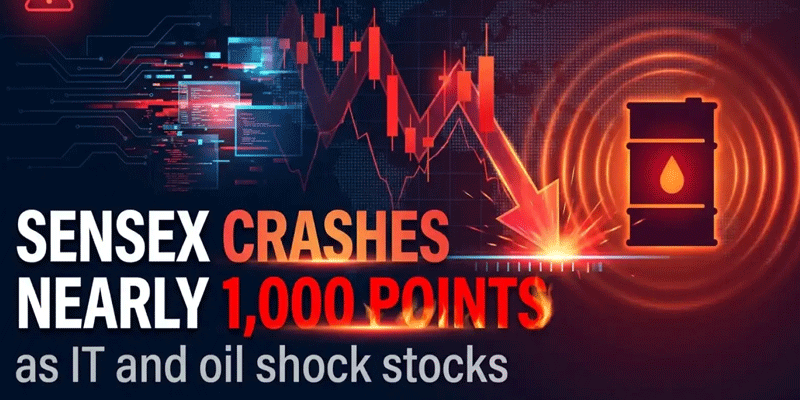
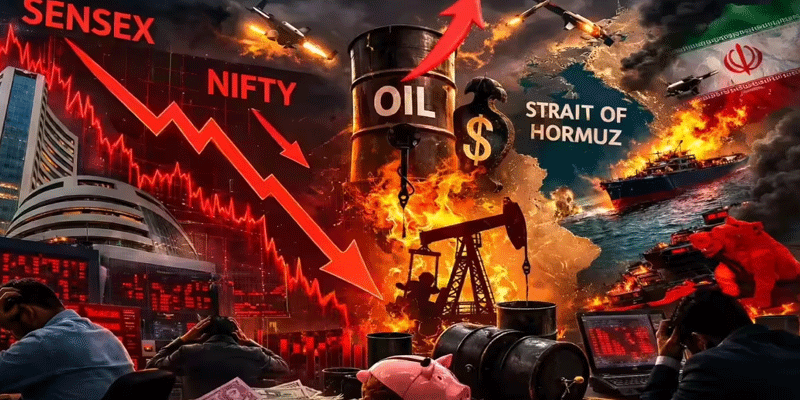
The timing of the hike is closely tied to global crude trends. With Brent crude hovering between $115 and $119 per barrel amid escalating tensions in the Gulf, input costs for refiners have surged. Until now, India has largely shielded consumers from these increases by absorbing costs through OMC balance sheets and fiscal buffers.
By targeting premium petrol, companies are choosing a segment that is less sensitive to price changes. These fuels are typically used by higher-income consumers or owners of high-performance vehicles, making it easier to pass on costs without triggering widespread public backlash. At the same time, keeping regular fuel prices stable reflects the government’s concern over inflation and political sentiment.
A Strategic Balancing Act
This move represents a calculated balancing act. On one hand, OMCs need to recover rising costs; on the other, policymakers are wary of the inflationary impact of increasing mass fuel prices. Premium petrol, therefore, becomes a testing ground—allowing companies to gauge how much of the burden can be shifted to consumers.
However, this approach may only offer temporary relief. If global crude prices remain elevated, the financial strain on OMCs will intensify. Under-recoveries on regular petrol and diesel could widen, eventually forcing either broader price hikes or increased government intervention through subsidies or tax adjustments.
Impact on Consumers and Economy
For consumers using premium fuels, the immediate effect is higher running costs. This is particularly relevant for urban motorists with newer vehicles designed for high-octane fuel. Beyond individual expenses, the hike reflects a broader trend: global energy shocks are increasingly feeding into domestic markets.
The indirect impact could also be significant. Rising fuel costs often translate into higher transportation and logistics expenses, which can push up prices of goods and services over time. While the current increase is limited, it signals potential pressure building beneath the surface.
A Warning Signal for What Lies Ahead
The ₹2 hike in premium petrol prices may seem modest, but it carries larger implications. It marks the beginning of a gradual transmission of global oil shocks into India’s domestic economy.
As long as crude prices remain elevated, the pressure to adjust broader fuel prices will grow. The current strategy of selective hikes may delay the impact, but it cannot eliminate it. For both consumers and policymakers, this is an early warning—of a tightening energy landscape where global conflicts increasingly dictate local costs.
(With agency inputs)