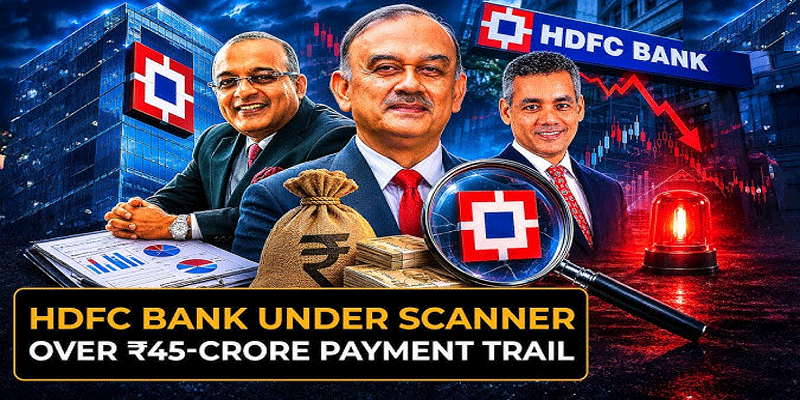
HDFC Bank is facing scrutiny over allegations that ₹45 crore in additional interest paid to the Maharashtra State Road Development Corporation (MSRDC) was presented as marketing expenditure, raising questions over internal governance, transparency and regulatory compliance.
According to the reported findings, the payment was structured as sponsorship expenditure for a road-safety initiative. However, an internal investigation reportedly concluded that the arrangement effectively enabled the bank to provide MSRDC with returns beyond what applicable banking norms permitted.
The controversy assumes greater significance because HDFC Bank's chairman resigned in March citing ethical concerns. The subsequent disclosure that an internal probe had examined the transaction could intensify questions about what the bank's board knew and how the matter was communicated to shareholders and regulators.
Banks operate under strict RBI rules governing deposit pricing, interest payments and financial reporting. If marketing or sponsorship expenditure is effectively used to provide additional financial benefits to a depositor, it can potentially undermine the purpose of those controls.
The episode also highlights a wider corporate-governance risk. Compliance cannot depend only on whether individual transactions appear legitimate on paper; organizations must examine their economic substance and underlying purpose.
For India's banking industry, the case reinforces the importance of independent audits, transparent disclosures and stronger controls over transactions involving government entities and large institutional customers.
Ultimately, the controversy is bigger than ₹45 crore. Trust is the banking industry's most valuable currency, and any perception that financial transactions were structured to circumvent internal or regulatory limits can carry reputational consequences far beyond the amount involved.