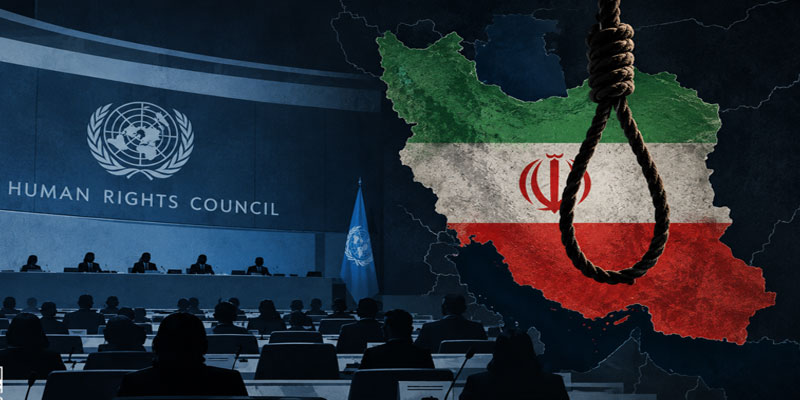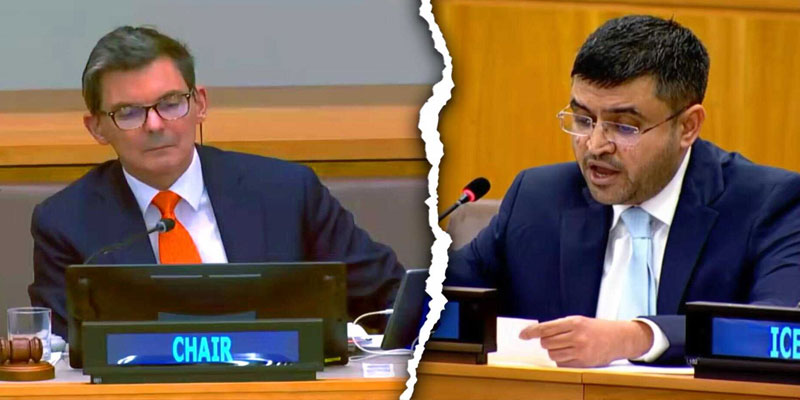
India has strongly rejected a United Nations special rapporteur’s description of fugitive gangster Dawood Ibrahim’s D-Company as an “India-based” criminal group, calling the characterisation factually inaccurate and misleading. The objection was raised by First Secretary Raghoo Puri at the UN General Assembly’s Third Committee during a response to a July report by Special Rapporteur Ben Saul on human rights and counter-terrorism.
Why India Disputes the Description
India’s principal concern is that the phrase “India-based D-Company” could wrongly suggest that the organisation operates from Indian territory. New Delhi maintains that Dawood Ibrahim, wanted in India since the 1993 Mumbai serial blasts, has remained a fugitive and is sheltered in Pakistan.
Puri argued that the report’s wording obscured important facts, including the history of D-Company’s alleged involvement in terrorism and its evolution from an organised-crime network into a terror-linked entity. India said the omission of this context presented a misleading picture of the group’s activities and location.
What the UN Sanctions Record Says
The UN Security Council designated Dawood Ibrahim under its Al-Qaeda sanctions regime in 2003. Its sanctions entry identifies him as Dawood Ibrahim Kaskar, describes him as a prominent Indian underworld figure and states that D-Company and its associates continue criminal activities in India and Nepal.
The entry also records allegations of support for Al-Qaeda and related groups and lists Pakistan as a place of residence. India cited this record to argue that the rapporteur’s description should be corrected to reflect the information already contained in the UN’s own documentation.
Funding Disclosures Raise Further Questions
India also questioned the rapporteur’s independence, citing funding disclosures reported through UN Watch’s database. According to the figures presented by Indian officials and media reports, Saul received $150,000 from China, while total financial support amounted to $1.7 million.
These disclosures were raised as grounds to examine transparency and potential conflicts of interest. They do not, by themselves, establish that any donor influenced the report. Special rapporteurs are independent experts rather than salaried UN employees, making disclosure of external funding an important accountability issue.
The Wider Security and Diplomatic Stakes
Dawood Ibrahim is accused by Indian authorities of masterminding the 1993 Mumbai serial blasts and leading a syndicate allegedly involved in extortion, smuggling, counterfeiting and terror financing. India’s objection therefore extends beyond terminology: it concerns how international institutions describe terrorism
(With agency inputs)