India Consolidates Asian Power, Modi Rises in Leadership Rankings
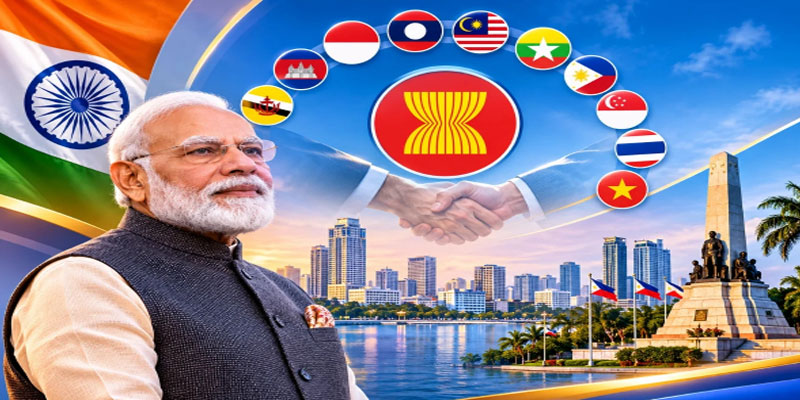
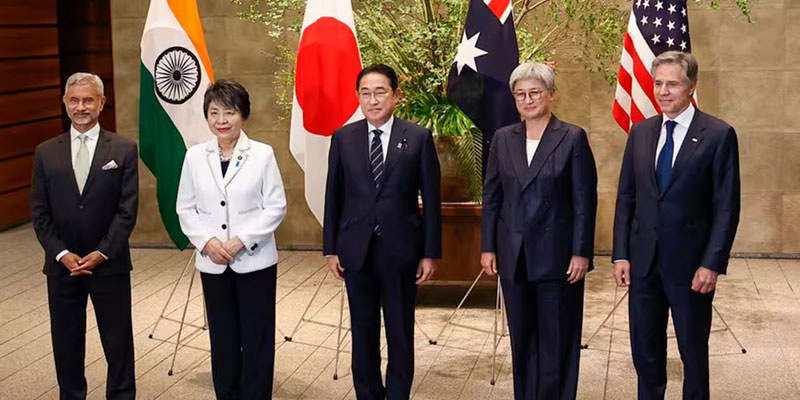
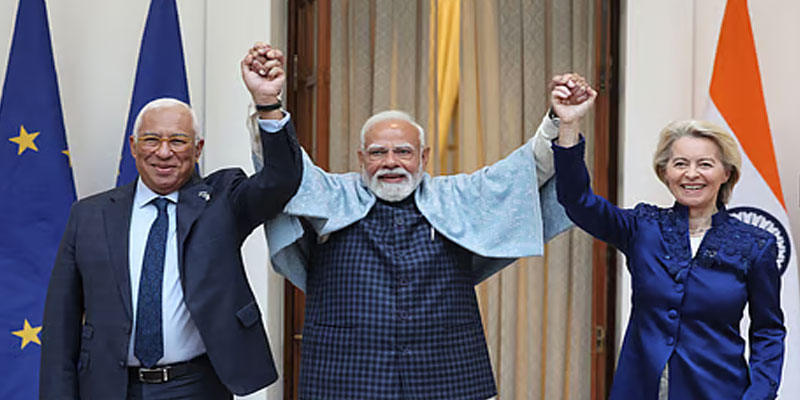
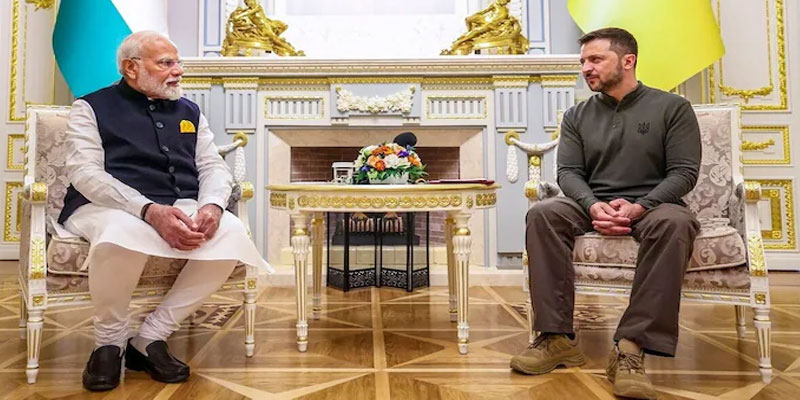
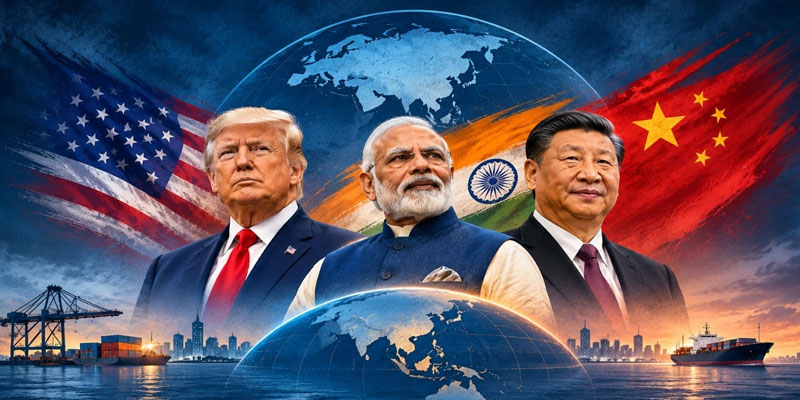
India has retained its position as Asia’s third-most powerful country in the 2026 Asia Power Index, reinforcing its growing strategic and diplomatic influence despite economic challenges. The latest assessment by Australia-based Lowy Institute also places Prime Minister Narendra Modi as Asia’s second-most effective regional leader, behind Chinese President Xi Jinping. The findings highlight India's increasing international standing and its emergence as a major force shaping the Asian geopolitical landscape.
Understanding the Asia Power Index
The Lowy Institute's Asia Power Index is an annual assessment examining the distribution of power across 27 countries and territories in Asia. The 2026 edition evaluates 131 indicators across eight major dimensions, including economic capability, military capability, resilience, future resources, economic relationships, defence networks, diplomatic influence and cultural influence.
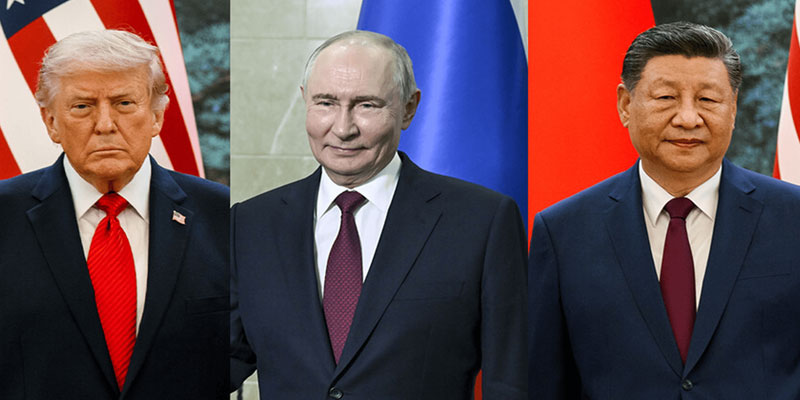
The latest rankings place the United States first with 78.9 points, followed by China with 73.6 points. India secured third position with 40.5 points, improving by 0.5 points from the previous edition. Japan and Russia occupy fourth and fifth positions, respectively.
India's achievement is particularly significant because its power gap with China has narrowed to its lowest level since the index was introduced in 2018. Nevertheless, China's overall power remains approximately 80% higher than India's.
Diplomacy Emerges as India's Strongest Asset
India's diplomatic influence remains its strongest dimension, with 70.3 points and fourth position regionally. Its growing defence partnerships, regional engagement, cultural outreach and expanding defence exports have strengthened its influence.
Other important indicators include:
· Future Resources: 56.2 points, reflecting India's long-term growth potential.
· Military Capability: 48.5 points, demonstrating its strategic strength.
· Cultural Influence: 43.8 points, supported by expanding international reach.
· Defence Networks: 18.6 points, improving through regional cooperation and BrahMos missile exports.
However, economic capability slipped to 26.4 points, highlighting structural challenges.
Modi Ranks Second in Regional Leadership
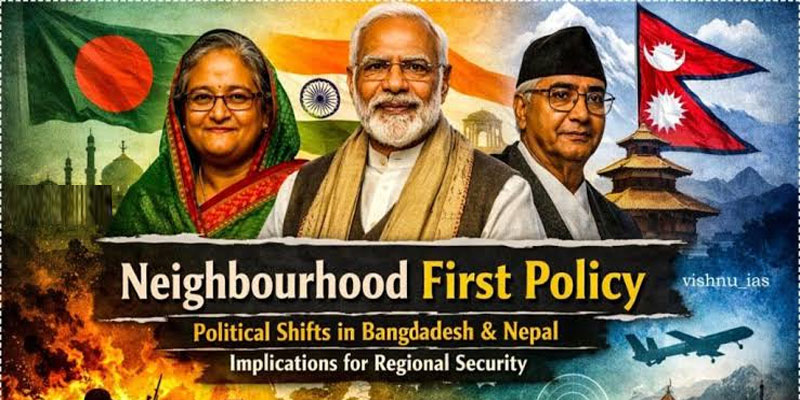
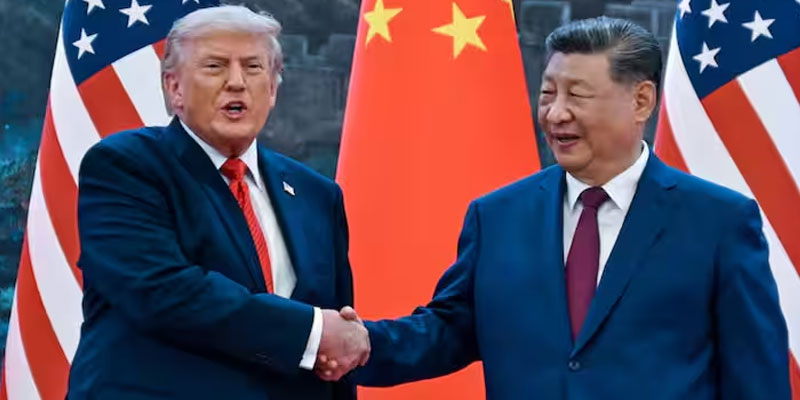
One of the report's most politically significant findings concerns Prime Minister Narendra Modi. Expert assessments of his regional leadership improved substantially, moving India three places higher in this category and placing him second behind Xi Jinping.
The assessment reflects perceptions of diplomatic effectiveness and leadership, rather than a comparison of military or economic power. However, India's relatively muted diplomatic profile during the Gulf conflict affected perceptions of Modi's global leadership.
International Reactions and Strategic Implications
Lowy Institute researchers Hunter Marston and Jack Sato highlighted India's growing influence despite economic difficulties. Marston described the development as India "gaining influence". Jack Sato attributed Modi's improved assessment partly to leadership continuity and stability during regional upheaval.
Influence Must Translate into Lasting Power
India's third-place ranking represents an important strategic achievement, positioning it as Asia's leading power after the United States and China. However, sustaining this momentum will require stronger manufacturing, technological capabilities, trade networks and defence-industrial capacity. India's diplomatic success must increasingly translate into economic and strategic strength to establish its position as a truly consequential global power.
(With agency inputs)