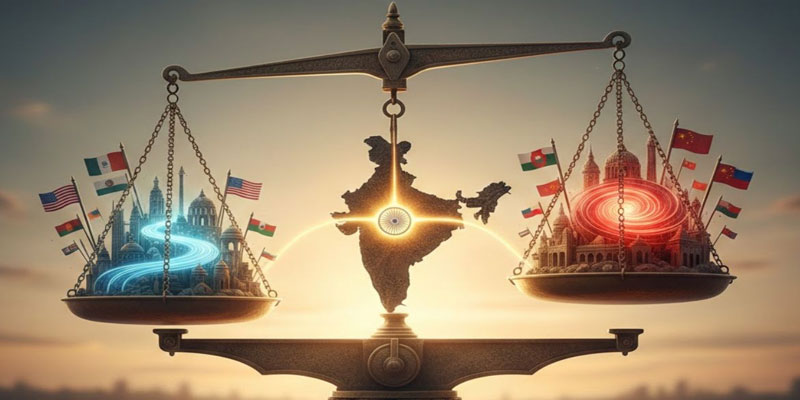
India is not a “dalaal nation.” With that sharp assertion, External Affairs Minister S. Jaishankar set the tone at a high-stakes all-party meeting, rejecting any suggestion that India should act as a go-between in the West Asia crisis. The remark was more than rhetorical—it reflected a deeper articulation of India’s foreign policy identity: principled, independent, and resistant to transactional diplomacy.
A Meeting Amid Rising Global Tensions
Held on March 25, 2026, and chaired by Defence Minister Rajnath Singh, the all-party meeting convened top government leaders and opposition figures to assess the fast-escalating US-Iran-Israel conflict. The presence of key ministers and senior opposition leaders underscored the gravity of the situation. However, the absence of the Trinamool Congress, which demanded a formal parliamentary debate, hinted at political undercurrents beneath the strategic discussions.
The government outlined the diplomatic, economic, and security implications of the crisis, particularly its potential to disrupt global oil flows and destabilize the Gulf region, where millions of Indians live and work.
Rejecting the ‘Broker’ Narrative
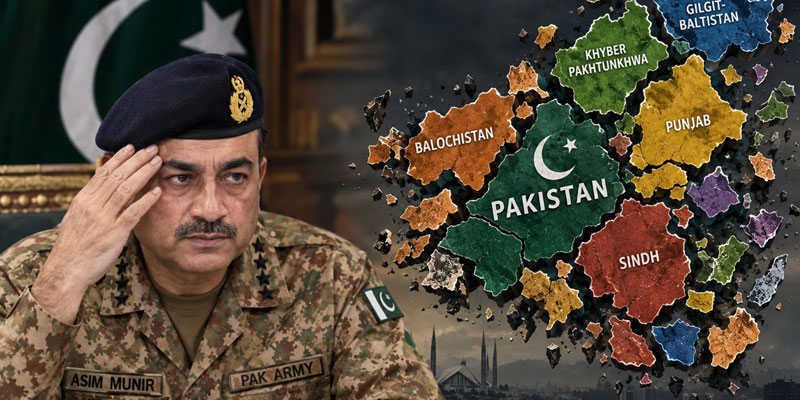
Jaishankar’s dismissal of Pakistan’s reported mediation efforts were rooted in both history and principle. By referencing past instances where Pakistan positioned itself as an intermediary—such as in US-China and US-Iran backchannel engagements—he drew a clear distinction between India’s approach and what he portrayed as opportunistic diplomacy.
India, he emphasized, does not insert itself into conflicts for leverage or visibility. This was also a direct response to opposition criticism suggesting that India was being side-lined diplomatically while Pakistan engaged key regional players. Government sources clarified that India’s restraint is not passivity, but a conscious strategy aligned with long-term national interests.
Active Diplomacy Without Mediation
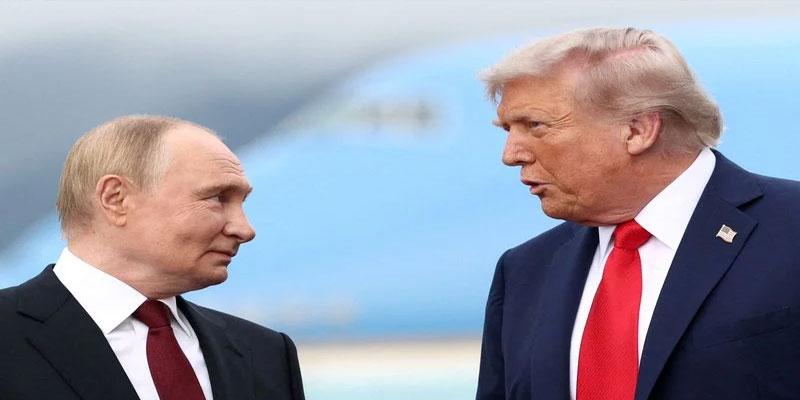
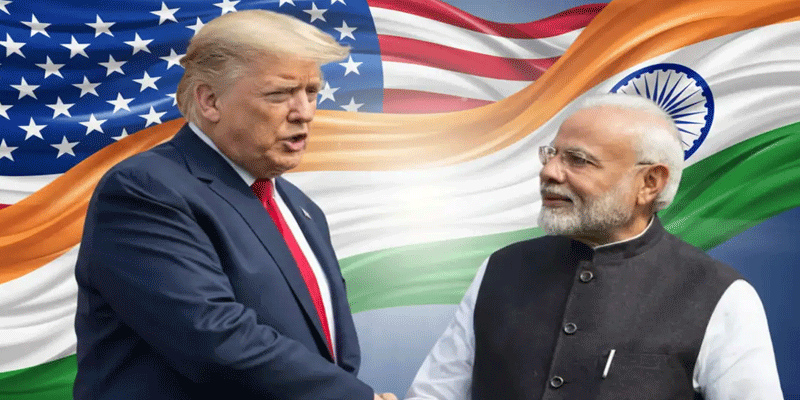
Prime Minister Narendra Modi’s outreach to US President Donald Trump a day prior to the meeting highlighted India’s proactive stance. Urging a swift end to hostilities, Modi stressed the broader consequences of prolonged conflict, including threats to maritime security in the Strait of Hormuz.
Simultaneously, India has taken steps to safeguard its economic and human interests. Petroleum Minister Hardeep Puri assured that fuel supplies remain stable, with alternative sourcing strategies in place. The safety of the Indian diaspora in the Gulf remains a top priority.
Opposition Concerns and Strategic Balancing
Despite the government’s assurances, opposition leaders expressed dissatisfaction, calling for more transparency and parliamentary scrutiny. Questions were raised about India’s silence on certain developments and its perceived tilt in regional alignments.
Yet, India’s response to the sinking of an Iranian vessel near Sri Lanka illustrated its nuanced positioning. By assisting in rescue operations and maintaining communication with Iran, India signaled that its ties with Tehran remain intact, even as it engages closely with the United States.
A Doctrine of Measured Independence
India’s stance in the crisis reflects a calibrated doctrine of multi-alignment—engaging all sides without becoming entangled in their conflicts. By rejecting the role of a broker, India avoids the risks of overreach and preserves its strategic autonomy.
In a volatile geopolitical landscape, this approach may lack dramatic flair, but it offers something far more valuable: credibility, consistency, and control. India is not mediating the conflict—but it is shaping its own path through it.
(With agency inputs)