A classified report by the Jammu and Kashmir Police has uncovered a major financial scam involving an estimated ₹17.91 crore collected in the name of humanitarian aid for Iran. What began as a legitimate appeal linked to the Iranian Embassy amid the ongoing West Asia crisis was allegedly hijacked by fraudsters, turning public sentiment into a channel for illicit funding.
How the Scam Unfolded
The fraud traces back to March 14, 2026, when calls for donations to support Iran during the conflict gained traction. Exploiting religious and emotional connections, middlemen posed as authorized representatives and launched aggressive collection drives across Kashmir.
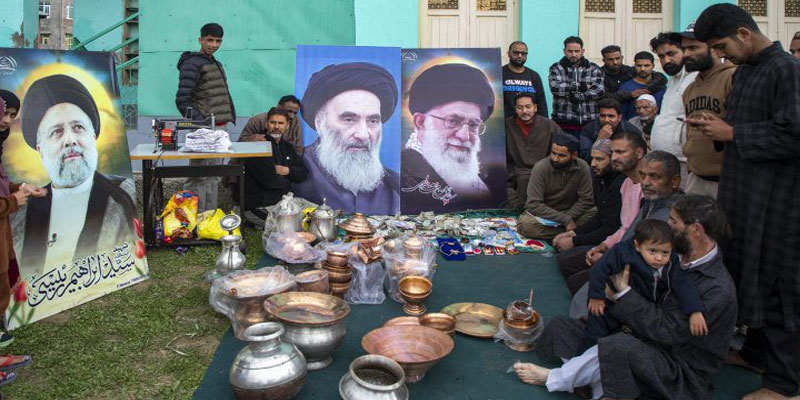
They operated through door-to-door campaigns, mosque gatherings, and temporary stalls in marketplaces—particularly targeting the Shia community. Contributions poured in not just as cash, but also in gold and even copper utensils, reflecting traditional forms of charity. Crucially, no verified receipts or official documentation were issued, and funds never passed through authorized channels.
Hotspots and Scale of Collection
The scam saw its highest collections in Budgam, which alone accounted for ₹9.5 crore. Baramulla followed with ₹4 crore, while Srinagar contributed ₹2 crore. Smaller amounts were gathered from districts like Kulgam, Bandipora, Ganderbal, and Pulwama.
Mosques and post-Namaz gatherings became key collection points, where trust and community sentiment were leveraged to maximize contributions. The scale and speed of collections highlight both the depth of public response and the lack of oversight.
Where Did the Money Go?
Investigations suggest that a significant portion of the funds was diverted away from humanitarian purposes. Intelligence inputs indicate links to local networks, including suspected separatist sympathizers and overground operatives.
Rather than reaching Iran, the money is believed to have been funnelled into “payrolls” supporting disruptive activities—ranging from mobilizing protests to potentially aiding militant logistics. The pattern mirrors earlier instances of fraudulent crowdfunding in the Valley, raising serious red flags about misuse of public trust.
Security and Geopolitical Concerns
The timing of the scam adds to its gravity. With tensions in West Asia already impacting regional stability, such financial diversions risk amplifying internal security challenges. Authorities fear that external handlers may have exploited the situation to channel funds into anti-India activities under the guise of humanitarian aid.
The incident also exposes how global conflicts can be manipulated locally, turning genuine solidarity into a tool for destabilization.
Crackdown and Ongoing Probe
Multiple agencies, including the National Investigation Agency (NIA), Enforcement Directorate (ED), and State Investigation Agency (SIA), are now involved. Over 20 individuals—including mosque committee members—have been arrested, and financial trails are being tracked through hawala networks and money laundering channels.
The Iranian Embassy reportedly withdrew its public acknowledgments after being alerted, further confirming the fraudulent nature of the collections.
Trust, Exploited and Lessons Ahead
This scam is a stark reminder of how quickly humanitarian intent can be weaponized in volatile environments. While the people of Kashmir responded with generosity, that trust was systematically exploited.
Going forward, stricter regulation of foreign aid appeals, greater reliance on verified digital channels, and heightened public awareness will be essential. In conflict-driven narratives, transparency is not just good governance—it is a safeguard against manipulation.
(With agency inputs)