Islamabad Steps Forward as Go-Between
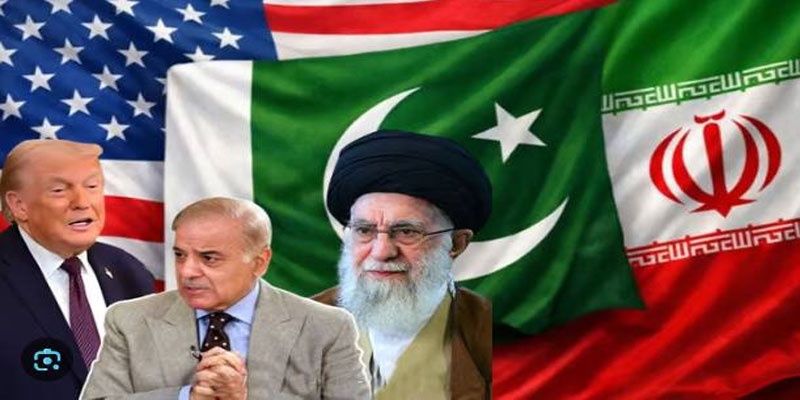
Pakistan is pushing hard to position itself as a key mediator in the escalating US–Iran conflict, offering to host talks and facilitate dialogue between the two adversaries. As the war enters a prolonged and volatile phase, Islamabad’s move reflects both urgency and opportunity. Alongside other regional players, Pakistan is attempting to insert itself into the diplomatic core of the crisis, projecting an image of a stabilizing force even as it navigates its own vulnerabilities.
Why Pakistan Is Eager to Mediate
Pakistan’s activism is driven less by altruism and more by necessity. A prolonged conflict in West Asia poses direct risks to its fragile economy and internal stability. Rising energy prices, disruptions in critical shipping routes like the Strait of Hormuz, and the threat of sectarian tensions spilling over into its domestic landscape make the stakes unusually high.
With one of the world’s largest Shia populations, Pakistan is particularly sensitive to regional sectarian dynamics that could be inflamed by a US–Iran confrontation. By stepping in as a mediator, Islamabad aims to shield itself from these risks while ensuring that trade and energy flows remain intact. Diplomatic engagement also allows Pakistan to avoid being forced into choosing sides between competing regional powers.
A Crowded Mediation Table
Pakistan is not alone in this diplomatic effort. Countries like Egypt and Turkey have also emerged as active intermediaries, while others such as Oman and Saudi Arabia are playing quieter roles. This multi-channel mediation reflects the complexity of the conflict, with different actors relaying messages and exploring pathways to de-escalation.
What sets Pakistan apart, however, is its unique positioning. It maintains working relationships with both Washington and Tehran, without hosting U.S. military bases or being directly targeted by Iranian actions. This relative neutrality gives Islamabad a degree of credibility as a bridge between opposing camps. Its outreach—through high-level calls and offers to host negotiations—signals an attempt to convert this positioning into tangible diplomatic influence.
Strategic Calculations and Potential Gains
For Pakistan, mediation is also a strategic play. Acting as a conduit between the United States and Iran offers the chance to rebuild diplomatic capital and strengthen ties with key global and regional actors. It provides leverage in its broader foreign policy, particularly in managing relations with Gulf countries and the West.
At the same time, the convergence of mediators—Pakistan, Egypt, and Turkey—suggests a growing recognition that a negotiated pause may be the only viable path forward. Early signals, such as temporary pauses in escalation, hint that backchannel diplomacy could be gaining traction, though a durable ceasefire remains uncertain.
Between Diplomacy and Self-Preservation
Pakistan’s bid to lead mediation efforts is as much about self-preservation as it is about peace-making. By stepping into the diplomatic spotlight, it seeks to manage immediate risks while enhancing its long-term geopolitical relevance. Yet, the success of these efforts will depend not just on Pakistan’s ambitions, but on the willingness of the United States and Iran to engage meaningfully. In a conflict defined by mistrust and shifting signals, mediation may open doors—but it cannot guarantee resolution.
(With agency inputs)