Ceasefire Hopes Struggle Against Rising US–Iran Hostilities
Tensions between the United States and Iran have reached a critical juncture, with both sides signaling a mix of aggression and cautious diplomacy. Recent developments suggest a narrow window for de-escalation, as mediators push for a temporary ceasefire even while threats of intensified military action loom large. With global attention fixed on the Strait of Hormuz and rising civilian risks, the coming days may determine whether the conflict stabilizes—or spirals further.
Ceasefire Diplomacy vs. Military Brinkmanship
At the heart of the crisis lies a proposed 45-day ceasefire, currently under discussion between the US, Iran, and mediating nations including Pakistan, Egypt, and Turkey. This temporary truce is envisioned as a confidence-building step toward a longer-term resolution. However, fundamental disagreements persist—particularly over Iran’s control of the Strait of Hormuz and its uranium stockpile.
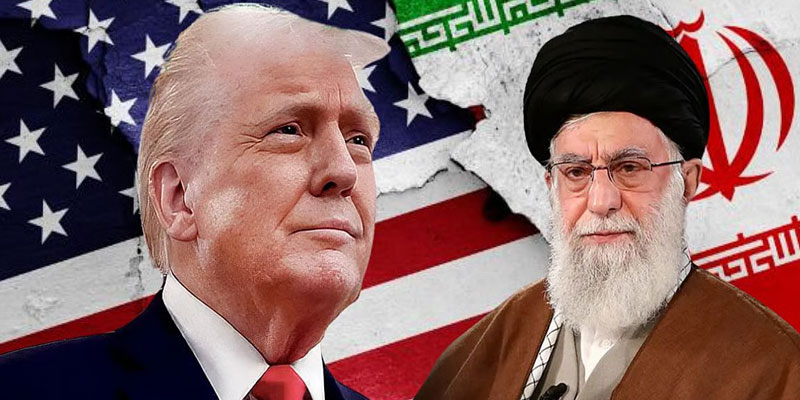
US President Donald Trump has struck a dual tone: expressing optimism about reaching an agreement while simultaneously issuing stark warnings. His ultimatum for Iran to reopen the Strait, paired with threats of targeting critical infrastructure like power plants and bridges, underscores the fragile balance between diplomacy and coercion. Such rhetoric has also triggered concerns over potential violations of international law, especially regarding civilian infrastructure.
Oman’s Quiet but Crucial Mediation Role
Amid the tension, Oman has emerged as a key diplomatic conduit. Recent talks between Omani and Iranian officials have focused on ensuring secure maritime passage through the Strait of Hormuz—a vital artery for global oil shipments. While not amounting to a full reopening, these discussions indicate a pragmatic approach aimed at reducing immediate risks.
Oman’s neutrality and established diplomatic channels make it uniquely positioned to facilitate dialogue. By involving technical experts and exploring incremental solutions, these talks complement broader international mediation efforts, even as public rhetoric remains confrontational.
Escalation on the Ground and Iran’s Response
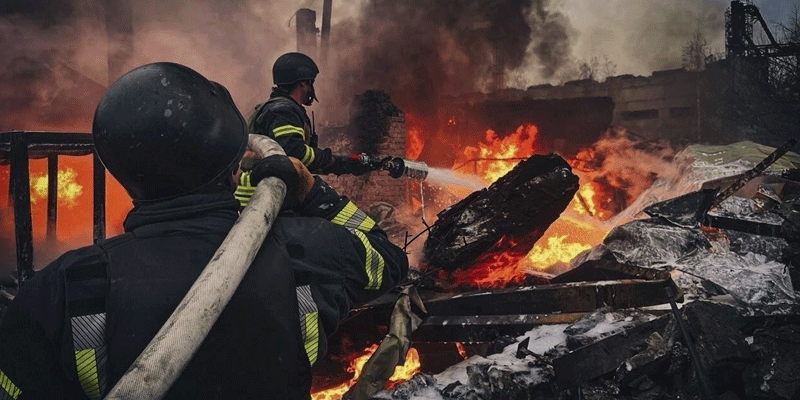
The conflict’s intensity was evident from its onset, with over 900 coordinated US-Israeli strikes targeting Iranian military assets, including Revolutionary Guard installations and missile systems. Among the most contentious actions was the attack on Iran’s Khondab heavy water facility, which Iranian authorities condemned as a “war crime.”
Iran’s Atomic Energy Organization emphasized that such facilities serve not only nuclear ambitions but also medical and industrial purposes. Despite the strikes, Tehran has maintained a defiant stance, asserting that its scientific progress and strategic capabilities will continue unabated.
Rhetoric, Risks, and Humanitarian Concerns
Trump’s dismissal of civilian casualty concerns and his assertion that regime opponents would support US actions reflect a hardening posture. His warnings of making life “hell” for Iran if demands are unmet further amplify fears of escalation. Meanwhile, the humanitarian toll is already significant, with over 1,300 reported deaths in the early stages of the conflict.
The threat of targeting infrastructure raises alarms about widespread disruption—particularly to energy supplies. Any significant damage to oil facilities or transport routes could trigger global economic repercussions, including sharp increases in oil prices and broader market instability.
Strategic Stakes and an Uncertain Path Forward
The proposed ceasefire hinges on incremental concessions, such as partial access to the Strait and limitations on uranium enrichment. If successful, it could pave the way for extended negotiations. However, failure would likely lead to intensified military action, with potentially devastating consequences for the region.
Gulf states, acutely aware of the stakes, are backing mediation efforts to prevent a wider conflict. Yet Iran’s refusal to concede under pressure and the US’s escalating threats create a volatile impasse.
A Narrow Window Before the Abyss
As diplomatic efforts race against time, the next 48 hours are widely seen as decisive. The situation encapsulates a classic paradox: both sides recognize the catastrophic costs of full-scale war, yet continue to edge dangerously close to it. Whether through compromise or confrontation, the decisions made now will shape not only US–Iran relations but also the broader stability of the Middle East and global energy security.
(With agency inputs)