A New Escalation Raises the Human Cost
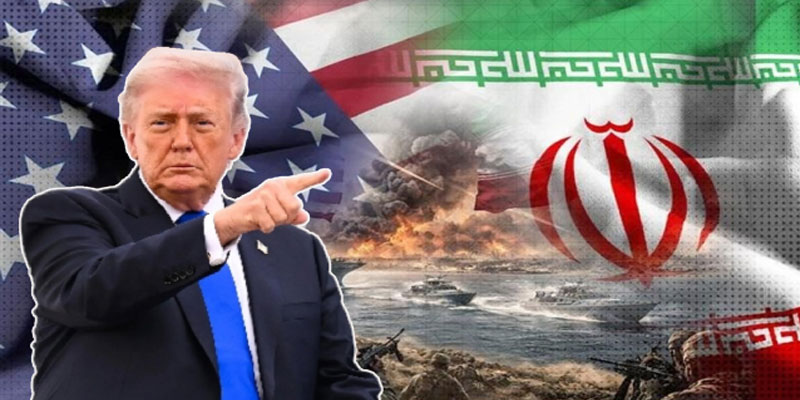
US President Donald Trump has warned that America can strike Iran “anytime we want,” as Tehran says at least 18 people were killed and 108 wounded in the latest wave of US attacks. Among the reported casualties were civilians caught in a strike on a wedding gathering in southern Iran, an incident Tehran has condemned as a war crime. The renewed exchange marks the most serious escalation since July and has revived fears that the conflict could spread across the Middle East.
Strikes Near the Strait of Hormuz
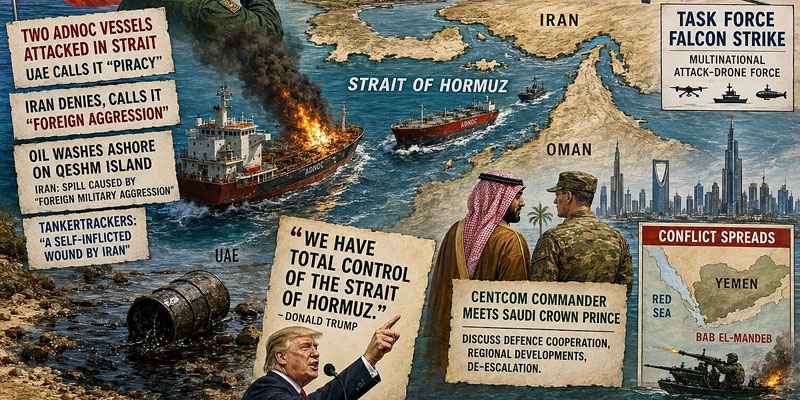
The latest US operation focused on Iran’s southern coast, including areas around the strategically vital Strait of Hormuz. Washington says its forces targeted Iranian military and security infrastructure, including radar, missile and maritime capabilities. Tehran, however, says the strikes also caused civilian deaths and damage.
The most politically explosive incident occurred in Kuhestak, Hormozgan province, where Iranian authorities said a missile struck a residential building during a wedding celebration. Four people, including two children, were reported killed, while dozens were injured. The United States has denied deliberately targeting civilians, with US Central Command saying it was examining reports surrounding the incident.
Trump Signals More Military Action
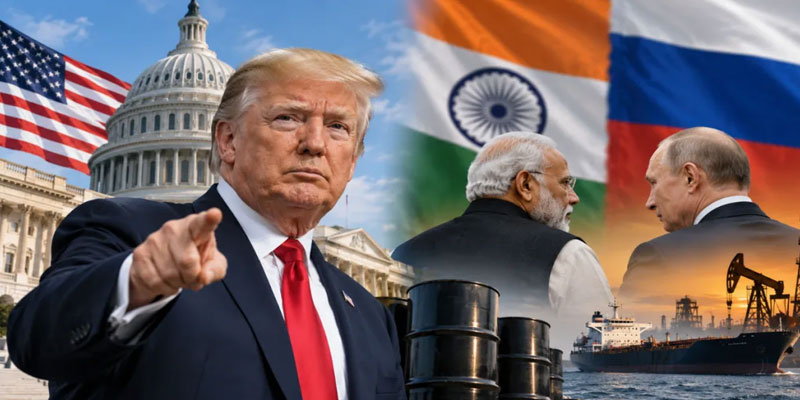
Against this backdrop, Trump has adopted an uncompromising posture, warning that the United States could strike Iran whenever it chooses and threatening a stronger response if Tehran retaliates. His comments indicate that Washington continues to view military pressure as a principal instrument for forcing Iran to change its behaviour.
The danger is that such rhetoric leaves little room for miscalculation. Every new strike creates pressure for retaliation, while each retaliatory action can become justification for another American response.
Iran Retaliates Across the Region
Iran has already demonstrated that its response will not necessarily remain confined to its territory. Tehran launched missiles and drones towards US-linked military positions in Bahrain, Jordan, Kuwait and Iraq, according to Iranian and regional officials. Jordan said its air defences intercepted most of the missiles entering its airspace, while Kuwait also reported intercepting incoming threats.
The confrontation is therefore developing into a wider regional security crisis rather than a simple bilateral exchange. Iran has also threatened a broader strategic response involving military operations, diplomacy and resistance to economic pressure.
Hormuz Turns the Conflict into a Global Risk
The Strait of Hormuz makes the latest escalation particularly consequential. The waterway is one of the world's most important energy corridors, meaning prolonged disruption could push oil prices higher and increase inflationary pressure globally. Brent crude was trading around $95 a barrel on September 3 as markets assessed the risks surrounding renewed hostilities and shipping restrictions.
The conflict could consequently affect economies far beyond the Middle East, particularly major energy-importing countries.
The Most Dangerous Battle Is Still Ahead
The immediate challenge is preventing retaliation from becoming a self-sustaining cycle. Civilian casualties, threats of further strikes, attacks on regional bases and tensions around Hormuz are narrowing the space for diplomacy. The international community, particularly the United Nations, faces growing pressure to push both sides towards an immediate de-escalation.
The central question is no longer simply who can deliver the next military blow. It is whether Washington and Tehran can step back before another exchange transforms an already devastating conflict into a much wider regional war.
(With agency inputs)