A Fragile Pause Gives Way to Direct Fire
US-Iran hostilities have resumed after several weeks of relative restraint, reopening a military front that Washington and Tehran had seemingly sought to contain. On August 30, US forces struck two Iranian rocket launchers on Larak Island, near the strategically vital Strait of Hormuz, saying Iran’s Revolutionary Guard was preparing to deploy sea mines into the waterway. The action marked the first publicly confirmed US strike on Iranian territory since late July.
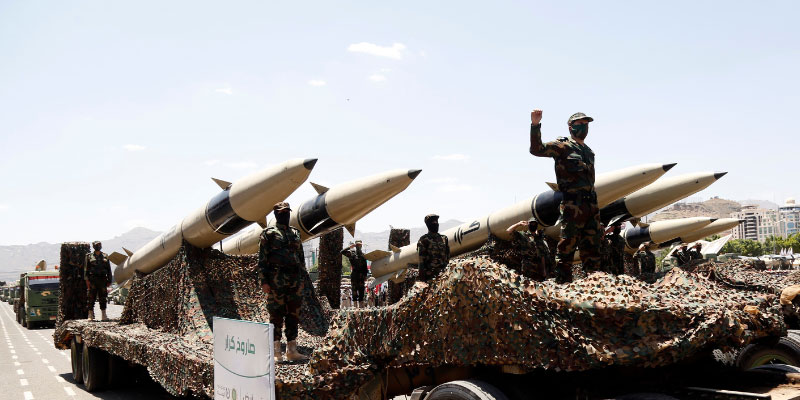
The episode was quickly followed by an Iranian response. The Islamic Revolutionary Guard Corps said it launched ballistic missiles against US-linked bases in Jordan, while Jordanian authorities said eight missiles entering its airspace were intercepted and reported no injuries.
From Military Pause to Renewed Confrontation
The latest exchange follows a broader conflict that began with US-Israeli attacks on Iran in February and Iranian retaliation against Israel, US forces and regional targets. By late July, Washington had reduced direct military operations and increasingly relied on sanctions and economic pressure against Tehran.
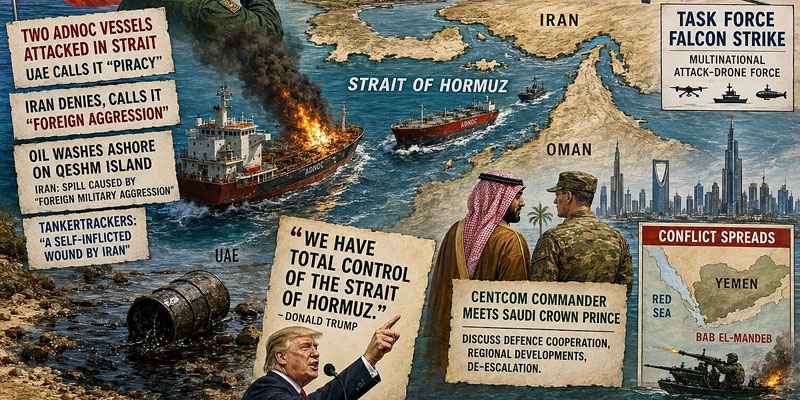
That fragile pause, however, never resolved the central dispute over the Strait of Hormuz. The waterway carries a substantial share of global energy supplies, making any military activity there capable of immediately affecting shipping, insurance and oil prices.
Why Larak Became the New Flashpoint
Washington says its Larak operation was a limited, preventive strike, undertaken after Iranian forces were observed preparing rockets carrying sea mines. US Central Command argued that the action was necessary to protect commercial shipping and freedom of navigation. The United States had also warned Tehran that vessels attempting to lay new mines would be destroyed.
For Iran, however, the strike represents another challenge to its ability to influence traffic through Hormuz. Tehran has rejected Washington's claims that the waterway has effectively been reopened under US protection and has vowed retaliation. The conflicting narratives demonstrate how military deterrence and information warfare are now operating alongside conventional combat.
The Consequences Could Reach Far Beyond Iran
The immediate concern is escalation through retaliation. A limited strike intended to prevent mine deployment has already triggered Iranian missile action against US positions in the region. If Washington responds to those attacks with broader strikes, Tehran could target additional American assets, regional allies or maritime infrastructure.
The economic consequences could arrive even faster. Oil prices rose more than 2% after the latest exchange, reflecting renewed fears over disruption around Hormuz. Any sustained closure, mining campaign or attacks on tankers could push energy prices higher and intensify inflationary pressures worldwide.
Kharg Threat Raises the Stakes Further
The situation became even more uncertain after President Donald Trump posted an AI-generated video claiming Iran's Kharg Island was being destroyed. Kharg is a major Iranian oil-export hub, making it far more economically sensitive than Larak. Reuters reported that there was no evidence of an actual attack on Kharg at the time.
A verified strike there would represent a significant escalation because it could directly threaten Iran's oil-export capacity and provoke a much broader response.
Hormuz Becomes the Ultimate Test of Restraint
The latest US-Iran exchange shows that the military confrontation was paused, not resolved. Washington wants sanctions and selective military pressure to force Tehran towards negotiations, while Iran remains determined to preserve its leverage over Hormuz.
The greatest danger now is that tactical retaliation becomes strategic escalation. If both sides continue answering limited attacks with progressively larger responses, the Strait of Hormuz could become the trigger for a much wider regional crisis. The next few moves will determine whether Larak remains an isolated clash—or becomes the spark that reignites a larger US-Iran war.
(With agency inputs)