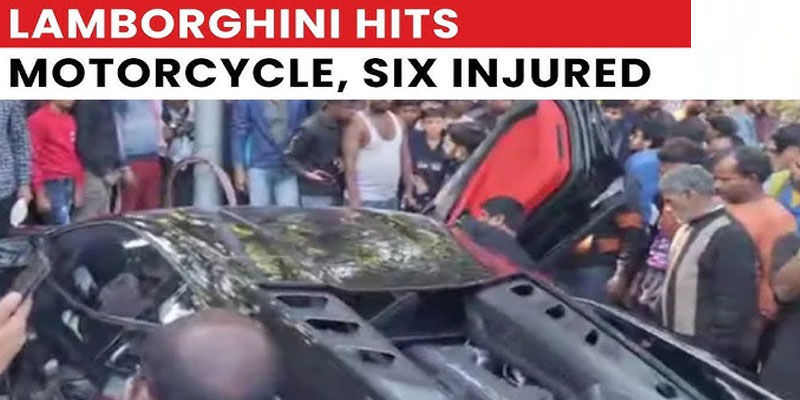
Kanpur Lamborghini Rampage
A high-end sports car speeding through Kanpur’s VIP Road allegedly left multiple people injured on 8 February 2026, sparking outrage and renewed debate over reckless driving by affluent youth. The driver, Shivam Mishra, reportedly lost control of a luxury Lamborghini, hitting pedestrians and vehicles before crashing into roadside infrastructure. Police seized the car and launched an investigation into possible intoxication and rash driving, while questions quickly shifted from the incident itself to the business empire behind the accused and the wider pattern of similar cases across India.
More Than a Road Accident
The Kanpur crash is not merely a case of negligent driving; it has become a symbol of growing public frustration with perceived impunity among wealthy motorists. The involvement of a young heir to a prominent tobacco business has amplified scrutiny, prompting discussion on corporate wealth, enforcement gaps, and social responsibility. As investigators assess the incident, the episode has reopened debates on regulatory oversight of high-performance vehicles and accountability for influential families.
Business Profile: KK Mishra and Banshidhar Tobacco
Krishna Kumar “KK” Mishra is widely known in northern India’s tobacco trade as the promoter of Banshidhar Tobacco Pvt Ltd, a Kanpur-based company operating since the early 1990s. The firm supplies processed chewing tobacco and related products to manufacturers in the pan masala and gutkha segments. With operations spanning multiple states and a network of clients in the largely unorganised tobacco market, the company has grown into a mid-scale enterprise with significant cash flow.
Official filings suggest modest revenues, but investigative agencies in previous financial probes have reportedly estimated much higher turnover. Tax authorities conducted searches on properties linked to the business in recent years, citing discrepancies in declared sales and suspected tax evasion. While the company continues to operate, such scrutiny has contributed to a public perception of substantial unaccounted wealth. The Mishra family is also associated with an extensive collection of luxury vehicles and high-value assets, reinforcing the image of conspicuous affluence.
Similar Rich Kid Incidents
· Pune Porsche Crash (May 2024): A 17-year-old, Vedant Agarwal, allegedly driving drunk, fatally hit two students. The case drew nationwide outrage and his bail was later cancelled amid public scrutiny.
· Bengaluru Rolls-Royce Case (2024): A luxury car driven by a business heir rammed into a cab, killing the driver; the accused initially fled but was later arrested.
· Mumbai Ferrari Incident (2025): The son of an industrialist, behind the wheel of a high-end Ferrari, caused a crash that killed two people, intensifying debate over privilege and legal accountability.
· Delhi BMW Case (2023): A drunken driver from an influential family dragged a police officer with his car; the court later handed down a 14-year prison sentence.
Emerging Pattern:
These cases highlight recurring themes of alcohol, over speeding, and multi-crore supercars (Porsche, Ferrari, Lamborghini, BMW) involving affluent youth in major cities. Public discourse and NCRB-linked assessments suggest a noticeable share of serious urban accidents involves wealthy young drivers, fuelling calls for stricter enforcement and equal punishment under the law.
Policy Responses and Preventive Measures
Experts and road-safety advocates have proposed multiple steps to curb such incidents. These include mandatory alcohol testing in serious crashes, stricter penalties for reckless driving, and enhanced surveillance using speed cameras and automated number-plate recognition systems. Some have suggested revisiting licensing norms for high-performance vehicles, requiring advanced driving certifications or higher insurance liabilities. Others emphasise parental or owner accountability when vehicles registered to families are misused. Equally important is public awareness. Campaigns against drunk driving and over speeding, combined with visible enforcement, could help change behaviour
Accountability Beyond Headlines
The Kanpur Lamborghini crash has reignited concerns about privilege, enforcement, and road safety in urban India. While the legal process will determine responsibility in this specific case, the broader issue extends beyond one family or one incident. Repeated episodes involving luxury vehicles highlight systemic gaps in regulation and deterrence. Addressing them will require coordinated action—stronger laws, better enforcement, and a cultural shift that places public safety above status. Only then can such incidents cease to be recurring symbols of inequality on India’s roads.
(With agency inputs)