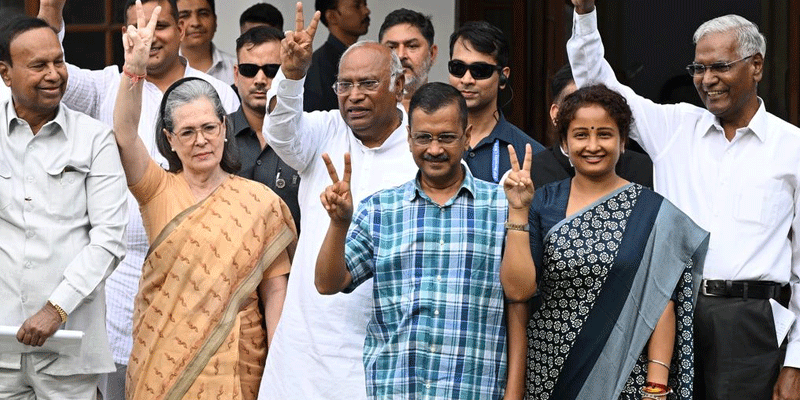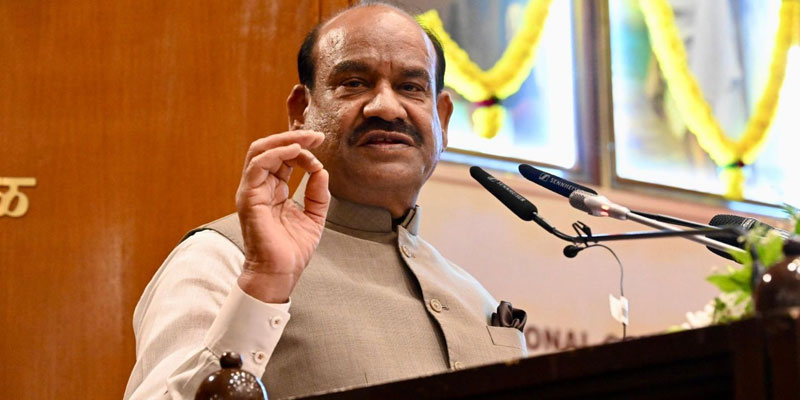
India’s opposition bloc is preparing to move a no-confidence motion against Lok Sabha Speaker Om Birla after repeated disruptions during the ongoing parliamentary session. The move follows confrontations in the House over rulings seen by opposition parties as biased, including the decision to block certain remarks by the Leader of the Opposition. The development has intensified an already fraught Budget Session and added another layer of political contestation inside Parliament.
A Rare Challenge to the Speaker
A no-confidence motion against a Lok Sabha Speaker is highly unusual in India’s parliamentary history and almost always symbolic. Unlike motions targeting the government, such efforts rarely succeed because of the ruling coalition’s numerical advantage and the constitutional conventions surrounding the Speaker’s office. Yet the opposition’s current push reflects deepening mistrust over procedural fairness and parliamentary functioning. With the ruling alliance maintaining a comfortable majority, the motion is unlikely to pass—but it could reshape the political narrative within and beyond Parliament.
Opposition’s Allegations: Claims of Bias and Curtailment
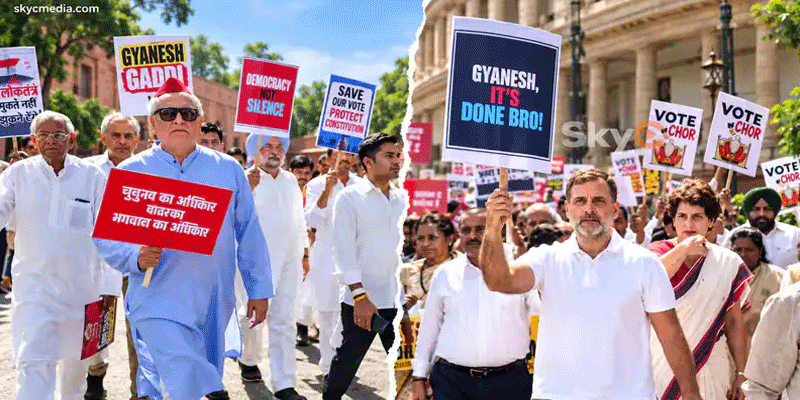
Opposition parties, including members of the INDIA alliance, accuse the Speaker of partisanship in managing debates and allowing limited space for dissenting voices. Their grievance stems from rulings that allegedly prevented opposition leaders from raising sensitive political and security-related issues during debates tied to the President’s Address and the Budget Session. They argue that frequent adjournments and disciplinary warnings have disproportionately targeted opposition MPs, while government members have faced fewer restrictions.
The opposition also claims that procedural decisions have undermined Parliament’s deliberative role by curbing discussion on contentious matters such as national security operations and electoral controversies. By proposing a no-confidence motion, opposition leaders aim to force a formal debate on the Speaker’s neutrality and highlight what they describe as shrinking democratic space within the House.
Likely Impact: Parliamentary Disruption and Political Messaging
If formally admitted, the motion would trigger a structured debate under parliamentary rules and temporarily shift focus away from legislative business. Even though the ruling coalition’s majority makes passage improbable, the process itself could stall proceedings and prolong the confrontational atmosphere. The opposition may use the debate to project unity and frame the issue as a defence of parliamentary norms ahead of upcoming political contests.
Historically, similar motions against Speakers have failed. Attempts in earlier decades served more as political statements than realistic bids to unseat the presiding officer. None has succeeded in recent decades, largely because of strong government majorities and institutional norms that protect the Speaker’s authority. The current move appears consistent with that pattern—designed to draw attention to grievances rather than secure removal.
Government Response and Historical Context
The government has dismissed the proposed motion as a political tactic meant to disrupt parliamentary work. Senior ministers have defended the Speaker’s conduct as impartial and within procedural rules, accusing the opposition of engineering repeated disruptions and then blaming the Chair. They also point to legislative productivity figures and argue that the House cannot function effectively amid constant protests.
Past episodes offer perspective. Motions challenging parliamentary leadership or government conduct have often been deployed to signal dissent, mobilise supporters, and shape public perception. In most cases, the ruling side’s numbers ensured defeat, but the debates influenced political messaging and media narratives. The current standoff mirrors those precedents, with both sides using procedure to reinforce their respective claims.
Symbolism Over Outcome
The opposition’s planned no-confidence motion against Speaker Om Birla is unlikely to alter the balance of power in the Lok Sabha, yet its significance lies in the political and institutional questions it raises. By forcing a debate on neutrality and parliamentary conduct, opposition parties seek to spotlight concerns about democratic functioning, while the government frames the move as obstructionist theatre. Whether or not the motion is admitted or debated, the episode underscores the growing polarisation within Parliament and the challenge of maintaining procedural trust in a deeply contested political environment.
(With agency inputs)