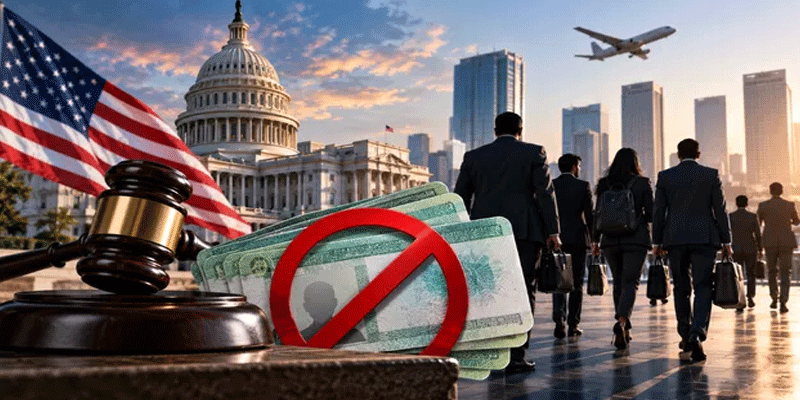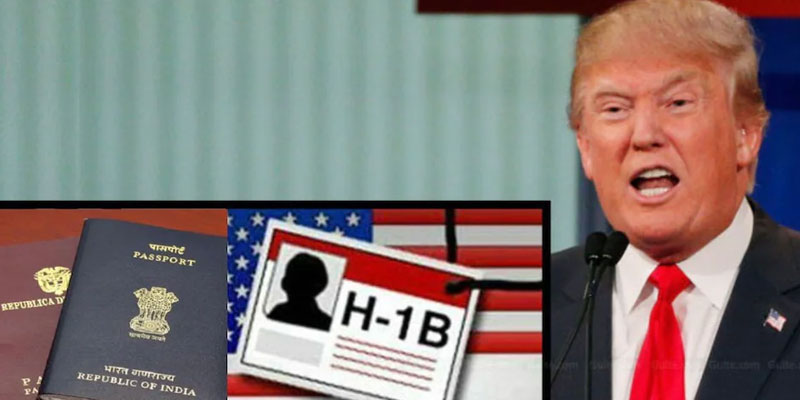
U.S. President Donald Trump has signed a proclamation imposing a $100,000 annual fee for H-1B visa applications, a move intended to ensure only "highly skilled" professionals enter the country and do not displace American workers. The fee, which applies to both new applications and renewals, is a substantial increase from previous costs and is expected to have a major impact on the technology sector.
Major tech companies, including Amazon, Microsoft, and Meta, which rely heavily on H-1B visas, will face significant new costs. The administration argues this will discourage the use of the visa for what it calls "trainee-level" positions and instead encourage companies to hire and train American workers. For Indian professionals, who have historically been the largest group of H-1B recipients, the fee creates a massive financial barrier, especially for those in long Green Card queues who will need to pay the fee repeatedly. Analysts suggest this could lead to a "reverse brain drain," with skilled Indian workers opting to stay in or return to India, which could bolster its own tech industry.
In addition to the H-1B fee, the Trump administration is also implementing a more rigorous citizenship test and launching a new "Gold Card" visa program. The Gold Card, with fees of $1 million for individuals and $2 million for corporations, is designed to attract "extraordinary people" who can contribute to the U.S. economy and create jobs. This initiative is framed as a way to generate billions in revenue for the U.S. Treasury while prioritizing wealthy applicants.
The H-1B visa fee and other immigration changes are likely to face legal challenges, as critics question the president's authority to impose such fees without congressional approval. The moves represent a dramatic shift in U.S. immigration policy, moving toward a system that places a high value on financial contributions and perceived skill, rather than simply filling job market needs.