Sheikh Hasina’s Return Plan Tests Bangladesh’s Political Transition
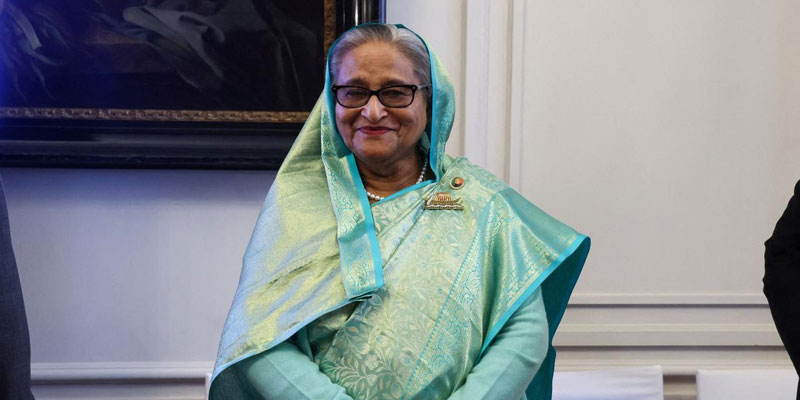
Former Bangladesh Prime Minister Sheikh Hasina has declared that she intends to return to Bangladesh in December despite the possibility of being arrested or even killed, framing her decision as a commitment to democracy and political accountability. Living in exile in India since her ouster following the 2024 mass uprising, Hasina has said she and leaders of the Awami League are prepared to surrender before the courts upon their return. Her announcement has added a dramatic new dimension to Bangladesh's already polarised political landscape, setting the stage for what could become one of the country's most consequential political moments in recent history.
From Political Dominance to Exile
Sheikh Hasina, Bangladesh's longest-serving Prime Minister, was removed from office after widespread anti-government protests culminated in a political upheaval in 2024. Since then, she has remained in India while Bangladesh's interim political leadership has sought to reshape the country's political and legal institutions.
Subsequently, a court in Dhaka sentenced Hasina to death in absentia in connection with cases filed after her removal from power. Hasina has rejected the verdict, describing it as unconstitutional, politically motivated and lacking legal legitimacy. Against this backdrop, her decision to return is far more than a personal choice—it represents a direct challenge to the political and judicial order established after her departure.
A Calculated Political Strategy
Hasina's proposed return appears carefully designed to transform political exile into an act of public defiance. By voluntarily returning despite serious legal risks, she seeks to portray herself as a leader willing to face the consequences of her convictions rather than remain outside the country indefinitely.
Her declaration that Awami League leaders would surrender before the courts reinforces this narrative of political discipline and institutional respect, even while questioning the legitimacy of the judicial process itself. Simultaneously, her demand for lifting the ban on the Awami League indicates that the objective extends beyond personal legal defence to restoring the party's political relevance.
The timing is equally significant. A December return would place Hasina at the centre of Bangladesh's political discourse, compelling the authorities to make a difficult choice between enforcing legal action against a former Prime Minister or permitting a highly symbolic political comeback.
Legal, Political and Security Challenges
The situation presents extraordinary legal and security complexities. A former national leader returning while facing a death sentence creates an unprecedented convergence of courtroom proceedings, political mobilisation and public security concerns.
If Hasina is arrested immediately upon arrival, the move could trigger protests by her supporters and intensify political unrest. Conversely, allowing her greater political freedom may invite criticism from opponents who view legal accountability as essential to Bangladesh's democratic transition.
Internationally, the government's handling of her return will be closely watched as an indicator of the country's commitment to due process, judicial independence and democratic norms. The episode could significantly influence Bangladesh's global political standing and diplomatic relationships.
A Defining Test for Bangladesh's Democracy
Sheikh Hasina's planned return has transformed an individual legal battle into a broader national debate over justice, political legitimacy and democratic transition. Beyond the fate of one political leader, the episode will test whether Bangladesh can reconcile accountability with democratic inclusiveness during a period of profound political change. The manner in which both the government and opposition navigate this moment may ultimately shape the country's political trajectory for years to come, determining whether reconciliation or deeper polarisation defines Bangladesh's evolving democratic landscape.
(With agency inputs)