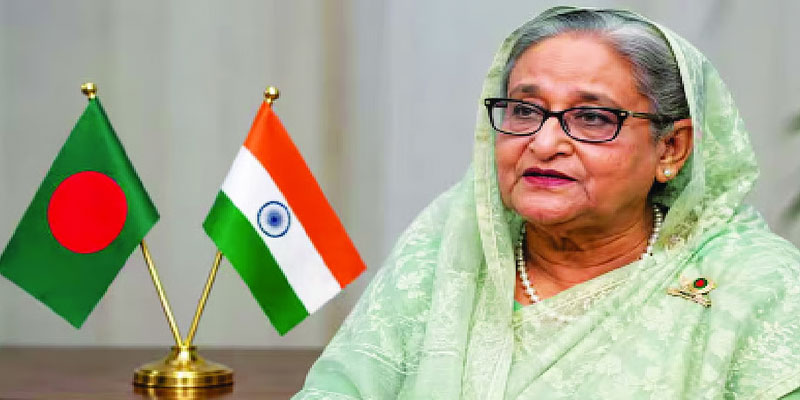
Former Bangladesh Prime Minister Sheikh Hasina's request for a new passport and national identity card has triggered fresh speculation about her possible return from India, where she has been living since August 2024. The application marks a significant development in her political and legal battle with Bangladesh's interim government, which has rejected her request and instead demanded that India extradite her. With Hasina indicating December as a possible return timeframe, the issue has developed into a sensitive diplomatic confrontation between New Delhi and Dhaka.
How Hasina Was Forced into Exile
Hasina fled Bangladesh on August 5, 2024, following a massive student-led uprising that brought an end to her Awami League government and more than 15 years of continuous rule. She subsequently took refuge in India as Bangladesh's interim administration, led by Muhammad Yunus, initiated legal proceedings against her over alleged crimes committed during the political unrest.
Hasina has denied wrongdoing and maintained her intention to return to Bangladesh. Meanwhile, Dhaka has pursued her extradition, making her future a significant issue in bilateral relations.
Fresh Passport and NID Application
On November 9, lawyers representing Hasina from London's Matrix Chambers wrote to Bangladesh's Acting High Commissioner in New Delhi, Preeti Rahman, requesting the issuance of a fresh Bangladeshi passport and National Identity Card (NID). According to the legal communication, her earlier documents had been revoked by the interim administration, leaving her without valid identification and travel documents.
The application is particularly significant because it represents her first formal communication of this nature since leaving Bangladesh. Her aides have indicated that a return date could be confirmed once the necessary formalities are completed.
Dhaka Rejects Request, Demands Extradition
Bangladesh's State Minister for Foreign Affairs, Humayun Kabir, dismissed the application, describing Hasina as a fugitive and rejecting the prospect of issuing fresh travel documents.
His principal arguments include:
· Hasina is facing serious legal proceedings and cannot be treated as an ordinary passport applicant.
· She does not require a new passport to return if India extradites her under the bilateral treaty.
· Dhaka considers the application political posturing rather than a genuine administrative request.
The response makes clear that Bangladesh wants her return through formal extradition proceedings rather than voluntary travel.
Why India Faces a Delicate Diplomatic Test
The controversy places India in a sensitive position. New Delhi must consider its bilateral extradition treaty obligations, applicable legal procedures and diplomatic relationship with Bangladesh.
The decision is particularly consequential because Hasina's presence in India has already become an important factor in relations between the two neighbours.
December Return: Political Homecoming or Legal Confrontation?
Hasina's passport application is more than a documentation issue; it represents an assertion of her continued Bangladeshi nationality and intention to return from exile. However, Dhaka's rejection has complicated that possibility, turning a potential homecoming into a diplomatic and legal contest. India's next move will be crucial in determining whether the matter progresses through passport procedures, extradition negotiations or further diplomatic consultations. Until a formal decision emerges, December remains a proposed return timeframe rather than a confirmed itinerary. Ultimately, the episode will test Bangladesh's political transition, India's diplomatic balancing act and the future of one of South Asia's most consequential political figures.
(With agency inputs)