Why Sheikh Hasina Has Chosen August 5 for Her First Public Appearance in Two Years
Former Bangladesh Prime Minister Sheikh Hasina has chosen August 5 for her first major public appearance in nearly two years—a date loaded with political and personal significance. The event, to be held under the banner of FCC South Asia in New Delhi, coincides with the second anniversary of the day she fled Dhaka following a mass student-led uprising that ended her nearly 16-year rule. By addressing the public on the very date that marked her political downfall, Hasina appears to be sending a calculated message: that her political journey is far from over and that exile does not signify the end of her ambitions.
From Longest-Serving Leader to Political Exile
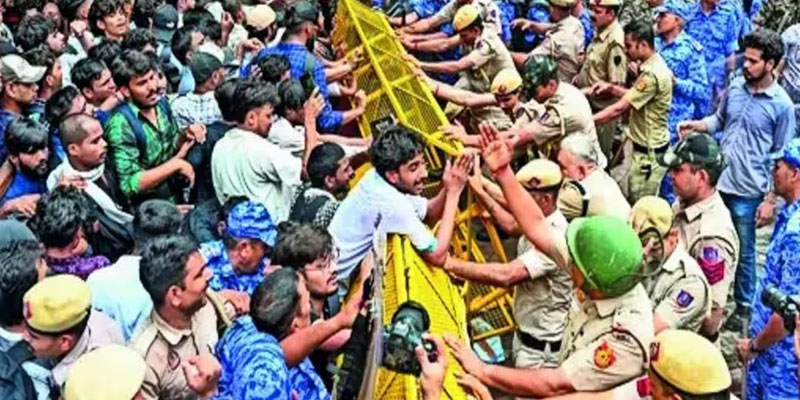
Sheikh Hasina's dramatic exit from Bangladesh on August 5, 2024, marked one of the most significant political turning points in the country's modern history. Widespread student protests, escalating public unrest and the rapid collapse of state authority forced her to leave Dhaka, bringing an end to nearly sixteen years of uninterrupted leadership.
Since arriving in India, Hasina has largely stayed away from public engagements, maintaining a low profile while Bangladesh underwent a major political transition. Her scheduled appearance on August 5 therefore represents her first significant public intervention since leaving office.
The programme will be hosted at the Sir Mark Tully Auditorium in New Delhi and streamed live through the FCC South Asia platform. According to reports, Hasina is expected to outline her political roadmap, comment on Bangladesh's evolving political landscape and discuss her stated intention of returning to Bangladesh around December 2026.
Why August 5 Is More Than Just an Anniversary
The choice of August 5 is widely seen as a carefully crafted political decision rather than a coincidence.
Anniversaries often carry symbolic weight in politics, allowing leaders to reshape public narratives around defining moments. By speaking on the anniversary of her departure, Hasina seeks to transform what many viewed as a political defeat into a demonstration of resilience and continuity.
The timing also allows her to reassure supporters that her political movement remains active despite her absence from Bangladesh. Instead of allowing the anniversary to remain solely associated with her ouster, she is attempting to redefine it as the beginning of a political comeback.
Regional Diplomacy Adds Another Dimension
Hasina's appearance also comes at an important diplomatic moment for South Asia.
India is preparing to host the BRICS Summit in September, where Bangladesh's current political leadership under Tarique Rahman has reportedly been invited as a special guest. The invitation reflects New Delhi's pragmatic engagement with Bangladesh's present government while simultaneously providing space for Hasina to maintain her own political relevance.
This parallel engagement suggests India is carefully balancing historical ties with Hasina and practical cooperation with the current leadership in Dhaka, highlighting the complexities of regional diplomacy.
Latest Developments Signal a Planned Political Re-Entry
According to the latest reports, Hasina will address the programme virtually from India while interacting with both a live audience and online viewers. Observers expect her speech to focus on her future political plans, Bangladesh's current situation and her proposed return to national politics.
Her remarks are likely to be closely watched not only in Bangladesh but also across South Asia, where political developments in Dhaka carry broader regional implications.
A Speech That Could Shape Bangladesh's Political Narrative
Sheikh Hasina's August 5 appearance is much more than a public address—it is a carefully timed political statement aimed at reclaiming relevance after two years in exile. Whether it marks the beginning of a meaningful political comeback or merely reinforces the realities of Bangladesh's changed political landscape will depend on the strength of her message, public response and developments inside the country. As Bangladesh continues to navigate a new political chapter, Hasina's symbolic return to the public stage ensures that the debate over her legacy and future role remains far from settled.
(With agency inputs)