A New Flashpoint in a Fragile Ceasefire
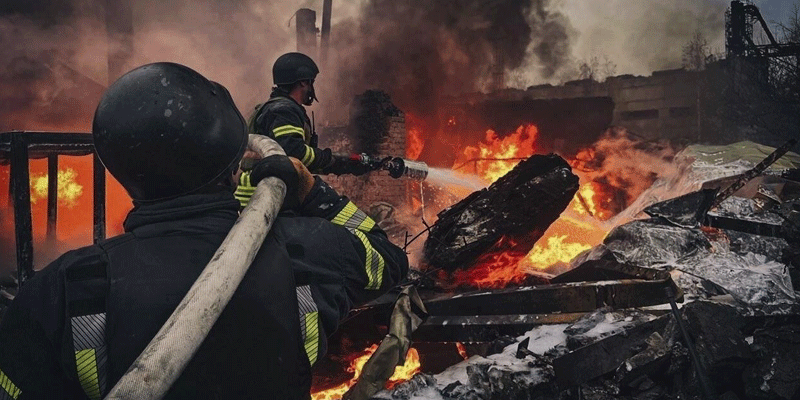
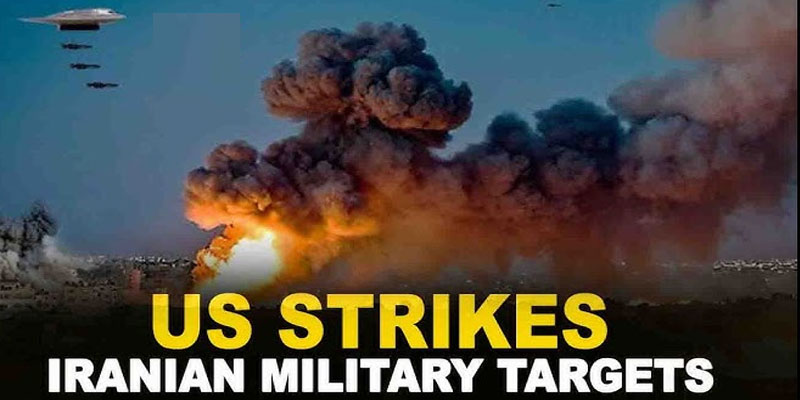
The United States has launched fresh strikes against Iranian radar and drone command-and-control facilities in Goruk and Qeshm Island, marking the most significant military escalation since the April ceasefire. According to the U.S. Central Command (CENTCOM), the weekend operation was carried out in response to Iran's reported shootdown of a U.S. MQ-1 drone operating over international waters. American fighter aircraft subsequently targeted Iranian air defenses, a drone control station, and attack drones that Washington said threatened maritime traffic in the region. No U.S. personnel were injured.
How the Conflict Reached This Point
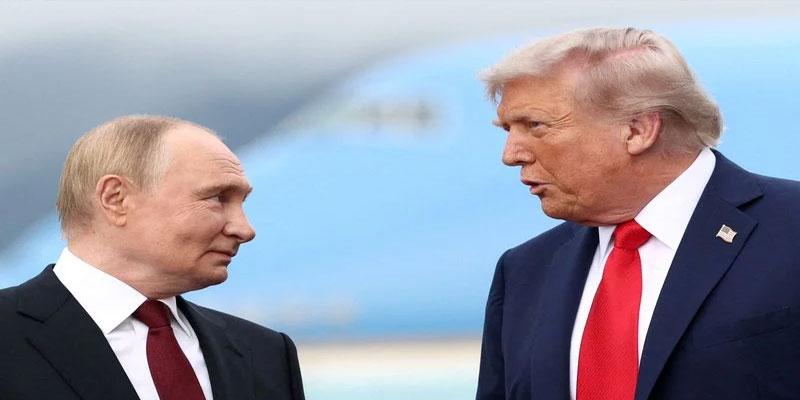
The current conflict began on February 28, 2026, when President Donald Trump, in coordination with Israel, launched major strikes against Iran following weeks of military build-up. While Israel targeted senior Iranian leaders, Trump intensified pressure on Tehran's ruling establishment. Iran retaliated with missile and drone attacks on U.S. bases across the Gulf and on Israel, rapidly widening the conflict. Tensions escalated further when Iran shut down the Strait of Hormuz—a critical route for nearly 20% of global oil and gas exports—triggering a surge in energy prices and raising concerns over global trade and economic stability.
Trump's Hardening Position
As negotiations continue, President Trump has adopted an uncompromising stance toward Tehran. His administration insists on the unrestricted reopening of the Strait of Hormuz, the dismantling of Iran's nuclear facilities, and permanent guarantees that Iran will never acquire nuclear weapons.
Iran's proposals—including sanctions relief, access to frozen assets, compensation for war-related damages, and security guarantees against future attacks—have been rejected by Washington. Trump's dismissal of Tehran's latest counter-offer as "totally unacceptable" underscores the widening gap between the two sides and the difficulty of achieving a negotiated settlement.
Latest Developments: Kuwait Drawn into the Crisis
Shortly after CENTCOM announced the strikes, Kuwait reported intercepting incoming missiles and drones, with air raid sirens sounding across the country. Kuwaiti authorities stated that all threats were successfully neutralized, though the incident highlighted the growing risk of regional spillover. Recent CENTCOM statements have also cited Iranian missile and drone activity directed toward Kuwait and the Strait of Hormuz area.
Iran has condemned the latest U.S. action as evidence of "bad faith" during ceasefire discussions, raising concerns that the truce established in early April may be nearing a breaking point.
Escalation Threatens Wider Regional Fallout
The strikes on Goruk and Qeshm Island reveal how fragile the current ceasefire has become. While Washington portrays the operation as a limited act of self-defense, Tehran sees it as another breach of trust during sensitive negotiations. With the Strait of Hormuz still central to the dispute, Trump's demands growing tougher, and Gulf states increasingly exposed to cross-border attacks, the conflict appears to be entering a dangerous new phase. Unless meaningful diplomatic progress is achieved soon, the risk of a broader regional confrontation will continue to rise, carrying serious consequences for Middle Eastern stability and the global economy.
(With agency inputs)