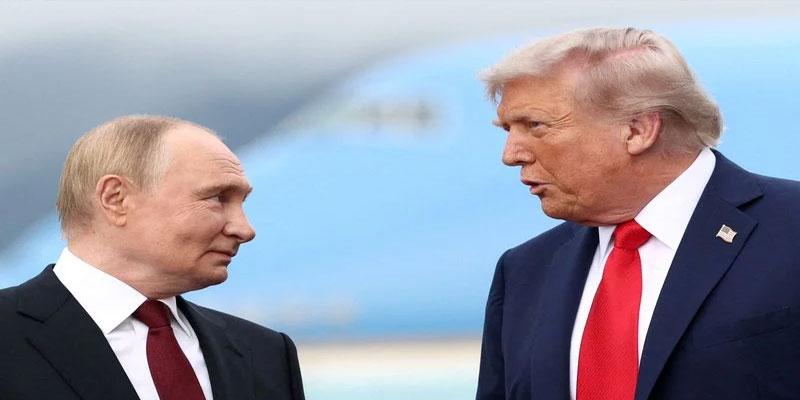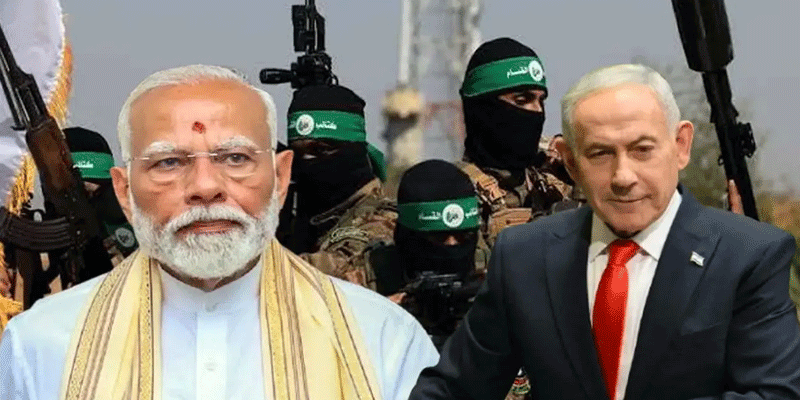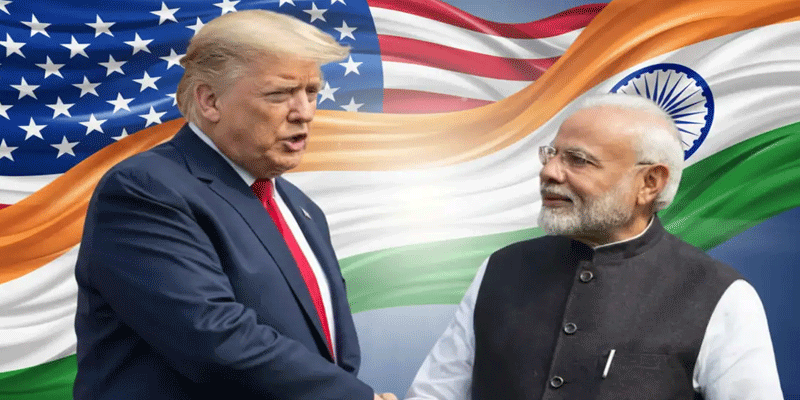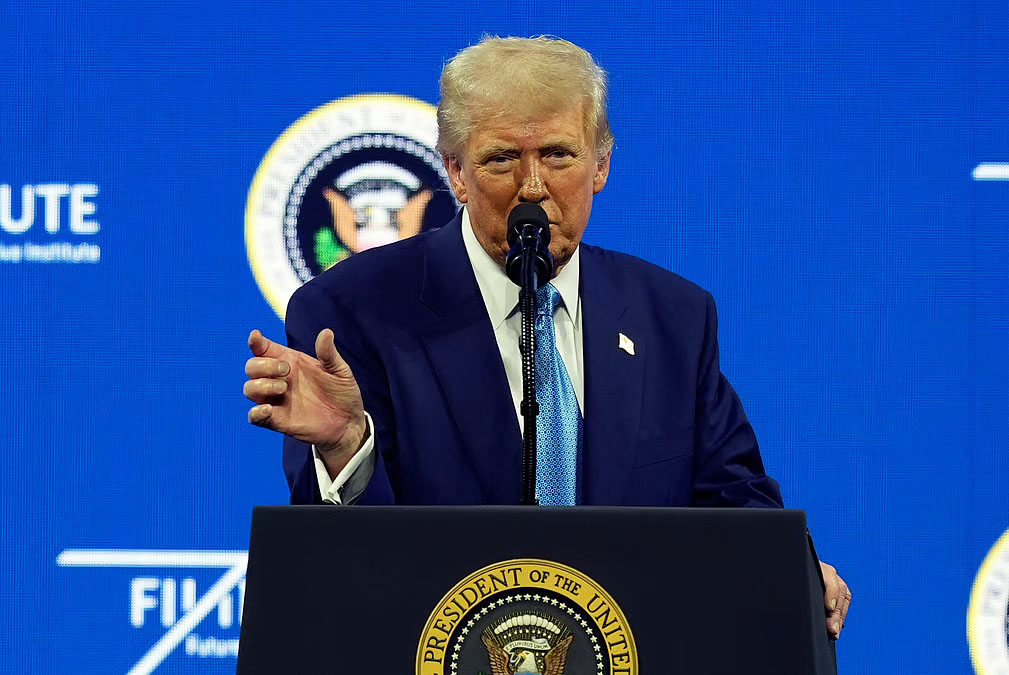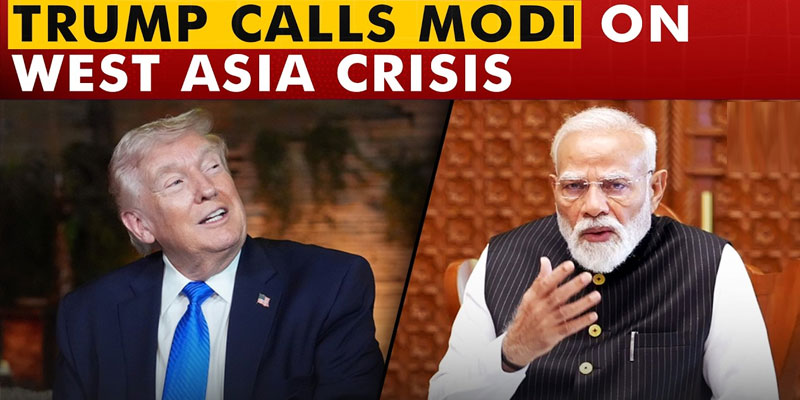
Prime Minister Narendra Modi and US President Donald Trump held a 40-minute phone conversation to discuss the escalating situation in West Asia, particularly the blockade of the Strait of Hormuz. The call, their first since a fragile US-Iran ceasefire, reflects growing global concern over energy security and maritime stability. With tensions still simmering, both leaders emphasized the importance of keeping critical trade routes open.
Understanding the 2026 US-Iran Crisis
The current crisis traces back to February 28, 2026, when coordinated US-Israel airstrikes targeted key Iranian military sites and reportedly led to the assassination of Iran’s Supreme Leader Ali Khamenei. The strikes triggered a sharp escalation, pushing the region into a broader conflict.
Iran retaliated by mining and effectively blockading the Strait of Hormuz—a vital global chokepoint that carries nearly a quarter of the world’s seaborne oil and a significant share of liquefied natural gas (LNG). This disruption sent global energy markets into turmoil, with oil prices surging and shipping routes facing uncertainty.
A temporary ceasefire was reached on April 8 after intensive US naval operations cleared parts of the waterway. However, diplomatic efforts in Islamabad soon collapsed, leading to renewed tensions and a US naval blockade targeting Iranian ports.
Key Takeaways from the Modi–Trump Conversation
During the April 13–14 call, President Trump briefed Prime Minister Modi on the evolving situation, particularly the security of maritime routes in the Strait of Hormuz. The discussion highlighted the shared concern over uninterrupted global trade, especially for energy-importing nations like India, which relies on imports for a majority of its oil needs.
US Ambassador to India Sergio Gor described the exchange as highly positive, pointing to strong personal rapport between the two leaders. The conversation also touched on upcoming energy agreements, including expanded US oil and LNG exports to India, which could help mitigate supply disruptions caused by the crisis.
For India, the stakes are particularly high. Any prolonged instability in the Gulf region could significantly impact energy prices, shipping costs, and domestic economic stability. The call reaffirmed India-US cooperation across energy, defense, and broader Indo-Pacific strategy frameworks.
Parallel Diplomacy: Israel–Lebanon Talks
Amid the wider regional tensions, a parallel diplomatic breakthrough emerged as Israel and Lebanon initiated direct talks in Washington for the first time in decades. Mediated by US Secretary of State Marco Rubio, the discussions aim to address the ongoing conflict involving Hezbollah.
Representatives including Israeli Ambassador Yechiel Leiter and Lebanese Ambassador Nada Hamadeh Moawad participated in the talks, which are focused on reducing hostilities and limiting militant influence. Early signals suggest a constructive dialogue, raising cautious optimism about de-escalation in another volatile front of the region.
Strategic Implications for India and the World
The Hormuz blockade has far-reaching implications. For Iran, it serves as economic leverage during a fragile ceasefire. For the United States, it is both a strategic and military challenge requiring sustained naval presence.
For India, the crisis underscores vulnerabilities in energy dependence while also opening avenues for deeper engagement with the US in oil and LNG supply. At the same time, diplomatic developments such as the Israel–Lebanon talks could contribute to broader regional stability, indirectly easing pressure on key shipping lanes.
Global markets remain on edge, closely tracking both military developments and diplomatic efforts that could influence oil prices and economic stability worldwide.
Navigating Crisis Through Strategic Dialogue
The Modi–Trump conversation highlights the importance of high-level diplomatic coordination in times of global uncertainty. As tensions in West Asia continue to evolve, the focus remains on ensuring stability in critical trade routes and preventing further escalation.
For India, balancing energy security with strategic partnerships will be key. The coming weeks will determine whether diplomacy can outpace conflict, but for now, sustained dialogue and coordinated action remain the most viable path toward stability in an increasingly fragile region.
(With agency inputs)